Virtual Drifting: A Thrilling Experience
Virtual drifting is, in short, a digital simulation of the high-skill, car-control sport of drifting. It’s about sliding a car through a turn, maintaining control, and balanc…
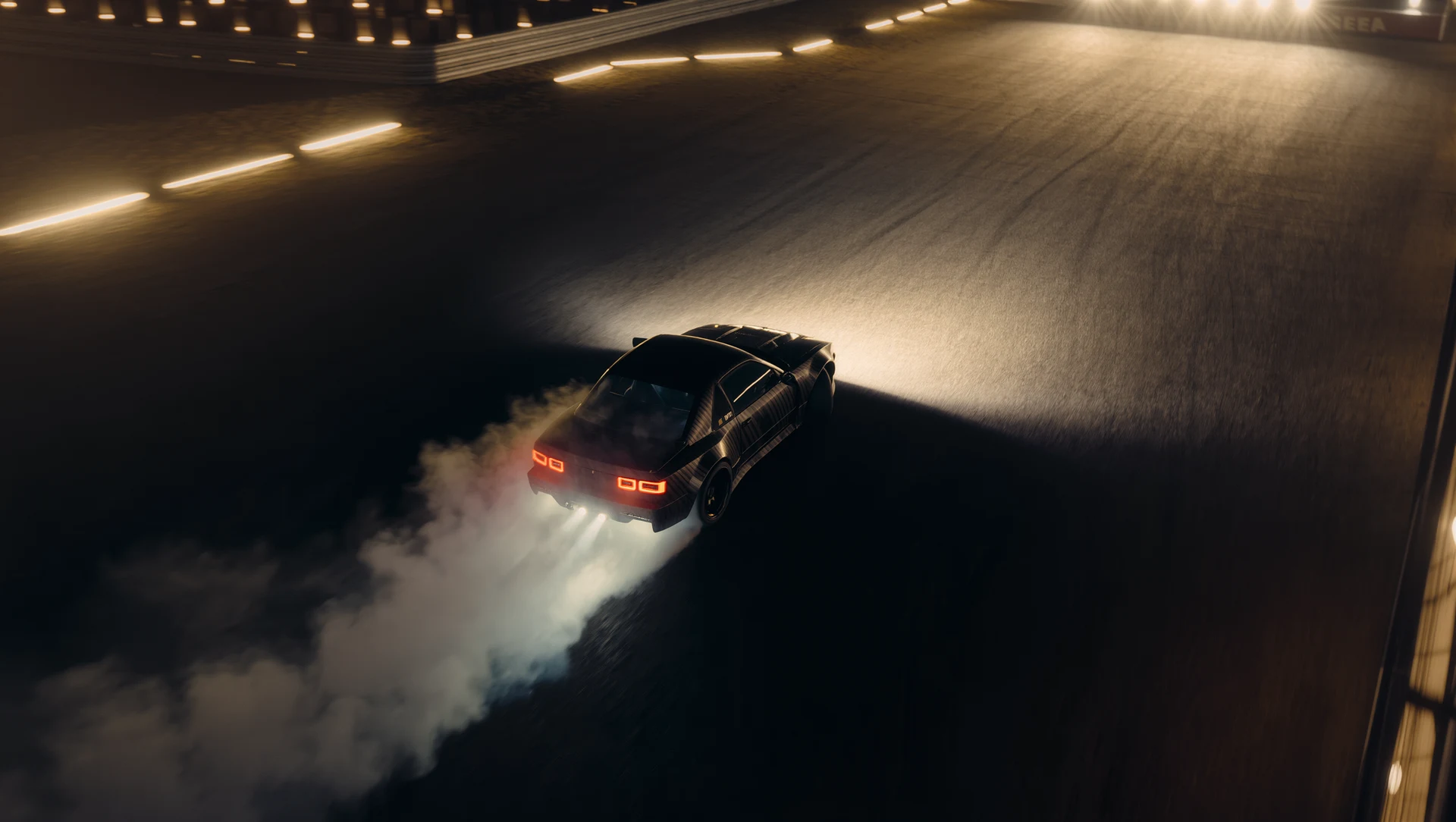
Virtual drifting is, in short, a digital simulation of the high-skill, car-control sport of drifting. It’s about sliding a car through a turn, maintaining control, and balancing throttle and steering inputs to keep the rear wheels spinning and generating smoke (or its digital equivalent). Beyond the raw physics, it’s a deeply engaging and often challenging virtual experience that lets you push the boundaries of car control without the real-world consequences or expense.
There’s something inherently thrilling about a car moving sideways, especially when it’s being done intentionally and with precision. Drifting, whether in real life or virtually, taps into a primal sense of control and a desire to defy conventional grip. The visual spectacle of smoke billowing from tires, the sound of an engine revving near redline, and the sensation of being on the edge of adhesion are all part of its undeniable appeal. In the virtual world, this translates to a captivating gameplay loop that rewards skill, practice, and a keen understanding of car dynamics.
Why Drift Virtually?
The reasons people gravitate towards virtual drifting are many and varied. For starters, it’s significantly more accessible than real-world drifting. You don’t need a specialized car, a track, or even a driver’s license. The cost barrier is almost non-existent compared to actual motorsport. It’s also a fantastic training ground; many professional drifters actually hone their skills and learn new lines in simulators before taking them to the track. Beyond that, it’s simply a lot of fun. The satisfaction of linking turns perfectly and maintaining a smooth, controlled slide is immensely rewarding.
The Learning Curve
It’s important to be upfront: virtual drifting isn’t easy. It requires a significant amount of practice, patience, and a willingness to fail repeatedly before you start to see consistent results. Unlike racing, where the fastest line is often the most direct, drifting demands a more nuanced approach. You’re intentionally breaking traction, then fighting to maintain that broken traction in a controlled manner. This means developing a strong sense of car control, understanding weight transfer, and learning to react quickly to the car’s movements. Many beginners get frustrated early on, but persistence is key.
Gearing Up for the Slide
To truly experience virtual drifting, you’ll want to invest in the right equipment. While you can certainly start with a basic gamepad, it’s only when you graduate to a proper setup that the experience truly comes alive.
The Essential Hardware
At the heart of any good virtual drifting setup is a force-feedback steering wheel and pedals. This isn’t just about immersion; it’s about crucial feedback. The force feedback tells you when the tires are losing grip, when the car is about to spin, and how much counter-steer you need to apply. Without it, you’re essentially driving blind. A good set of pedals, especially those with some resistance on the brake, also helps with modulation and trail-braking, both vital for initiating and maintaining drifts.
Beyond the Basics: Handbrakes and Shifters
While not strictly necessary to start, a dedicated USB handbrake and a sequential or H-pattern shifter can dramatically enhance the drifting experience. A handbrake allows for quick, precise initiation of drifts and mid-drift adjustments, mimicking real-world techniques. A shifter, especially if you’re driving a manual car in-game, adds another layer of realism and control, forcing you to manage revs and gear selection under pressure. Many enthusiasts also use triple monitors or even VR headsets for an even more immersive field of view.
PC vs. Console
Both PCs and modern consoles offer excellent virtual drifting experiences. PCs generally provide the most flexibility in terms of game choice, modding capabilities (which is huge for drifting communities), and hardware options. You can often run games at higher frame rates and resolutions on a PC, leading to a smoother and more detailed experience. Consoles, on the other hand, offer a more plug-and-play experience and are often more budget-friendly. The key is to choose a platform that gives you access to the games and community you’re interested in.
The Digital Garages: Best Games for Drifting
Not all racing games are created equal when it comes to drifting. Some offer incredibly realistic physics and a deep commitment to the discipline, while others treat it as a casual afterthought.
Simulators Leading the Pack
For truly authentic virtual drifting, you’ll want to look towards dedicated simulators. Titles like Assetto Corsa (and its numerous mods) and Forza Motorsport (particularly the later iterations) are often cited as benchmarks. These games employ sophisticated physics engines that accurately model tire grip, weight transfer, and suspension dynamics, leading to a challenging yet rewarding drifting experience. The modding community for Assetto Corsa, in particular, has created an incredible array of cars, tracks, and physics tweaks specifically for drifting, making it a perennial favorite.
Arcade Fun with a Drifting Focus
If you’re looking for something a bit more approachable, or enjoy a slightly more forgiving physics model, there are excellent options too. Games like Forza Horizon offer a fantastic open-world environment to practice and master drifting, often with dedicated drift zones and events. While the physics are less hardcore than a simulator, they are still engaging and allow for some spectacular slides. CarX Drift Racing Online is another popular choice, built from the ground up with drifting in mind, offering a good balance of realism and accessibility, along with strong online multiplayer features.
Understanding Car Setup
In most serious drifting games, car setup plays a crucial role. It’s not just about horsepower; it’s about tuning the suspension, differential, tire pressure, camber, caster, and toe to optimize the car’s behavior for drifting. A good drift setup will make a car easier to initiate a slide, more predictable mid-drift, and easier to transition between turns. This often involves lowering the suspension, increasing steering angle, and adjusting differential lock. Many online communities share setup guides, and experimenting is a huge part of the learning process.
Mastering the Slide: Techniques and Drills
Drifting isn’t just about mashing the throttle and turning the wheel. It involves a series of coordinated inputs and a deep understanding of car behavior.
Initiation Techniques
There are several ways to initiate a drift, each with its own nuances:
- Clutch Kick: Perhaps the most aggressive method. You rev the engine, depress the clutch, floor the throttle, and then quickly release the clutch. This dumps a sudden surge of power to the rear wheels, breaking traction.
- Feint Drift (or Scandinavian Flick): A classic rally technique. You turn sharply in the opposite direction of the corner, then quickly flick the car back into the corner. The weight transfer to the outside wheels unloads the inside rear, initiating the slide.
- Handbrake Drift: Pulling the handbrake briefly locks the rear wheels, causing them to lose traction and initiating a slide. This is often used for tight corners or quick angle adjustments.
- Power Over: Simply applying enough throttle in a powerful rear-wheel-drive car to overcome tire grip and initiate a slide. This requires careful throttle control.
Sustaining and Controlling the Drift
Once initiated, the real challenge begins: sustaining and controlling the drift. This is where the magic of “counter-steer” comes in. As the rear of the car slides, you’ll need to turn the steering wheel in the opposite direction of the slide (towards the upcoming direction of travel) to maintain control. This is a delicate balance of steering input, throttle modulation (too much and you spin, too little and you regain grip), and sometimes clutch kicks or brake taps to adjust the angle and speed.
Linking Corners and Transitions
True mastery lies in linking multiple corners into a continuous, flowing drift. This requires foresight, planning, and smooth transitions. As you exit one drift, you’re already setting up for the next, using the momentum and angle of the car to initiate the subsequent slide. This is where virtual drifting truly becomes an art form, as you weave through a track, seemingly defying physics with effortless grace.
The Community and Competition
Virtual drifting is more than just a solitary pursuit; it’s a vibrant and welcoming community.
Online Servers and Events
Many games host dedicated drift servers where players can meet up, practice together, and engage in tandem drifting. Tandem drifting, where two or more cars drift in close proximity, mirroring each other’s lines, is a high-skill, high-reward activity that fosters camaraderie and friendly competition. These servers often have specific rules regarding car choice, track selection, and judging criteria, mimicking real-world drift competitions.
Learning from the Best
Platforms like YouTube and Twitch are goldmines for virtual drifting content. You can find countless tutorials, gameplay videos from highly skilled drivers, and live streams of virtual drift events. Watching experienced drivers can provide invaluable insights into lines, initiation techniques, and car control. Many top virtual drifters freely share their knowledge and even car setups, making it easier for newcomers to get started.
Virtual Competitions
Just like in real life, virtual drifting has its own competitive scene. These range from informal online leaderboards to structured leagues and tournaments. Competitions often involve a judging system that evaluates factors like drift angle, line adherence, style, and proximity in tandem runs. Participating in these can be a great way to push your skills, meet other passionate drifters, and experience the thrill of competition without the enormous financial outlay of real-world motorsports. The sense of achievement from winning or even just performing well in a virtual drift competition can be incredibly satisfying.
Ultimately, virtual drifting offers an exhilarating and deeply rewarding experience. It takes patience and dedication, but the satisfaction of sliding a car with precision and flair, all from the comfort of your own home, is a unique thrill that keeps enthusiasts coming back for more. It’s a fantastic way to explore the limits of car control and immerse yourself in a truly dynamic virtual sport.
FAQs
What is a virtual drifting experience?
A virtual drifting experience is a simulation of the sport of drifting using virtual reality technology. Participants can use VR headsets and motion simulators to experience the thrill of drifting in a realistic and immersive virtual environment.How does a virtual drifting experience work?
Participants wear VR headsets and sit in motion simulators that mimic the movements of a real car. They can then use a steering wheel and pedals to control the virtual car as they drift around tracks and courses.What are the benefits of a virtual drifting experience?
Virtual drifting experiences allow participants to safely and affordably experience the thrill of drifting without the risks associated with real-life racing. It also provides an opportunity for individuals to practice and improve their drifting skills in a controlled environment.Where can I find a virtual drifting experience?
Virtual drifting experiences can be found at VR arcades, gaming centers, and specialized racing simulation facilities. Some companies also offer virtual drifting experiences for home use with the purchase of VR equipment and motion simulators.Is a virtual drifting experience suitable for beginners?
Yes, virtual drifting experiences can be suitable for beginners as they provide a safe and controlled environment for individuals to learn and practice drifting techniques. Participants can start with basic levels and gradually progress to more challenging courses as they improve their skills.More from Drifting

Mastering Drifts: Professional Simulator Experience
So, you want to get good at drifting in a simulator, huh? The short answer is: it takes a lot of practice, the right equipment, and a solid understand…
Mastering the Art of Sim Racing Drifting
Let’s dive into the world of sim racing drifting. If you’re wondering how to actually drift in a simulator, it boils down to a controlled …

Ultimate Sim Drift Wheel Settings for Maximum Control
Let’s dive into getting your sim drift wheel feeling just right for maximum control. The truth is, there’s no single “ultimate…