Mastering the Art of Sim Racing Drifting
Let’s dive into the world of sim racing drifting. If you’re wondering how to actually drift in a simulator, it boils down to a controlled loss of traction, using steeri…
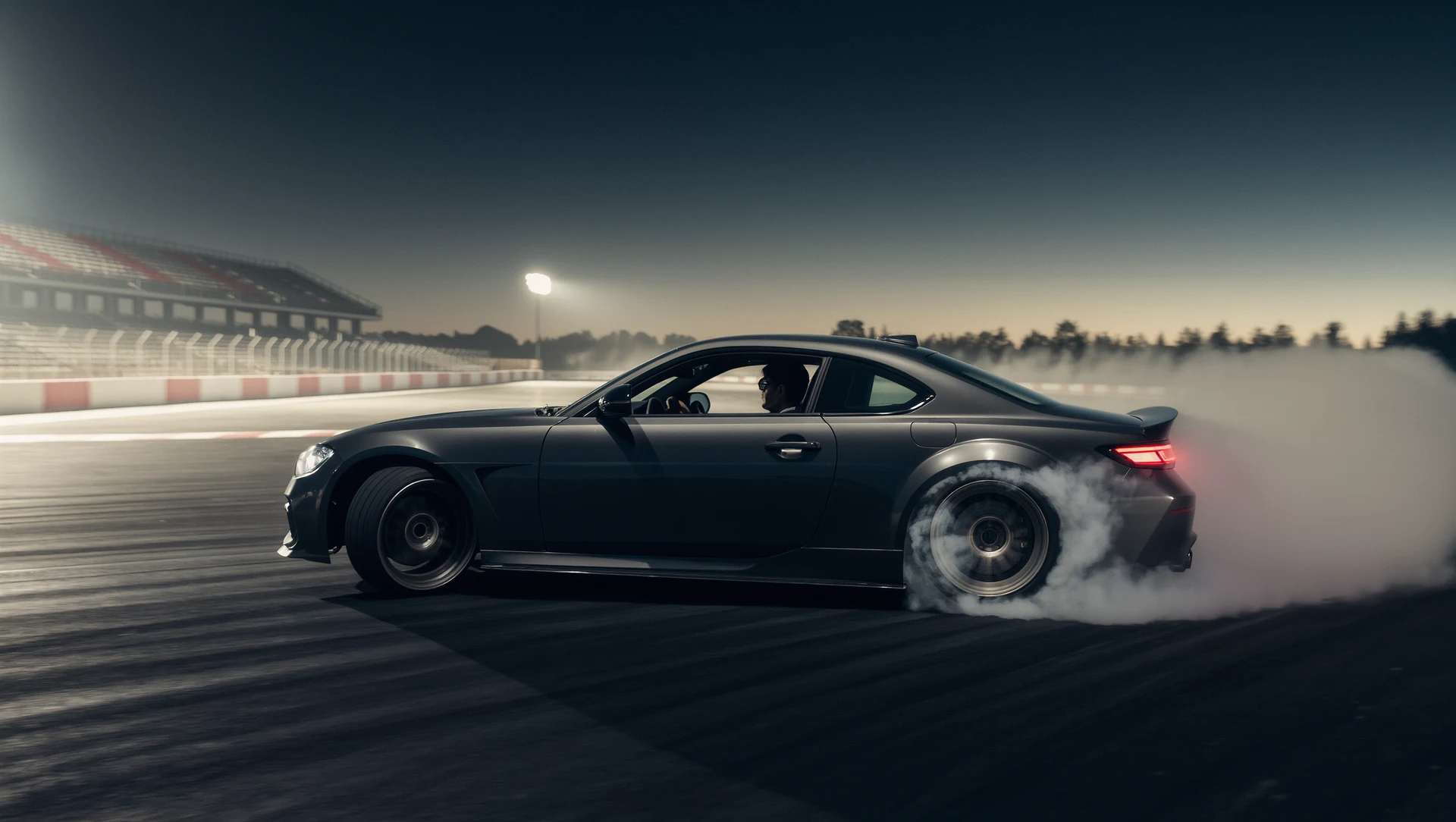
Let’s dive into the world of sim racing drifting. If you’re wondering how to actually drift in a simulator, it boils down to a controlled loss of traction, using steering, throttle, and sometimes the handbrake, to maintain an angle through a corner. It’s not about speed as much as it is about balance and car control.
Drifting in sim racing isn’t just about spinning out. It’s a calculated maneuver where you intentionally oversteer, allowing the rear wheels to lose traction, and then counter-steer and modulate the throttle to keep the car sliding sideways. Imagine drawing an arc with the car’s side, rather than its front. It’s a dance between grip and slip, a delicate balance that, once mastered, is incredibly rewarding. Unlike real-world drifting, where tire wear and component stress are major concerns, sim racing allows for endless practice without the financial repercussions, making it the perfect playground for honing this skill.
The Core Mechanics: Throttle, Steering, and Weight Transfer
At the heart of every drift is the interplay of three key elements: throttle, steering, and weight transfer.
Throttle Control
This is your most important tool. It dictates the amount of power going to the rear wheels, which directly impacts their traction. Too much throttle can lead to spinning out, while too little will make you regain grip and straighten up. You’ll be constantly feathering the throttle, finding that sweet spot where the tires are spinning just enough to maintain the slide. It’s not an on/off switch; think of it as a dimmer dial.
Steering Input
Steering is used to initiate the drift and then to counter-steer, which means turning the wheels in the opposite direction of the slide. If your car is sliding right, you’ll steer left. This helps prevent a full spin and keeps the car moving in the desired direction. The amount of counter-steer needed will vary depending on the car, the speed, and the angle of the slide. It’s a reactive process, constantly adjusting to the car’s behavior.
Weight Transfer
This is often overlooked but crucial. Shifting the car’s weight forward or backward, or from side to side, influences the grip levels of the tires. For instance, braking hard before a corner will transfer weight to the front, making the rear lighter and more prone to losing traction. Conversely, accelerating will push weight to the rear, increasing rear grip. Understanding how to use weight transfer can help you initiate and sustain a drift more smoothly.
Setting Up Your Rig for Drifting Success
While you can technically drift with any wheel and pedal setup, optimizing your rig will significantly improve your experience and make learning easier. You don’t need a million-dollar setup, but a few key components make a big difference.
Force Feedback Settings: Feeling the Slide
Good force feedback (FFB) is non-negotiable for drifting. It tells you what the car’s tires are doing, when they’re losing traction, when they’re regaining it, and how much grip you have. Set your FFB strong enough to feel these subtle cues, but not so strong that it becomes tiring or distorts the feedback. Experiment with settings like gain, dampening, and spring. You want to feel the lightness of the steering wheel as the tires lose grip and the resistance as they fight to regain it.
Steering Wheel and Pedal Choices: Precision and Control
A wheel with at least 900 degrees of rotation is ideal. While you won’t be using the full range often, it allows for more precise control during counter-steering. A direct drive wheel offers the most faithful FFB, but a good belt-driven wheel is perfectly capable. For pedals, a load cell brake is a massive upgrade for general sim racing, but for drifting, responsive throttle input is paramount. Pedals that allow for fine modulation are key to maintaining that delicate balance.
Handbrake: An Essential Tool
While not strictly necessary for every drift, a dedicated handbrake (either a button or a physical lever) makes initiating certain types of drifts (like clutch kicks or feint entries) much easier and more realistic. Many affordable USB handbrakes are available and are a worthwhile investment for serious drifters. Even a sequential shifter can be repurposed as a handbrake in a pinch.
Car and Track Selection: Choosing Your Playground
Not all cars and tracks are created equal when it comes to drifting. Picking the right ones can significantly impact your learning curve and enjoyment.
Ideal Drift Cars: Power, Balance, and Forgiveness
Look for cars that are rear-wheel drive (RWD) and have enough power to break traction easily, but not so much that they become uncontrollable. Front-engine, rear-wheel drive (FR) cars are generally preferred due to their predictable weight distribution. Think Nissan Silvias, Mazda RX-7s, BMW M3s, or the iconic Toyota AE86. Some simulators even offer dedicated drift versions of these cars with modified suspension and engine setups. Start with something relatively forgiving before moving on to high-horsepower monsters.
Choosing the Right Tracks: Space and Flow
Begin on wide, open tracks or drift-specific maps with plenty of run-off area. This reduces the pressure and allows you to practice without constantly restarting after hitting a wall. Drift tracks often feature wider corners and connecting sections designed to maintain a continuous slide. Avoid extremely tight or technical circuits initially, as they demand a higher level of precision. Good examples include Ebisu Minami (in simulators that feature it), or custom drift playground maps.
Mastering the Drifting Techniques
Once you have your setup and car sorted, it’s time to learn the actual techniques for initiating and sustaining a drift.
The Power Over: Simple and Effective
This is one of the most straightforward ways to initiate a drift. As you approach a corner, turn into the corner slightly and then give a sudden, aggressive burst of throttle. This will break the rear tires loose. As the rear end steps out, immediately counter-steer and modulate the throttle to maintain the slide. This technique is easier with higher-powered cars.
The Handbrake Entry: Precision and Angle
The handbrake entry is used to initiate a drift at lower speeds or to achieve a more aggressive angle quickly. Turn into the corner, apply the handbrake briefly (usually for less than a second), and when the rear tires lose traction, release the handbrake, counter-steer, and apply throttle to continue the drift. Timing is key here, too long on the handbrake will spin you out.
The Clutch Kick: Aggression and Control
A clutch kick involves dipping the clutch, revving the engine, and then quickly releasing the clutch. This sudden surge of power to the rear wheels overwhelms their grip, initiating a drift. It’s an aggressive technique that provides instant wheel spin and is often used to extend a drift or adjust the angle mid-slide. It requires precise timing and coordination between your left foot on the clutch and your right foot on the throttle.
The Feint Drift (or Scandinavian Flick): Weight Transfer Mastery
This technique uses weight transfer to break traction. As you approach a corner, briefly turn away from the corner (flick the wheel), then quickly turn into the corner. This throws the car’s weight to the outside, unweighting the inner rear tire and causing it to lose traction. As the rear slides, counter-steer and apply throttle. This is a more advanced technique that requires a good understanding of car dynamics.
Sustaining the Slide: Throttle and Counter-Steer Dance
Once you’ve initiated the drift, the real art begins. It’s a continuous dance between throttle and counter-steer.
Throttle Modulation
Your right foot will be constantly active, feathering the throttle to maintain your desired slide angle and speed. More throttle widens the angle and accelerates the slide; less throttle reduces the angle and allows the tires to regain grip. It’s about finding that sweet spot where the tires are spinning just enough to stay sideways without completely spinning out.
Counter-Steering
Your hands will be busy too. As the car slides, you’ll be constantly adjusting the steering wheel in the opposite direction of the slide. This prevents the car from spinning. The amount of counter-steer needed will change rapidly depending on the car’s angle, speed, and the track surface. It’s a fluid, almost intuitive process that develops with practice.
Practicing and Refining Your Drifting Skills
Consistency and repetition are your best friends in the journey to becoming a skilled sim drift driver. There are no shortcuts, just focused practice.
Start Slow and Build Up: Don’t Rush It
Don’t jump straight into high-speed, aggressive drifts. Begin by practicing power-overs in a wide-open area. Focus on getting the car sideways and then straightening it out. Once you’re comfortable with that, try to maintain a short slide, then gradually increase the duration and angle. It’s about building muscle memory and understanding the car’s reaction to your inputs.
Lap Times vs. Style Points: It’s a Different Goal
Forget about lap times when drifting. Your goal is to maximize your angle, maintain a smooth slide, and link corners together. Focus on consistency, car control, and the “feel” of the drift. Many simulators have scoring systems for drifting that reward angle, speed, and proximity to walls or clipping points.
The Importance of Repetition and Consistency: Muscle Memory
Drifting is largely about muscle memory and instinct. The more you practice, the less you’ll have to consciously think about each input. Find a single corner or a short section of track and practice initiating and sustaining a drift through it, over and over again. Pay attention to how small changes in your throttle or steering inputs affect the car’s behavior.
Watching Replays and Learning From Others: Analyze and Adapt
Review your replays. Where did you lose the drift? Was your throttle too aggressive or not enough? Was your counter-steer too slow or too much? Watching skilled drifters (both real-world and sim) can also provide valuable insights. Observe their lines, their hand movements, and their throttle control. Try to emulate their techniques and adapt them to your own style and car. Don’t be afraid to experiment, as every car and simulator can behave slightly differently.
Ultimately, mastering sim drifting is a journey of continuous learning and refinement. It takes patience, persistence, and a willingness to embrace failure as a stepping stone to success. Enjoy the process of learning this challenging, yet incredibly satisfying, art form.
FAQs
What is sim racing drifting?
Sim racing drifting is a form of virtual motorsport where players use racing simulators to simulate the experience of drifting. Players use specialized racing simulators and steering wheel controllers to perform controlled slides and drifts around corners on virtual tracks.What equipment is needed for sim racing drifting?
To participate in sim racing drifting, players need a racing simulator setup that includes a gaming PC or console, a racing simulator seat, a steering wheel controller, and pedals. Additionally, some players may use a manual shifter and a handbrake for more realistic drifting experiences.What are some popular racing simulators for drifting?
Popular racing simulators for drifting include titles such as Assetto Corsa, Project Cars 2, rFactor 2, and iRacing. These simulators offer realistic physics and handling models that allow players to practice and compete in drifting events.Are there online drifting communities for sim racing enthusiasts?
Yes, there are online communities and forums dedicated to sim racing drifting where players can share tips, techniques, and setups, as well as participate in organized drifting events and competitions. These communities provide a platform for sim racing enthusiasts to connect and engage with like-minded individuals.Can sim racing drifting skills translate to real-life drifting?
While sim racing drifting can help players develop and refine their drifting skills, there are differences between virtual and real-life drifting. However, the practice and experience gained from sim racing drifting can still be beneficial for understanding the fundamentals of drifting and car control, which can potentially translate to real-life drifting skills.More from Drifting
Virtual Drifting: A Thrilling Experience
Virtual drifting is, in short, a digital simulation of the high-skill, car-control sport of drifting. It’s about sliding a car through a turn, m…
Mastering Drifts: Professional Simulator Experience
So, you want to get good at drifting in a simulator, huh? The short answer is: it takes a lot of practice, the right equipment, and a solid understand…
Ultimate Sim Drift Wheel Settings for Maximum Control
Let’s dive into getting your sim drift wheel feeling just right for maximum control. The truth is, there’s no single “ultimate…