Maximizing Efficiency with Aluminum Profile Rigs
Here’s an article about maximizing efficiency with aluminum profile rigs. Getting More Done with Aluminum Profile Rigs If you’re looking to boost your productivity and …
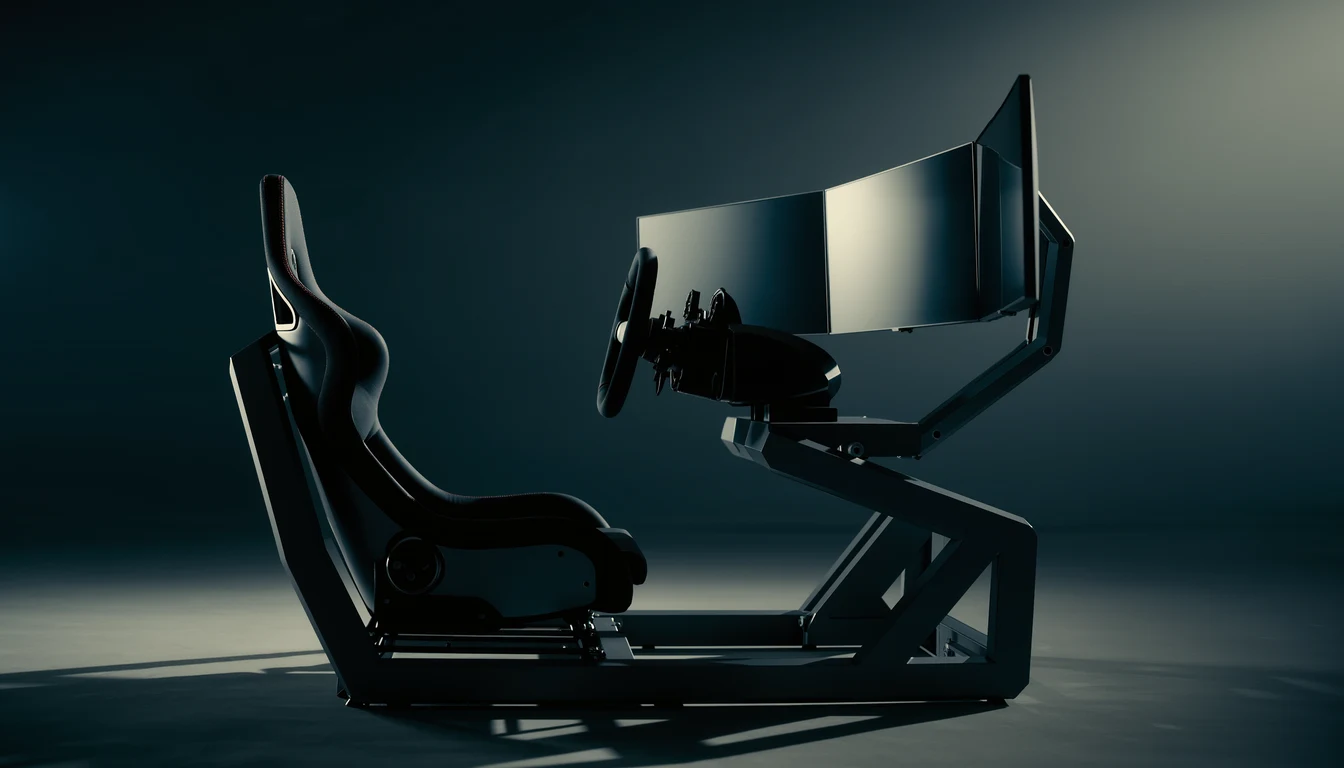
Here’s an article about maximizing efficiency with aluminum profile rigs.
Getting More Done with Aluminum Profile Rigs
If you’re looking to boost your productivity and streamline your workspace, aluminum profile rigs are a fantastic option. They’re not just about looks; these versatile structures can significantly improve how you work by offering customizable, sturdy, and adaptable solutions for a wide range of needs.
Aluminum profile rigs, also known as extrusion systems, use modular aluminum profiles that slot together to create custom frames. Think of them like advanced Meccano or LEGO for adults, but designed to hold serious weight and purpose. From workstations and machine enclosures to DIY project frames and even elaborate display stands, their flexibility is their superpower.
The real magic lies in how you can tailor them exactly to your needs. Instead of adapting to a pre-made solution, you build the solution that fits you. This means less wasted space, better ergonomics, and ultimately, a more efficient way of operating, whether that’s in a workshop, an office, or a creative studio.
Let’s dive into how you can truly make the most of these systems.
Before we get into the nitty-gritty of maximizing efficiency, it’s helpful to understand why aluminum profiles are such a good starting point. They aren’t just a trend; they offer tangible advantages that translate directly into better workflows.
Modularity and Adaptability: The Core Advantage
The most significant benefit of aluminum profiles is their inherent modularity. The standardized profiles come in various sizes and cross-sections, each with grooves (or T-slots) that allow you to connect them using specialized fasteners.
This means:
- Future-Proofing: Need to add a shelf, a monitor mount, or expand a workbench? No problem. You can easily reconfigure or add to an existing aluminum profile rig without significant dismantling or specialized tools.
- Customization: You’re not limited by standard furniture sizes. You can build precisely what you need, fitting into awkward spaces or creating unique ergonomic setups that perfectly suit your tasks.
- Repair and Replacement: If a component gets damaged, you can often replace just that single profile or connector, rather than an entire unit.
Strength and Durability: Built to Last
Don’t let the lightweight nature of aluminum fool you. The profile systems are engineered for strength. The structural integrity of a well-built rig is excellent, capable of supporting significant loads, which is crucial for many professional and DIY applications.
- Load Capacity: Different profile sizes and configurations can handle substantial weight, making them suitable for heavy machinery bases, tool storage, or robust workstations.
- Corrosion Resistance: Aluminum naturally forms a protective oxide layer, making it resistant to rust and corrosion. This means your rig will look good and perform well, even in environments where moisture or certain chemicals might be present.
- Longevity: The materials are designed to withstand repetitive use and environmental factors, ensuring a long lifespan for your investment.
Ease of Assembly and Disassembly: DIY Friendly
Compared to traditional welding or complex joinery, assembling aluminum profile rigs is remarkably straightforward. The T-slot system and dedicated fasteners mean you can often assemble or modify a rig with basic hand tools like an Allen key.
- Reduced Labor Costs: For businesses, this translates to faster setup times and less reliance on specialized labor for installation.
- User-Friendly for DIYers: Even if you’re not a seasoned builder, you can successfully assemble and customize your own rigs. This empowers individuals to create bespoke solutions without professional help.
- Relocatability: If you need to move your setup, whether across the room or to a new building, dismantling and reassembling an aluminum profile rig is far easier than with fixed furniture.
Designing for Peak Efficiency: Strategic Planning
Simply buying aluminum profiles and slapping them together won’t automatically create an efficient setup. Strategic design is key to unlocking the full potential of these systems.
Understanding Your Workflow: The First Step
Before you even pick up a profile, take a good look at what you do. What are your tasks? What tools or materials do you use? What are your pain points with your current setup?
- Task Analysis: Break down your primary activities. For instance, if you’re a maker, you might have stages like cutting, assembly, finishing, and testing. Each stage might require different tools, surfaces, or accessibility.
- Tool and Material Placement: Think about the tools and materials you access most frequently. These should be within easy reach. Less frequently used items can be stored further away or on higher shelves.
- Ergonomics: How can your rig support healthy posture and reduce strain? This includes considering the working height, reach, and angles for your tasks.
- Space Constraints: Measure your available space meticulously. A well-designed rig fits perfectly, maximizing usable area.
Choosing the Right Profiles and Connectors
Aluminum profiles come in various standard sizes and series (e.g. 20 series, 30 series, 40 series). The series number generally indicates the general size and strength of the profile.
- Series Selection:
- 20 Series: Lightweight, ideal for smaller frames, LED accents, or non-load-bearing partitions.
- 30 Series: A good all-rounder, suitable for workbenches, shelving units, and light-duty machine enclosures.
- 40 Series and Larger: For more robust applications like heavy-duty workbenches, machine frames, or structural components that need to bear significant weight.
- Profile Lengths: Order profiles cut to the exact lengths needed for your design to minimize waste and filing. Many suppliers offer cutting services.
- Connector Types:
- Standard T-Nuts and Bolts: The most common and versatile.
- Corner Brackets: For quick and strong 90-degree connections.
- Specialty Connectors: For specific angles, sliding mechanisms, or load-bearing joints.
- Internal Connectors: For a cleaner look when external brackets aren’t desired.
Sketching and Planning Your Rig: Visualize the Outcome
Don’t skip the planning phase. A simple sketch or a more detailed CAD drawing can save you time, money, and frustration.
- 3D Modeling Software: Programs like SketchUp, Fusion 360, or even specialized aluminum profile configurators (offered by some manufacturers) allow you to build a virtual model of your rig. This helps you see potential issues and ensure all components fit together before you buy anything.
- Bill of Materials: Once your design is finalized, create a detailed list of all the profiles, connectors, fasteners, and accessories you’ll need. This streamlines the ordering process.
- Iterative Design: Be prepared to make adjustments. It’s much easier to drag and drop components in a virtual model than to deal with a physical miscalculation.
Building for Maximum Output: Integration and Optimization
Once you have your design and materials, the focus shifts to how you assemble and equip your rig to actively boost your output.
Ergonomic Workstation Design: Working Smarter, Not Harder
An ergonomic setup minimizes physical strain, allowing you to work longer and more comfortably, which directly impacts efficiency.
- Adjustable Heights: If your tasks vary, consider incorporating adjustable height elements. This could be a simple hand-crank mechanism or even a fully motorized desk built with aluminum profiles.
- Monitor and Tool Arms: Use profile-compatible arms to mount monitors, tools, or lighting at the optimal viewing and working angles. This keeps your main workspace clear.
- Footrests and Knee Clearance: Ensure adequate space for your legs and consider a footrest for comfort, especially for tasks that require prolonged sitting.
- Knee Space: If it’s a workbench or desk, make sure there’s sufficient clearance for your knees and legs to move freely.
Integrated Storage Solutions: Keep What You Need Close
Efficient workflow relies on quick access to tools and materials. Aluminum profiles excel at creating highly customized storage.
- Modular Shelving: Build shelves of any size and spacing directly into your rig. You can create dedicated spots for specific tools, components, or project parts.
- Drawer Units and Cabinets: Aluminum profiles can form the frame for custom drawer slides or even mount pre-made cabinet units.
- Pegboards and Tool Holders: Many commercially available pegboards and tool organization systems can be easily mounted onto aluminum profiles using simple brackets.
- Material Racks: If you work with specific materials (e.g. metal sheets, lumber, PCBs), you can design integrated racks to hold them securely and accessibly.
Wire Management and Cable Routing: A Tidy Workspace is a Productive Workspace
Cluttered cables are a safety hazard and a significant detractor from efficiency. Aluminum profiles offer excellent built-in solutions for cable management.
- Integrated Channels: The T-slots themselves can be used for routing cables, keeping them neatly tucked away.
- Cable Trays and Clips: Mount specialized cable trays or use simple cable clips that attach to the profiles.
- Bundle and Route: Use zip ties or Velcro straps to bundle cables and run them along the frame to power outlets or equipment. This prevents them from hanging loose and getting tangled.
- Dedicated Power Strips: Mount power strips directly onto the rig, making it easy to plug in multiple tools or devices without needing separate extension cords running across the floor.
Advanced Applications for Enhanced Productivity
Beyond basic workstations, aluminum profile rigs can be integrated into more complex systems to achieve remarkable levels of efficiency.
Machine Enclosures and Safety Guards: Protection and Containment
For workshops dealing with machinery that produces dust, noise, or presents safety risks, custom enclosures are invaluable.
- Noise Reduction: By adding sound-dampening materials to a well-sealed aluminum profile enclosure, you can significantly reduce noise pollution.
- Dust Containment: Enclosures can help contain dust generated by cutting or sanding operations, improving air quality and reducing cleanup time.
- Safety Barriers: Essential for preventing accidental contact with moving parts. The modularity allows you to create guards that perfectly fit your specific machines.
- Ventilation: Design in vents or mounting points for fans to ensure proper airflow and prevent overheating of machinery.
Assembly Lines and Production Stations: Streamlining Manufacturing
In small-scale manufacturing or assembly operations, aluminum profile rigs can create efficient, configurable workstations.
- Ergonomic Assembly Points: Design stations that bring components to the assembler at the optimal height and position, reducing reaching and twisting.
- Tool Integration: Mount specialized tools, lighting, and testing equipment directly to the station for immediate access.
- Batching and Kitting: Create zones within the assembly line for staging parts, kitting components, or holding WIP (work in progress).
- Scalability: As your production needs grow, you can easily add modules to expand your assembly line.
Point-of-Sale Displays and Exhibition Stands: Presenting with Impact
While not directly workspace efficiency, the display and presentation of products/information can heavily influence business efficiency and sales.
- Customizable Branding: Easily integrate signage, product displays, and digital screens.
- Rapid Deployment: For exhibitions, quick assembly and disassembly are crucial.
- Robust yet Portable: Build stands that are stable enough for frequent use but can be broken down for transport.
- Integrated Power: Design in channels for power cords to keep displays neat and functional.
Maintenance and Longevity: Keeping Your Rig Running Smoothly
Even the most efficient system needs a little upkeep to ensure it continues to perform optimally over time.
Regular Cleaning and Inspection: The Basics of Good Care
A little bit of preventative maintenance goes a long way.
- Wipe Down Surfaces: Regularly clean the aluminum profiles and any attached surfaces with a mild cleaner and a soft cloth. This removes dust and grime that can accumulate.
- Check Fasteners: Periodically inspect all nuts, bolts, and connectors to ensure they are tight. Vibration can sometimes loosen them, especially in high-use environments.
- Inspect for Wear: Look for any signs of wear and tear on the profiles or any integrated components like drawer slides or hinges.
Addressing Looseness and Wobble: Maintaining Structural Integrity
A rig that starts to feel loose or wobbly is not only inefficient but can also become a safety concern.
- Tighten Connectors: The most common fix for looseness is to simply retighten the fasteners.
- Reinforce Joints: If a particular joint seems to be a recurring point of looseness, consider adding an extra bracket or using a stronger type of connector.
- Leveling Feet: For workbenches or crucial workstations, ensure they are on a level surface. Adjustable leveling feet can be integrated into the base of the rig to compensate for uneven floors.
Adapting to New Needs: The Ongoing Evolution of Your Workspace
The beauty of aluminum profiles is their ability to evolve with you.
- Reconfiguration: As your tasks or projects change, don’t hesitate to take apart and rebuild sections of your rig to better suit your new requirements.
- Adding New Components: Found a new tool, a better monitor, or a different type of storage? Aluminum profiles likely have a way to integrate it.
- Upgrading: Perhaps you started with a lighter series profile and now need something more robust. You can often integrate heavier profiles into existing structures or build entirely new, upgraded sections.
By thinking about your aluminum profile rig not just as a static structure, but as a dynamic and adaptable tool, you can unlock immense potential for increased efficiency in almost any application. It’s about building a workspace that works as hard and as smart as you do.
FAQs
What is an aluminum profile rig?
An aluminum profile rig is a structure made from aluminum profiles that are used to create a framework for various applications such as workstations, machine frames, enclosures, and more. These rigs are versatile, lightweight, and durable, making them ideal for a wide range of industrial and commercial uses.What are the advantages of using aluminum profile rigs?
Aluminum profile rigs offer several advantages, including their lightweight nature, high strength-to-weight ratio, corrosion resistance, and ease of assembly. They also provide flexibility in design and can be easily modified or expanded as needed. Additionally, aluminum profiles are recyclable, making them an environmentally friendly choice.What industries commonly use aluminum profile rigs?
Aluminum profile rigs are commonly used in industries such as manufacturing, automotive, aerospace, electronics, logistics, and more. They are utilized for creating custom workstations, assembly lines, safety enclosures, machine frames, and other structures that require a strong, lightweight, and versatile framework.How are aluminum profile rigs assembled?
Aluminum profile rigs are typically assembled using a combination of aluminum profiles, connectors, fasteners, and accessories. The profiles are cut to the desired length and connected using specialized connectors and fasteners to create the desired structure. The assembly process is straightforward and can be easily customized to meet specific requirements.What are some common accessories used with aluminum profile rigs?
Common accessories used with aluminum profile rigs include leveling feet, casters, panels, doors, hinges, handles, and various types of fasteners. These accessories allow for further customization and functionality of the rigs, making them suitable for a wide range of applications.More from Cockpits & Rigs

Sim Racing VR vs Triples Guide
VR vs triple monitors for sim racing in 2026: compare Quest 3, Pimax Crystal Light and triple 1440p setups on field of view, depth, comfort, cost and …
Sim Racing Motion Platforms Guide
Sim racing motion platforms guide: compare seat movers, chassis movers, D-BOX, PT Actuator, and bass shakers, with prices from $150 to $20,000-plus an…

Sim Racing Cockpit Setup Guide
Sim racing cockpit setup guide: compare folding rigs, wheel stands, full cockpits and aluminum profile, plus seats, ergonomics and field-of-view tips.…