Motion Ready Cockpit: The Future of In-Car Technology
Think of a car cockpit. What comes to mind? Probably a dashboard, a steering wheel, a screen or two. It’s functional, sure, but is it exciting? For a long time, that’s been t…
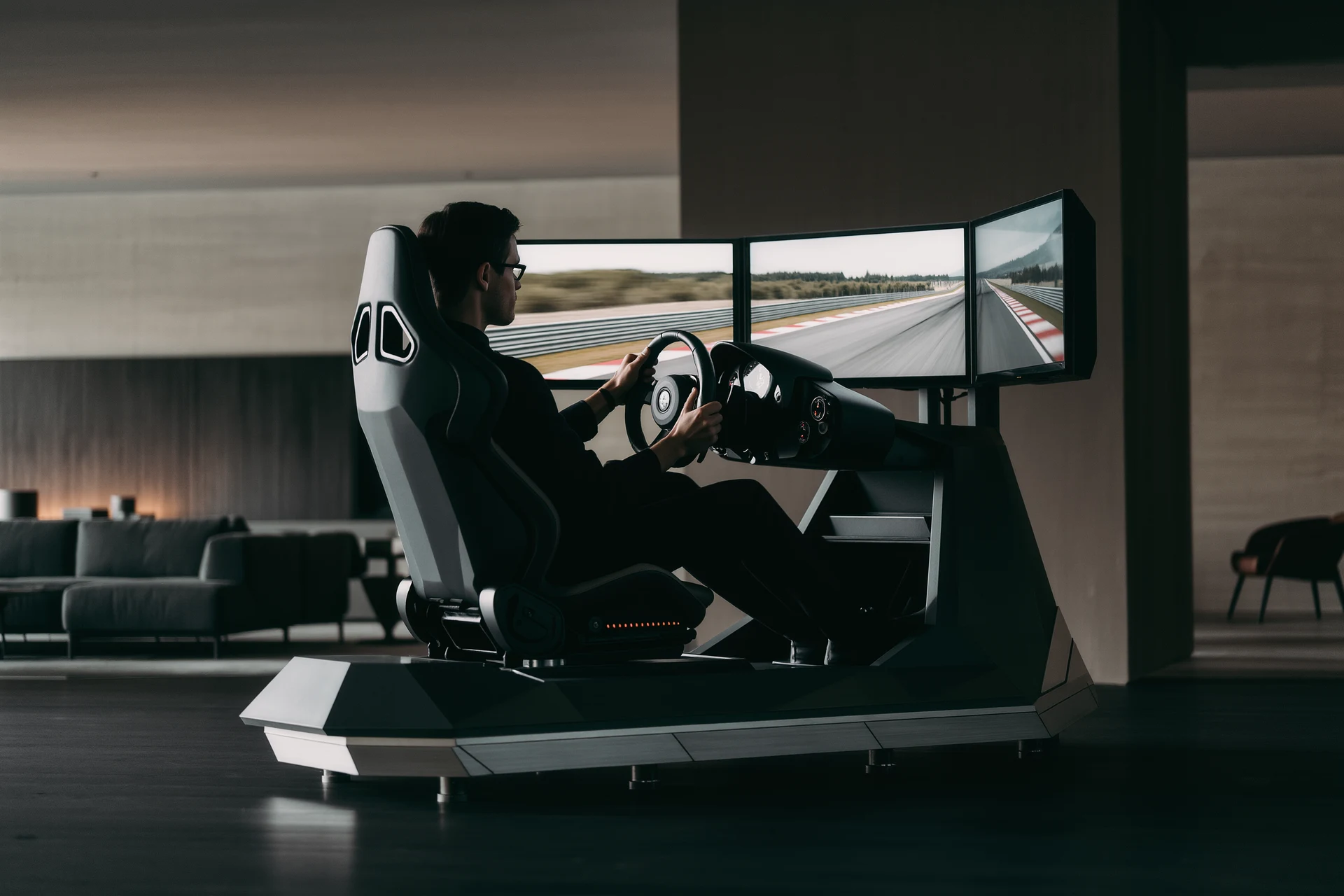
Think of a car cockpit. What comes to mind? Probably a dashboard, a steering wheel, a screen or two. It’s functional, sure, but is it exciting? For a long time, that’s been the baseline. But what if your car’s interior wasn’t just a place to sit, but an active participant in your driving experience? That’s where the “Motion Ready Cockpit” comes in. Essentially, it’s the idea of integrating sophisticated motion simulation and interactive technologies directly into the vehicle’s interior, turning your everyday drive into something far more engaging, whether you’re on a winding road or stuck in traffic. This isn’t just about bigger screens; it’s about physical feedback that enhances awareness and enjoyment.
For years, automotive tech innovation has largely focused on what you see: brighter displays, more complex interfaces, better connectivity. While those are important, they’re only part of the story. What if your car could feel different to match what it’s doing, or what you’re seeing on those screens? That’s the core of the motion-ready concept. It’s about bringing in the sense of touch and physical sensation, not just visual input.
Haptic Feedback: Feeling the Road (and More)
Imagine feeling a subtle vibration under your fingertips as you approach a slippery patch of road, or a distinct jolt when your car’s systems detect a potential hazard. This is haptic feedback, and it’s a key player in the motion-ready cockpit. It goes beyond simple buzzes and vibrations. Developers are working on creating nuanced sensations that can communicate specific information.
Advanced Haptic Actuators
These aren’t your phone’s basic vibration motors. We’re talking about sophisticated actuators integrated into steering wheels, seats, and even the dashboard itself. Think of them as tiny, precisely controlled mechanical elements that can create a wide range of textures and forces.
Communicating More Than Just Alerts
The potential here is vast. Haptics can be used to:
- Enhance Navigation: Feel a gentle pulse on the left side of the steering wheel to indicate an upcoming left turn, without even needing to look at the map.
- Improve Driver Awareness: Experience subtle feedback that mimics the road surface, giving you a better sense of grip and traction, especially in adverse weather.
- Provide Immersive Entertainment: In a car designed for autonomous driving or entertainment, haptics could simulate the rumble of an engine or the feeling of acceleration during a game or movie.
- Assist with Driver Training: New drivers could learn to better feel the car’s limits and response through tactile cues.
Dynamic Surfaces and Controls
The idea of a static dashboard is becoming outdated. Motion-ready cockpits explore concepts where surfaces can change shape or texture, and controls can adapt to the situation.
Adaptive Steering Wheels
Imagine a steering wheel that can subtly change its grip texture based on driving conditions, or even retract or expand slightly for different driving modes. This could provide a more secure hold during spirited driving or a more relaxed feel during a long commute.
Reconfigurable Dashboards
Instead of a fixed array of buttons and dials, imagine a dashboard where different sections can rise, fall, or illuminate based on what you need. Driving, infotainment, or even maintenance, the interface could adapt.
The Psychology of Motion: How It Affects Us
It’s easy to focus on the raw technology, but the real power of a motion-ready cockpit lies in how it influences our perception and behavior. Our brains are wired to react to motion and physical cues, and integrating these into the car can lead to significant improvements.
Enhanced Situational Awareness
One of the most direct benefits of motion-ready technology is its potential to boost your awareness of what’s happening around you and within the car.
Faster Recognition of Hazards
When information is conveyed through multiple senses, it’s processed more quickly. A physical cue can cut through visual clutter, drawing your attention to a critical event faster than a flashing light on a screen alone.
Intuitive Information Delivery
Instead of having to decipher complex visual displays, motion-ready systems aim for more intuitive communication. You feel the information, which can be less cognitively demanding and therefore safer, especially when you need to keep your eyes on the road.
Deeper Immersion and Engagement
This is where the “future” aspect really comes alive. Whether you’re driving or being driven, the experience can become far more engaging.
For the Driver: A More Connected Experience
For driving enthusiasts, this technology can amplify the joy of being in control. Feeling the subtle shifts in the car’s dynamics can make every drive feel more alive and responsive.
For Passengers: Entertainment and Relaxation Reimagined
In a future where autonomous driving becomes more prevalent, motion-ready cockpits can transform the passenger experience. Instead of passively watching the world go by, passengers could be immersed in entertainment or even experience simulated journeys.
Mitigating Motion Sickness
Interestingly, some motion simulation technologies can actually help reduce motion sickness. By providing physical cues that align with visual information, it can trick the brain into believing the motion is real, thereby settling the inner ear.
Bridging the Gap: Motion in Autonomous Vehicles
The rise of autonomous vehicles presents a unique opportunity for motion-ready cockpits. When the AI is in control of driving, the human occupant’s role changes dramatically. This is where the technology can truly shine, shifting from driver assistance to passenger experience.
Redefining the Passenger Environment
If you’re not driving, what are you doing? The traditional car interior isn’t designed for passengers in this way. A motion-ready cockpit can make the transition smoother and more enjoyable.
Active Relaxation and Wellness
Imagine seats that subtly adjust to promote comfort and reduce fatigue during long journeys, or even provide gentle massage functions integrated with the car’s movement. This could turn commutes into opportunities for re-energizing.
Immersive Entertainment Platforms
This is perhaps the most obvious application for autonomous vehicles. Games, movies, and virtual reality experiences can be enhanced with motion simulation that mirrors the on-screen action. Think of a roller coaster simulation where the car moves with the virtual track, or a space game where you feel the G-forces.
The Role of Active and Passive Safety
Even as cars become more autonomous, safety remains paramount. Motion-ready technology can play a dual role.
Active Safety Enhancement
While not directly controlling the car, motion cues can provide occupants with advanced warning of potential dangers. This could include subtle vibrations or shifts that prepare them for sudden braking or evasive maneuvers, even if they aren’t actively driving.
Passive Safety Communication
In the event of an unexpected impact, motion-ready systems could potentially provide immediate, subtle feedback to occupants, helping them brace themselves or understand the nature of the event.
Technological Underpinnings: What Makes It Work?
Bringing a motion-ready cockpit to life requires a complex interplay of sensors, processors, and actuators. It’s not just one piece of tech; it’s a holistic system.
Advanced Sensor Fusion
To accurately understand the car’s environment and its own dynamics, motion-ready cockpits rely on an array of sensors.
Lidar, Radar, and Cameras
These standard autonomous driving sensors provide the raw data about the car’s surroundings.
Inertial Measurement Units (IMUs) and Accelerometers
These sensors are critical for detecting the car’s own motion, acceleration, and orientation in space. They are the foundation for understanding how the car is moving.
Strain Gauges and Pressure Sensors
Integrated into seats and controls, these can detect occupant weight distribution and pressure, allowing the system to adapt its feedback accordingly.
Sophisticated Motion Simulation Algorithms
Raw sensor data is just the beginning. Powerful algorithms are needed to translate this data into meaningful and comfortable physical sensations.
Real-time Data Processing
The system needs to process vast amounts of data in milliseconds to provide responsive feedback. Any lag can ruin the immersion and even compromise safety.
Predictive Motion Modeling
Algorithms can predict upcoming movements, allowing for smoother and more natural motion simulation, rather than reacting to events after they happen.
Personalized Motion Profiles
The system could learn individual preferences for motion intensity and type, creating a tailored experience for each occupant.
Actuator Technologies
The physical manifestation of motion within the cabin comes from a range of advanced actuator technologies.
Electro-Mechanical Actuators
These are precise motors that can generate controlled movements, vibrations, and force feedback.
Pneumatic and Hydraulic Systems
For more powerful or nuanced movements, air or fluid pressure can be used to create dynamic effects.
Piezoelectric Actuators
These can generate very fine, high-frequency vibrations, ideal for subtle haptic feedback like simulating textures.
The Road Ahead: Challenges and Opportunities
Like any groundbreaking technology, the motion-ready cockpit faces hurdles before it becomes mainstream. But the potential rewards are immense.
Challenges to Widespread Adoption
- Cost: Integrating these advanced systems will undoubtedly come with a significant price tag initially, limiting early adoption to luxury vehicles.
- Complexity and Reliability: These systems are intricate. Ensuring their long-term reliability and ease of maintenance will be crucial.
- User Acceptance and Education: People are used to interacting with cars in a certain way. Educating consumers about the benefits and ensuring they are comfortable with the new interactions will be key.
- Regulatory Hurdles: As new forms of human-machine interaction emerge, regulators will need to adapt safety standards and guidelines.
- Power Consumption: Driving the sophisticated actuators and processing units will require significant power, which could impact vehicle range, especially for electric vehicles.
Opportunities for Innovation
- Enhanced Driving Experience: For enthusiasts, this offers a way to feel more connected to their vehicles than ever before.
- Transforming Commutes: With increasing autonomy, motion-ready cockpits can turn car interiors into versatile spaces for work, entertainment, and relaxation.
- New Forms of Entertainment: Think of gaming, virtual tourism, or even interactive storytelling that takes place within the vehicle.
- Improved Safety and Awareness: The potential to indirectly enhance driver awareness and prepare occupants for events is significant.
- Accessibility Solutions: Motion-ready technology could offer new ways for individuals with certain disabilities to experience and interact with vehicles.
The motion-ready cockpit isn’t just a sci-fi concept; it’s an evolving reality. It represents a fundamental shift in how we think about the car interior, moving beyond a passive shell to an active, sensory environment. As technology matures and costs come down, expect to see more cars that don’t just move you from A to B, but actively engage your senses and redefine what it means to be inside a vehicle.
FAQs
What is a motion ready cockpit?
A motion ready cockpit is a term used to describe a cockpit or control center that is equipped to handle the motion and forces experienced during operation, such as in a vehicle, aircraft, or simulator.What features are typically found in a motion ready cockpit?
Features of a motion ready cockpit may include specialized seating, harnesses, and restraints to secure occupants, as well as controls and displays designed to withstand and accommodate the forces and movements experienced during operation.What are the benefits of a motion ready cockpit?
A motion ready cockpit can enhance safety, comfort, and performance for occupants by providing the necessary support and functionality to effectively operate in dynamic and challenging environments.Where are motion ready cockpits commonly used?
Motion ready cockpits are commonly used in various industries and applications, including aviation, automotive racing, military vehicles, and simulation training environments.How is a motion ready cockpit different from a standard cockpit?
A motion ready cockpit is specifically designed and equipped to handle the unique challenges of operating in dynamic and high-force environments, whereas a standard cockpit may not have the same level of support and functionality for such conditions.More from Cockpits & Rigs
Sim Racing VR vs Triples Guide
VR vs triple monitors for sim racing in 2026: compare Quest 3, Pimax Crystal Light and triple 1440p setups on field of view, depth, comfort, cost and …
Sim Racing Motion Platforms Guide
Sim racing motion platforms guide: compare seat movers, chassis movers, D-BOX, PT Actuator, and bass shakers, with prices from $150 to $20,000-plus an…
Sim Racing Cockpit Setup Guide
Sim racing cockpit setup guide: compare folding rigs, wheel stands, full cockpits and aluminum profile, plus seats, ergonomics and field-of-view tips.…