Ultimate Racing Experience: Adjustable Cockpit
So, you’re thinking about diving into the world of sim racing and wondering about these “adjustable cockpits.” What’s the big deal? Well, essentially, an ad…
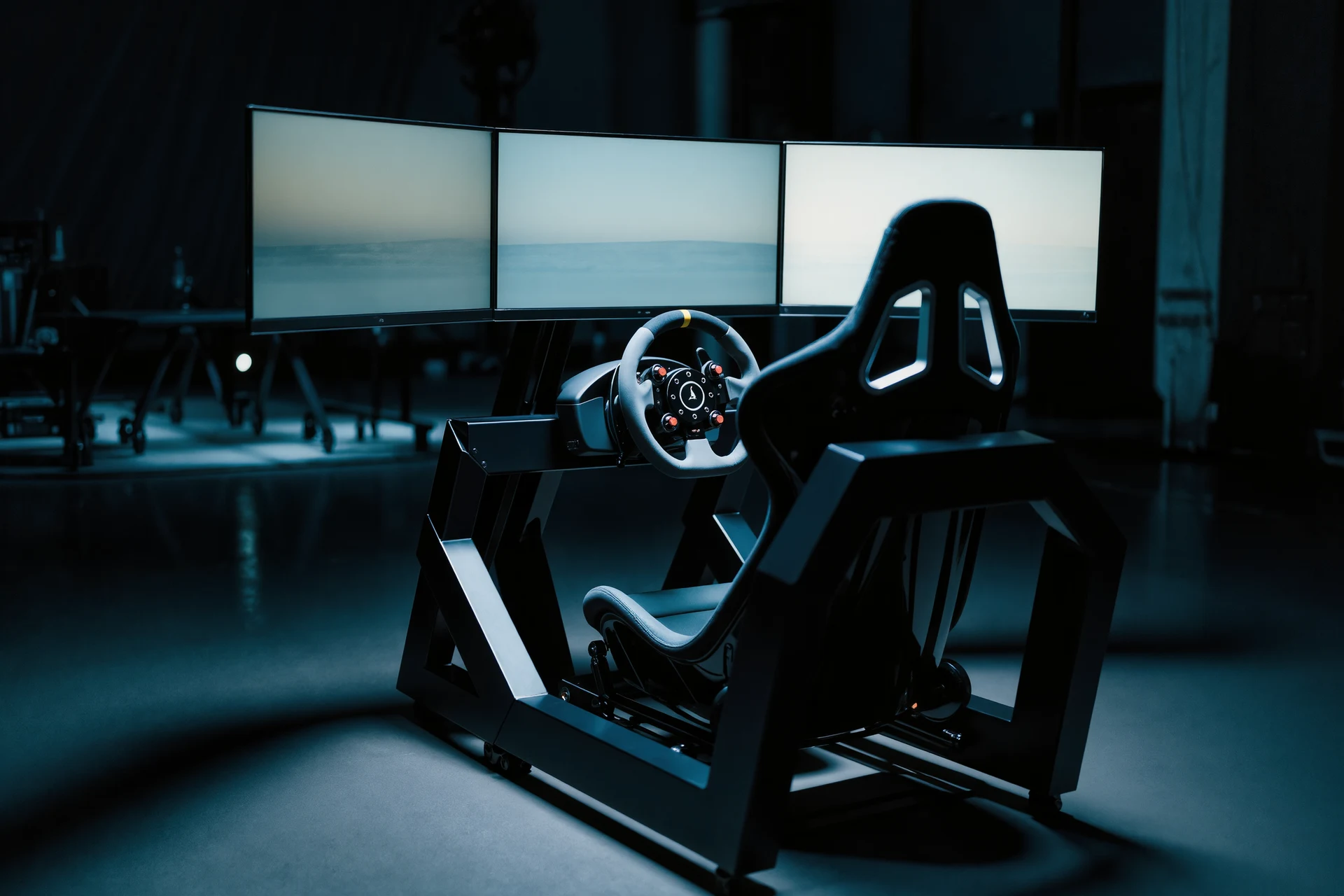
So, you’re thinking about diving into the world of sim racing and wondering about these “adjustable cockpits.” What’s the big deal? Well, essentially, an adjustable racing cockpit is the throne from which you’ll conquer virtual asphalt. It’s your central hub for controls, and its adjustability is key to finding that sweet spot for comfort, immersion, and ultimately, better performance. We’re talking about a setup that lets you dial in your driving position precisely, making those long races feel less like a chore and more like a genuine experience.
Let’s cut to the chase: why invest in something that adjusts when you could just… sit in a chair? The short answer is, it’s about replicating the real-world driving feel as closely as possible, and doing it in a way that doesn’t leave you with a sore back and wobbly arms.
Comfort is King (and Queen)
Think about real race car drivers. They spend hours in their seats, and they’re not slouching on a sofa. Cockpits aim to mimic that focused, ergonomic posture. An adjustable one lets you fine-tune the seat position, steering wheel height and angle, and pedal placement. This is crucial for preventing fatigue, especially during endurance races. No more awkward stretches or trying to contort yourself into a position that vaguely resembles driving.
Immersion: Feeling Like You’re There
Getting your virtual driving position right is a huge step towards feeling truly immersed. When your wheel is at the right height, your feet naturally reach the pedals, and your monitor is positioned correctly, the lines between the real and virtual worlds blur. This isn’t just about aesthetics; it’s about how your brain processes information and reacts. A well-adjusted cockpit helps you feel more connected to the car and the track.
Performance Gains: It’s Not Just About Looking Good
This might seem a bit counterintuitive, but comfort and immersion directly translate to performance. When you’re not fighting your setup, you can focus on the nuances of the track and the car. Better posture means less muscle strain and better blood flow, leading to sharper reflexes. Plus, the ability to precisely position your wheel and pedals means consistent inputs, which is fundamental for any sim racer looking to shave off those tenths of a second.
Key Features to Look For: Beyond Just “Adjustable”
When you start looking at adjustable cockpits, you’ll quickly realize “adjustable” is a broad term. Different models offer various levels of customization. Knowing what to look for will save you time and frustration.
Steering Wheel Mount Adjustments
This is probably the most important adjustment. You need to be able to move the wheel up and down (tilt) and forward and backward (reach). Some higher-end options even allow for angle adjustments beyond just tilt.
Tilt and Reach: The Basics
Most decent cockpits will offer tilt functionality. This allows you to set the wheel to a comfortable angle, mimicking a real car’s steering column. Reach adjustment is also vital. You want the wheel to be at a distance where your arms are slightly bent at the elbows when fully extended towards the wheel, preventing your shoulders from being stressed.
Advanced Wheel Mounts: For the Finer Details
Some premium cockpits have more elaborate wheel mounts. These might feature quick-release mechanisms for swapping wheels, or even parallelogram designs that ensure the wheel maintains its angle relative to your shoulders as you adjust the reach. This level of detail can be a game-changer for some racers.
Pedal Mount Adjustments
Your feet are directly connected to the car’s acceleration, braking, and clutch. Proper pedal positioning is non-negotiable.
Angle and Distance: Getting Your Feet Right
Similar to the wheel, pedal mounts usually offer angle and distance adjustments. You want to be able to set the pedals at an angle that’s comfortable for your ankles and provides good leverage. The distance from the seat should also be adjustable so your legs aren’t cramped or overextended.
Heel-Toe Haven: Why It Matters
For many sim racers, the ability to perform heel-toe downshifts is a crucial skill. An adjustable pedal tray can make this much easier by allowing you to position the brake and gas pedals at the correct lateral distance and height relative to each other. Some even offer adjustable pedal plates, allowing you to mount your pedals at different heights or angles to suit your preference.
Seat Adjustments: Not Just a Comfy Chair
While the seat itself might be a separate purchase, the cockpit is designed to integrate with it and offer adjustments that tie directly to your overall driving position.
Fore and Aft: Finding Your Footing
This is the most basic seat adjustment. Being able to slide the seat forward or backward allows you to get your legs to the correct length for the pedal box.
Recline and Lumbar Support: Crucial for Marathon Sessions
The ability to recline the seat and adjust lumbar support can make a massive difference in comfort over long gaming sessions. You want to be able to sit upright enough to maintain focus but also have support for your lower back to prevent fatigue and pain. Many cockpits use sliders that attach to compatible racing seats, ensuring a secure and adjustable connection.
Harness Integration: For the Serious Racers
Higher-end cockpits often feature points for mounting racing harnesses. While not strictly “adjustability” of the cockpit itself, it’s a feature that often comes hand-in-hand and allows for a more secure and immersive driving experience, preventing you from sliding around in the seat during intense maneuvers.
Different Types of Adjustable Cockpits: Finding Your Fit
The “adjustable cockpit” umbrella covers a range of designs, each with its own pros and cons. Your choice will depend on your budget, available space, and how serious you are about sim racing.
Wheel Stands: The Entry-Level Option
These are essentially foldable or collapsible frames that hold your wheel and pedals. They don’t typically include a seat.
Pros of Wheel Stands
- Affordability: Generally the cheapest option for getting your gear off your desk.
- Portability: Many are designed to fold up for easy storage, making them ideal for those with limited space.
- Simplicity: They are straightforward to set up and use.
Cons of Wheel Stands
- Limited Immersion: Without a dedicated seat and proper ergonomics, they don’t offer the same level of immersion as a full cockpit.
- Potential for Flex: Cheaper wheel stands can sometimes suffer from flex, especially under heavy steering or braking inputs, which can detract from the experience.
- Less Ergonomic: The seating position is dictated by your existing desk chair, which is rarely optimized for racing.
Foldable/Compact Cockpits: The Space-Saver
These are more robust than wheel stands, often resembling a simplified chassis, and designed to fold or collapse for storage. They usually come with an integrated seat or are designed to accept a separate one.
Pros of Foldable Cockpits
- Space Efficiency: Their primary selling point is their ability to be stored away when not in use, making them great for apartments or multi-purpose rooms.
- Better Ergonomics than Wheel Stands: They usually offer more integrated adjustments for wheel and pedal positioning, leading to a more comfortable and immersive experience than a simple wheel stand.
- Decent Stability: Generally more stable than wheel stands, providing a more solid platform for your peripherals.
Cons of Foldable Cockpits
- Compromises on Rigidity: To achieve foldability, there might be some compromises in overall rigidity compared to non-folding, more permanent solutions.
- Limited Integration Options: While good for their size, they might not offer the same breadth of mounting options for accessories as a full-blown rig.
- Can Still Be Bulky: Even when folded, some can still take up a considerable amount of space.
Full/Rigid Cockpits: The Ultimate Experience
These are the most comprehensive and often the most expensive options. They are essentially a complete chassis designed to house your seat, wheel, pedals, and sometimes even shifters and other accessories.
Pros of Full Cockpits
- Unrivaled Stability and Rigidity: Built for maximum sturdiness, they offer a rock-solid platform for even the most demanding direct-drive wheels and load-cell pedals. This eliminates flex and ensures consistent feedback.
- Maximum Adjustability and Ergonomics: Designed from the ground up for racing, they offer the widest range of adjustment options for virtually every component, allowing you to achieve the perfect driving position for maximum comfort and performance.
- Superior Immersion: The integrated seating and all-encompassing design create a truly immersive environment that’s hard to match.
- Expandability: These rigs are often designed to be modular and can accommodate a wide array of add-ons like shifters, handbrakes, button boxes, and even tactile transducers for haptic feedback.
Cons of Full Cockpits
- Cost: These are typically the most expensive option, ranging from a few hundred to several thousand dollars.
- Space Requirements: They are permanent fixtures and require a dedicated space in your home.
- Assembly: Can be complex and time-consuming to assemble, often requiring multiple people and tools.
The Importance of Compatibility: Don’t Buy a Beautiful Birdcage Without a Bird
You’ve found the cockpit of your dreams, but before you click “buy,” you need to make sure your existing (or planned) sim racing gear will actually work with it. This is where compatibility becomes your best friend.
Steering Wheel and Pedal Compatibility
This is the most critical aspect. Check the specific mounting patterns and bolt sizes supported by the cockpit.
Direct Drive Wheels: They Need a Strong Foundation
If you’re considering a powerful direct-drive wheel (like a Simucube, Fanatec Podium, or AccuForce), you need a cockpit that can handle the immense torque and forces they generate. Many entry-level cockpits will simply flex too much or lack the necessary mounting points for these high-end wheels. Look for cockpits specifically designed for direct-drive wheels, often featuring reinforced wheel decks and robust construction.
Load Cell Pedals: Braking Power Needs Solid Support
Similarly, load cell brake pedals exert significant force. A flimsy pedal plate will flex, leading to inconsistent braking and a less realistic feel. Ensure the cockpit’s pedal tray is robust and designed to accept the forces generated by your chosen pedals. Many high-end cockpits offer adjustable pedal plates that can accommodate various pedal mounting configurations and angles.
Seat Compatibility: Not All Seats Are Created Equal
While many cockpits will work with a wide range of racing seats, some have specific mounting points or dimensions that might be more restrictive.
Racing Seats vs. Office Chairs: A Clear Distinction
While you can sometimes use a gaming or office chair with a wheel stand, it’s generally not recommended for a full cockpit experience. The goal is to have a fixed, supportive seating position. Think about the type of seat you want, a bucket seat for maximum immersion and support, or a more comfortable reclining racing seat.
Mounting Brackets and Sliders: The Connectors
Most cockpits will have mounting points for universal seat brackets or sliders. However, it’s always wise to check the dimensions of the seat you’re considering and compare them to the cockpit’s specifications to ensure a smooth installation. Some manufacturers offer their own branded seats or recommend specific compatible models.
Practical Considerations: Beyond the Specs
Once you’ve got the technical bits sorted, there are a few other practical things to think about before committing to an adjustable cockpit.
Space and Layout: Where Will It Live?
This is a big one. Measure your space! A full cockpit can be quite large, even when not in use if there’s no folding mechanism. Consider:
- Footprint: How much floor space will it occupy when you’re using it?
- Storage: If it’s a foldable option, where will it go when collapsed?
- Cable Management: Where will you route your cables for power, USB, and video? Many cockpits have provisions for this, but it’s worth thinking about.
Budget: Setting Realistic Expectations
Adjustable cockpits range dramatically in price. Decide what you can realistically afford.
- Entry-Level: Wheel stands and basic foldable cockpits can start around $150-$300.
- Mid-Range: More robust foldable cockpits or basic rigid frames might be $400-$800.
- High-End: Premium rigid cockpits, especially those designed for direct-drive wheels, can easily be $800 and go up to $2,000+ or even more for custom-built solutions.
Don’t forget to factor in the cost of a compatible seat, steering wheel, pedals, and any other accessories you might need.
Assembly and Maintenance: Getting Your Hands Dirty
Most cockpits will require some assembly. Be prepared to spend an afternoon with tools and instructions.
- Tools: Ensure you have the necessary tools, usually wrenches, screwdrivers, and perhaps an Allen key set.
- Instructions: Read them carefully! Some can be a bit cryptic, so take your time.
- Maintenance: Periodically check bolts and connections to ensure everything is tight and secure, especially after aggressive driving.
By carefully considering these factors, you’ll be well on your way to finding an adjustable racing cockpit that not only looks the part but also feels right and performs exceptionally, taking your sim racing to a whole new level of enjoyment and skill.
FAQs
What is an adjustable racing cockpit?
An adjustable racing cockpit is a specialized seat and frame designed to provide a realistic and immersive racing experience for video game enthusiasts and professional sim racers. It typically features adjustable components such as the seat, steering wheel mount, and pedal mount to accommodate different body sizes and preferences.What are the benefits of using an adjustable racing cockpit?
Using an adjustable racing cockpit can enhance the racing experience by providing a more comfortable and ergonomic seating position, improved stability during gameplay, and the ability to customize the setup to fit individual preferences. It can also help simulate the feeling of being in a real racing car, leading to more realistic and immersive gameplay.What features should I look for in an adjustable racing cockpit?
When choosing an adjustable racing cockpit, look for features such as adjustable seat sliders, angle-adjustable pedal mounts, height-adjustable steering wheel mounts, sturdy construction, compatibility with different gaming consoles and racing wheels, and the ability to add accessories such as monitor stands and shifter mounts.How do I set up an adjustable racing cockpit?
Setting up an adjustable racing cockpit typically involves assembling the frame, attaching the seat, mounting the steering wheel and pedals, and adjusting the various components to fit your body size and preferences. It’s important to follow the manufacturer’s instructions and ensure that all components are securely fastened before use.Are adjustable racing cockpits compatible with different gaming systems?
Many adjustable racing cockpits are designed to be compatible with a wide range of gaming systems, including PC, PlayStation, and Xbox. However, it’s important to check the compatibility of the specific cockpit model with your gaming system and racing wheel before making a purchase.More from Cockpits & Rigs
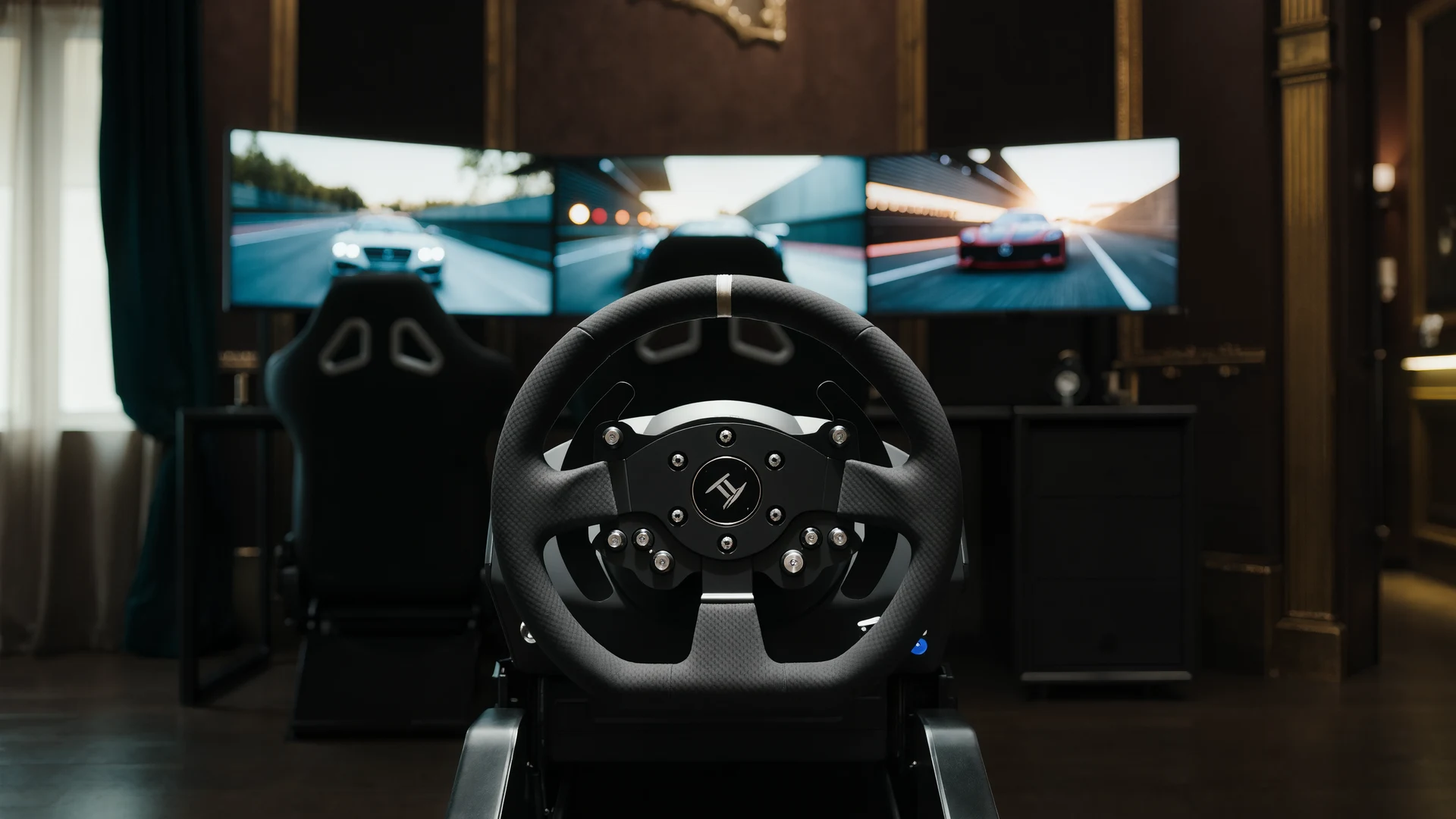
Sim Racing VR vs Triples Guide
VR vs triple monitors for sim racing in 2026: compare Quest 3, Pimax Crystal Light and triple 1440p setups on field of view, depth, comfort, cost and …
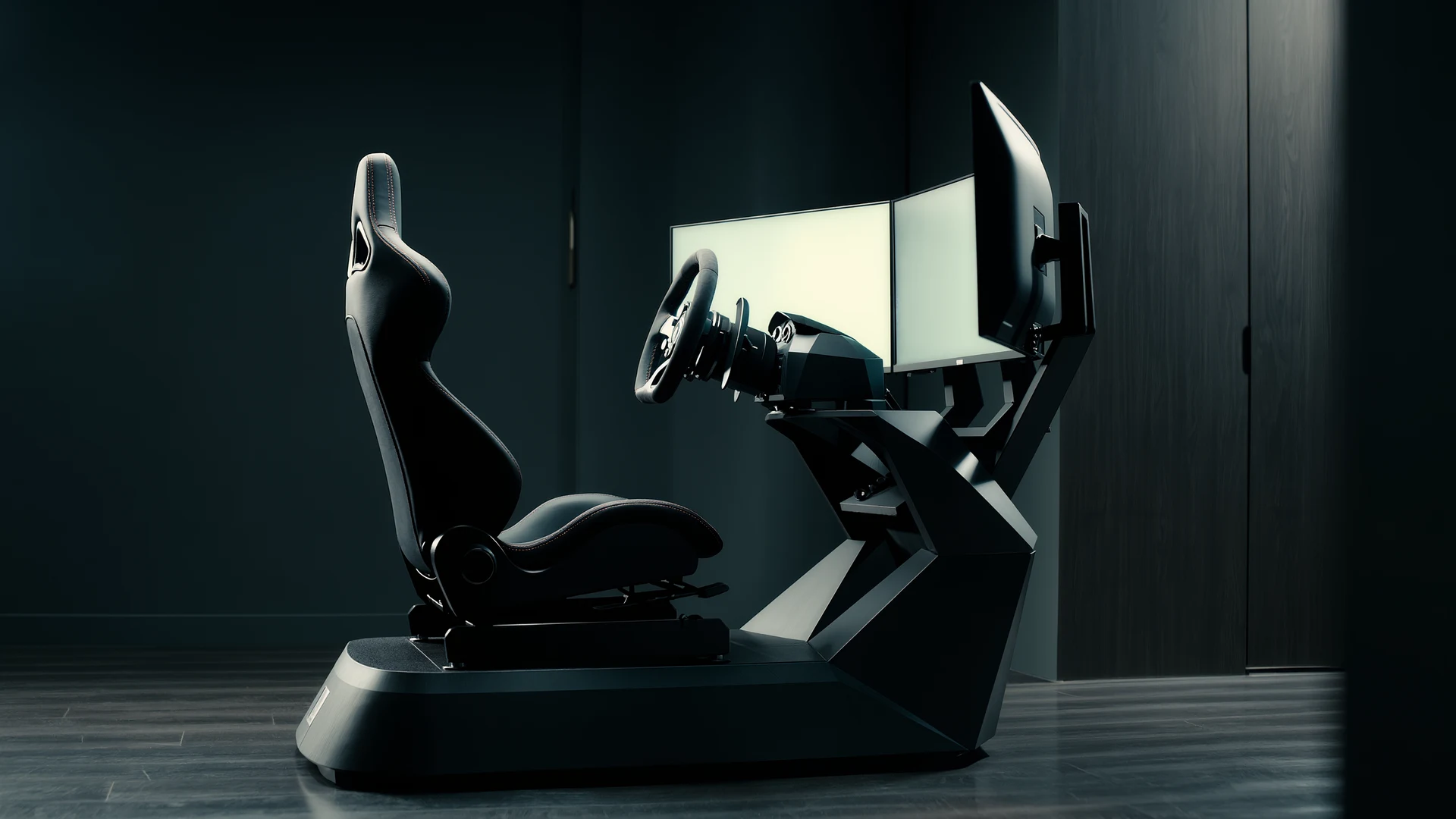
Sim Racing Motion Platforms Guide
Sim racing motion platforms guide: compare seat movers, chassis movers, D-BOX, PT Actuator, and bass shakers, with prices from $150 to $20,000-plus an…

Sim Racing Cockpit Setup Guide
Sim racing cockpit setup guide: compare folding rigs, wheel stands, full cockpits and aluminum profile, plus seats, ergonomics and field-of-view tips.…