Ultimate Racing Experience: Direct Drive Cockpit
So, you’re thinking about taking your sim racing to the next level and heard about direct drive cockpits. You’re probably wondering if they’re really worth it, or if it…
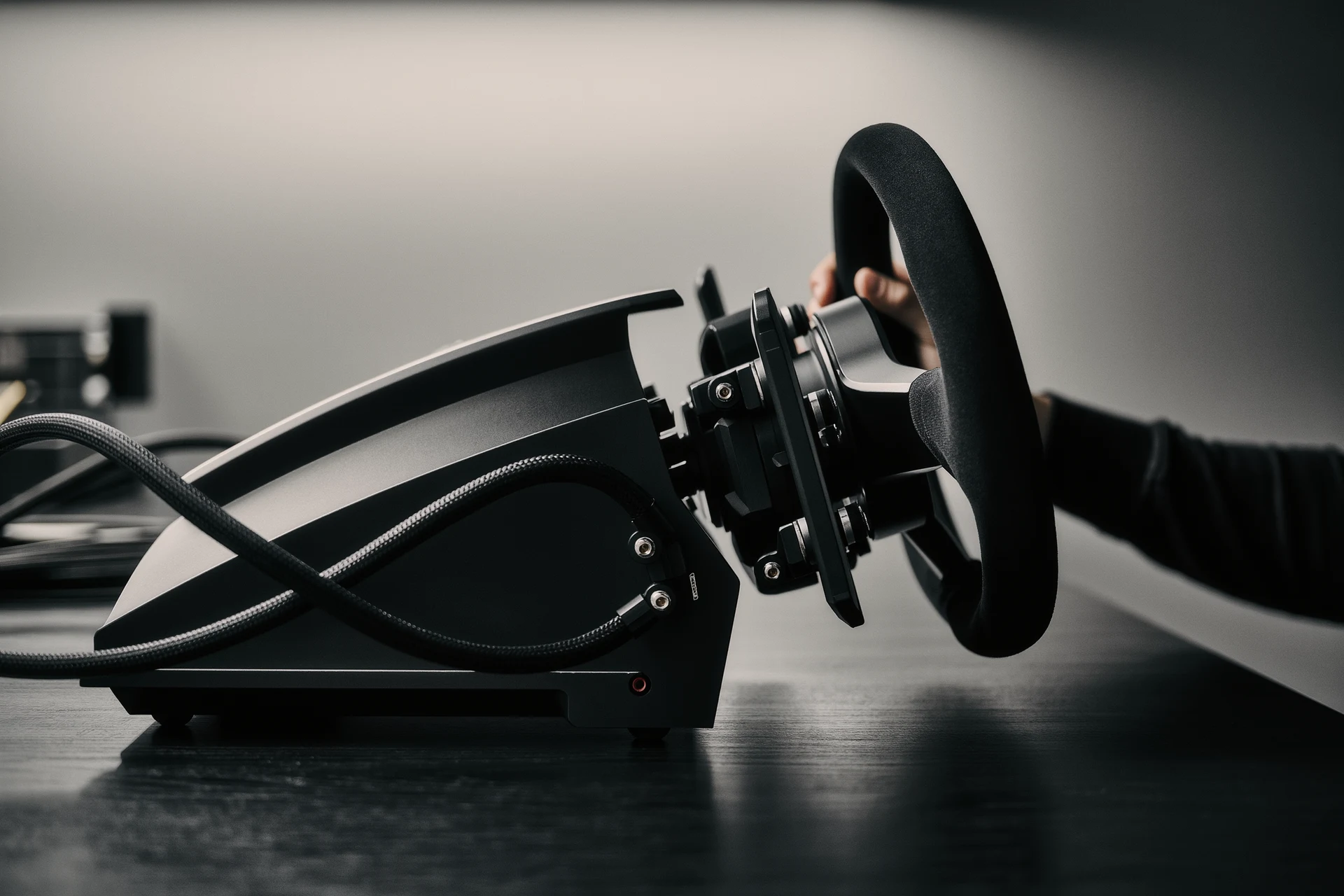
So, you’re thinking about taking your sim racing to the next level and heard about direct drive cockpits. You’re probably wondering if they’re really worth it, or if it’s just another expensive piece of gear that won’t make much difference. The short answer is: yes, a direct drive cockpit can be a game-changer, offering a level of immersion and realism that belt or gear-driven wheels just can’t match. But it’s not a one-size-fits-all solution, and there are definitely things to consider before you dive in. Let’s break down why, and what you should be looking for.
This is the core of what makes a direct drive cockpit so special. Unlike other steering wheel systems, a direct drive wheel connects the motor directly to the steering shaft. There are no gears or belts in between. Think of it like this: with a gear or belt system, there’s a bit of a buffer between what the motor is doing and what you feel through the wheel. That buffer can lose some of the nuance and detail of the force feedback.
The Physics of Direct Input
Because the motor is directly connected to the wheel, there’s virtually no lag or mechanical filtering. Every little bump, every patch of gravel, every subtle shift in tire grip is transmitted to your hands almost instantaneously. This direct connection is what allows for incredibly detailed and realistic force feedback. You’re not just feeling a simulated vibration; you’re feeling the actual forces that a real race car driver would experience.
Why No Gears or Belts?
Gears and belts are great for smoothing out power and making things quieter, but in sim racing, that smoothing can be a disadvantage. They introduce a degree of play, or “slop,” even in the best systems. This means that very fine details in the force feedback can be lost in translation. Direct drive eliminates this intermediary, giving you the raw, unfiltered feedback from the virtual car.
The Benefits: How Direct Drive Elevates Your Racing
This is where you start to see the “ultimate” in the ultimate racing experience. The improvements aren’t just about making things feel a bit more real; they can tangibly improve your performance and your enjoyment.
Unparalleled Force Feedback Detail
This is the big one. Direct drive wheels offer an astonishing level of detail in their force feedback. You can feel the texture of the tarmac, the subtle shift in weight transfer as you brake or accelerate, the rumble of the engine, and even the faint slip of a tire losing grip. This level of detail allows you to make more informed input decisions in real-time.
Feeling the Road Surface
Imagine driving a real car on different surfaces. You can feel the difference between smooth asphalt, broken concrete, or a gravel shoulder. A direct drive wheel can replicate this with incredible fidelity. You’ll feel the fine vibrations of the road, the jolts of imperfections, and this can help you anticipate and react to changes in grip.
Tire Slip and Grip Changes
This is crucial for performance. With a direct drive wheel, you can feel the exact moment a tire starts to lose grip, or when it’s on the very edge of sliding. This allows for incredibly precise throttle and steering control. You can push the car harder because you have such clear feedback about its limits, and you can recover from slides more effectively because you feel them developing rather than just reacting to a visual cue or a sudden loss of control.
Enhanced Immersion and Realism
Sim racing is all about immersion: tricking your brain into believing you’re actually in the driver’s seat of a race car. Direct drive wheels are a massive leap forward in achieving this. The detailed feedback makes the experience so much more believable.
A Deeper Connection to the Virtual Car
When the feedback is this detailed and responsive, you start to feel a genuine connection with the virtual car. It’s less like playing a video game and more like operating a complex machine. The car starts to feel alive under your hands, and you develop a much more intuitive understanding of its behavior.
Reducing the “Game” Feel
For many sim racers, the ultimate goal is to get as close to real-world driving as possible. Direct drive systems dramatically reduce the “gamey” feel that can sometimes creep in with less sophisticated hardware. The way the wheel reacts to forces feels natural and organic, not programmed.
Performance Improvements
It’s not just about feeling good; it can actually make you faster. The enhanced feedback allows for more precise inputs, better understanding of car dynamics, and quicker reactions.
Finer Control Over the Steering
With the absence of mechanical filtering, your steering inputs become incredibly precise. You can make tiny, minute adjustments to keep the car on the racing line, or to perfectly balance it through a corner. This level of control is difficult, if not impossible, to achieve with other wheel types.
Better Understanding of Weight Transfer
Weight transfer is a fundamental aspect of driving. Direct drive wheels can communicate the subtle shifts in weight as you brake, accelerate, and corner much more effectively. This allows you to manage the car’s mass more effectively, leading to smoother driving and better traction.
Understanding the Technology: Motor Types and Power
Not all direct drive motors are created equal. The type of motor and its power output (measured in Newton-meters, or Nm) play a significant role in the performance and feel of the cockpit.
Servo Motors vs. Industrial Motors
The two main types of motors used are servo motors and industrial motors. Servo motors are often found in higher-end consumer direct drive wheels. They are known for their speed and precision. Industrial motors, which are sometimes used in very high-end or custom setups, can be more powerful and offer a different kind of feel, though they can sometimes be a bit more sluggish in their response to quick changes.
The Importance of Nm (Newton-Meters)
Nm is a crucial specification for direct drive wheels. It essentially tells you how much force the motor can generate. A higher Nm rating generally means a stronger, more impactful force feedback experience.
What Nm Rating is Right For You?
This is a key question, and the answer depends on what you want and what you can handle.
- 5-10 Nm: This is generally considered entry-level for direct drive. It’s a significant step up from belt or gear driven wheels, offering that direct connection and improved detail. Good for many road cars and lighter race cars.
- 10-20 Nm: This is a very popular sweet spot for many sim racers. It provides substantial force feedback, allowing you to feel the nuances of most race cars and even some heavier GT cars. This often provides a great balance of realism and manageability.
- 20+ Nm: This is where things get serious. These wheels can deliver incredibly powerful forces, simulating the steering of top-tier open-wheelers or very heavy machinery. You’ll feel the fight of the wheel when catching slides or battling under braking. This level is often for those who want the absolute most intense and realistic experience, and it requires a robust rig to handle the forces.
Cooling Systems: Keeping the Motor Running Smoothly
High-powered motors generate heat. The better the cooling system, the more consistently the wheel can deliver peak performance without overheating. Look for wheels with active cooling (fans) or passive heatsinks.
What to Look For in a Direct Drive Cockpit
When you’re choosing a direct drive cockpit, it’s not just about the wheel itself. The entire system needs to be integrated for the best experience.
The Wheelbase (The Motor Unit)
This is the heart of the direct drive system. Consider the Nm rating, the motor type, and the build quality. Pay attention to reviews that discuss the responsiveness and consistency of the force feedback.
Software and Customization
The software that controls the direct drive wheel is hugely important. It allows you to tune the force feedback to your liking, adjust the damping, friction, and other effects. Look for software that is intuitive and offers a good range of customization options. This lets you tailor the experience to different cars and tracks.
The Steering Wheel Rim
While the wheelbase provides the force, the rim is what you touch. Different rim shapes, sizes, and materials can impact comfort and feel.
Rim Size and Shape
Do you prefer a smaller, F1-style wheel, or a larger, more traditional wheel? Consider what you’ll be racing most often.
Button Layout and Quick Release
The placement of buttons and any quick-release system for swapping rims are practical considerations. A good quick-release mechanism should feel secure and allow for easy, confident rim changes.
The Pedals and Shifter (Completing the Setup)
Don’t forget the rest of your cockpit. High-quality pedals are just as crucial as the wheel for realistic driving.
Load Cell Pedals
For true realism, load cell pedals are almost mandatory. Instead of measuring pedal travel, they measure the force applied, mimicking how a real brake pedal works. This allows for much finer control over braking.
Shifter Options
Whether you prefer a sequential shifter, a H-pattern shifter, or paddle shifters on your wheel, ensure your setup accommodates your preferred shifting method.
The Cost and What to Expect
Let’s be honest, direct drive cockpits are an investment. They represent a significant step up in price from entry-level or mid-range sim racing gear.
The Price Range
Entry-level direct drive systems can start in the range of $500-$1000, but this typically gets you a lower Nm rating and fewer features. Mid-range options (10-15 Nm) are often in the $1000-$2000 range, offering a great balance of performance and value. High-end systems with 20+ Nm and premium features can easily go into the $2000-$5000+ territory.
Is it Worth the Investment?
This is the million-dollar question. For serious sim racers who prioritize realism, performance, and immersion, the answer is often a resounding yes. However, if you’re a casual gamer or just starting out, it might be overkill.
Who is Direct Drive For?
- Dedicated Sim Racers: Those who spend hours each week sim racing and are looking to improve their skills and enjoyment.
- Real-World Racers: Drivers who use sim racing for training and want the most realistic feedback possible.
- Enthusiasts Seeking Ultimate Immersion: Anyone who wants to experience the closest thing to driving a real race car from their home.
Alternatives and Entry Points
If a full direct drive cockpit is out of your budget, there are great alternatives. High-end belt-driven wheels (like some from Fanatec or Thrustmaster) offer a significant step up from basic gear-driven wheels. Consider starting with one of these and upgrading later if you find yourself wanting more.
The Final Verdict: Is a Direct Drive Cockpit for You?
Ultimately, whether a direct drive cockpit is the “ultimate racing experience” for you depends on your budget, your commitment to sim racing, and what you prioritize.
Weighing the Pros and Cons
Pros:
- Exceptional realism and immersion
- Unparalleled force feedback detail
- Potential for performance improvement
- Durable and long-lasting hardware
Cons:
- Significant financial investment
- Can be physically demanding
- Requires a sturdy rig to handle forces
- Steeper learning curve for some
Making the Decision
If you’ve reached a point where you feel your current sim racing equipment is holding you back, or if you yearn for a deeper, more visceral connection to your virtual cars, then a direct drive cockpit is definitely worth serious consideration. It’s a commitment, but one that can fundamentally change how you experience sim racing, turning it from a hobby into a truly immersive passion. Think about your budget, research different brands and models, and perhaps even try one out if you have the opportunity. The difference is palpable, and for many, it’s the difference between playing a game and living the race.
FAQs
What is a direct drive cockpit?
A direct drive cockpit is a type of racing simulator setup that uses a direct drive wheel base, which means the steering wheel is directly connected to the motor without any belts or gears in between. This results in more precise and realistic force feedback for the driver.How does a direct drive cockpit differ from other racing simulator setups?
Unlike other racing simulator setups that use belt or gear-driven wheel bases, a direct drive cockpit provides more accurate and detailed force feedback to the driver. This results in a more realistic driving experience and better simulation of real-world driving conditions.What are the benefits of using a direct drive cockpit?
Some of the benefits of using a direct drive cockpit include improved accuracy and responsiveness in force feedback, better simulation of real-world driving conditions, and a more immersive driving experience for the user. Additionally, direct drive cockpits are often more durable and require less maintenance compared to other types of wheel bases.What are some popular direct drive cockpit brands in the market?
Some popular direct drive cockpit brands in the market include Simucube, Fanatec, and AccuForce. These brands offer a range of direct drive wheel bases and cockpit setups designed for both professional and amateur racing enthusiasts.Is a direct drive cockpit suitable for all levels of racing enthusiasts?
While direct drive cockpits offer a high level of realism and immersion, they may not be suitable for all levels of racing enthusiasts due to their higher cost and more advanced features. However, for those seeking a more realistic and immersive racing experience, a direct drive cockpit can be a worthwhile investment.More from Cockpits & Rigs
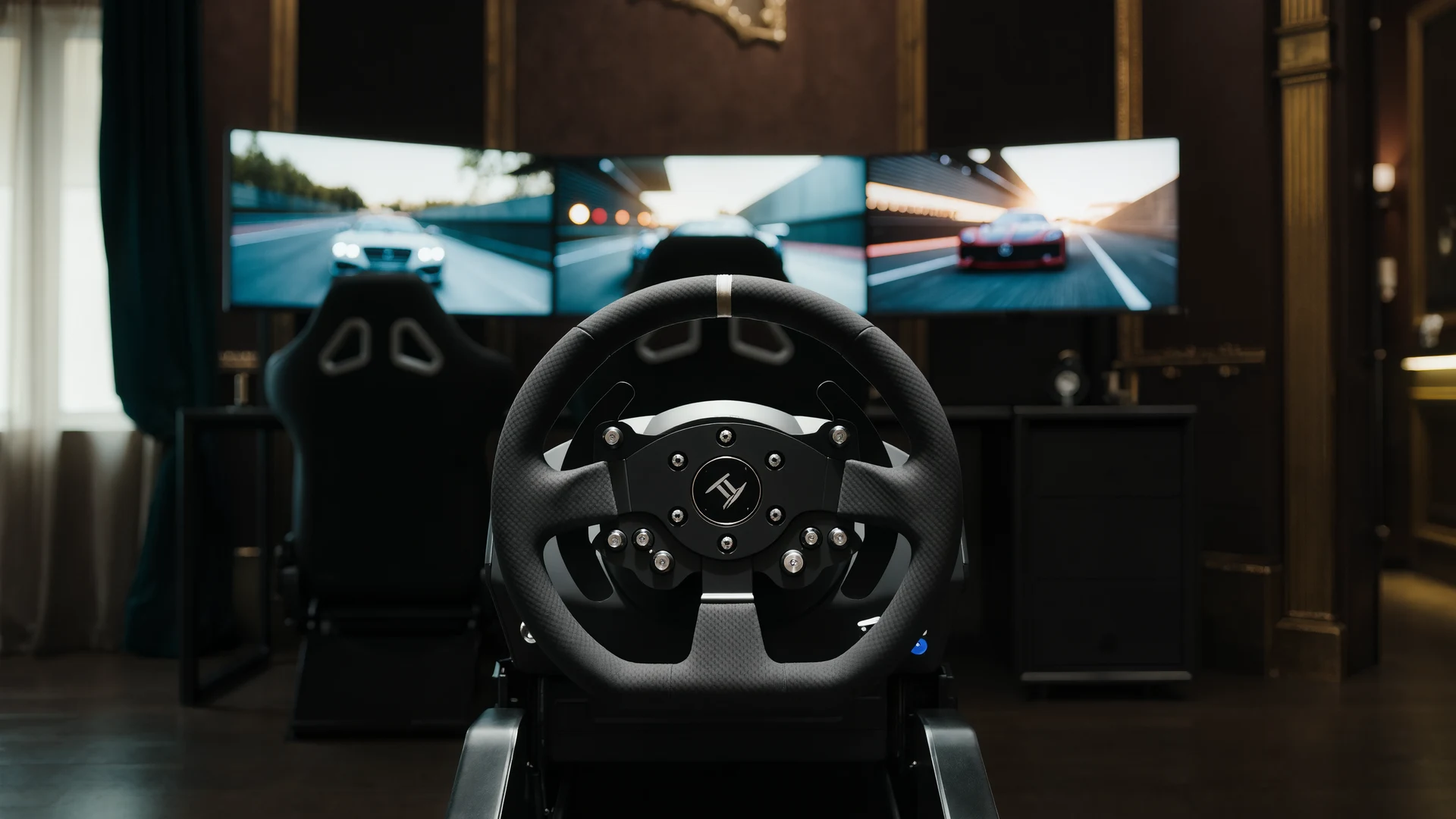
Sim Racing VR vs Triples Guide
VR vs triple monitors for sim racing in 2026: compare Quest 3, Pimax Crystal Light and triple 1440p setups on field of view, depth, comfort, cost and …
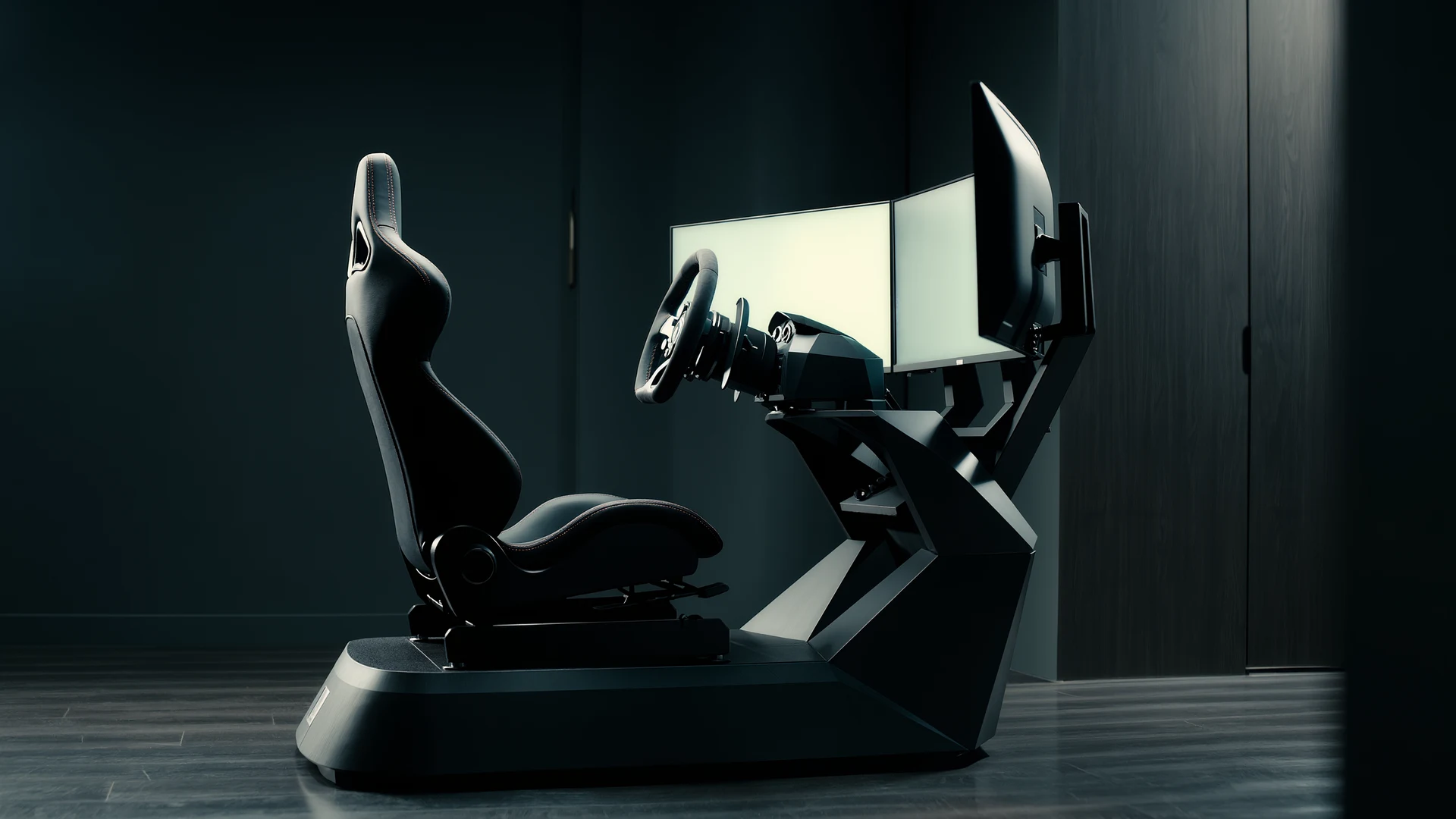
Sim Racing Motion Platforms Guide
Sim racing motion platforms guide: compare seat movers, chassis movers, D-BOX, PT Actuator, and bass shakers, with prices from $150 to $20,000-plus an…
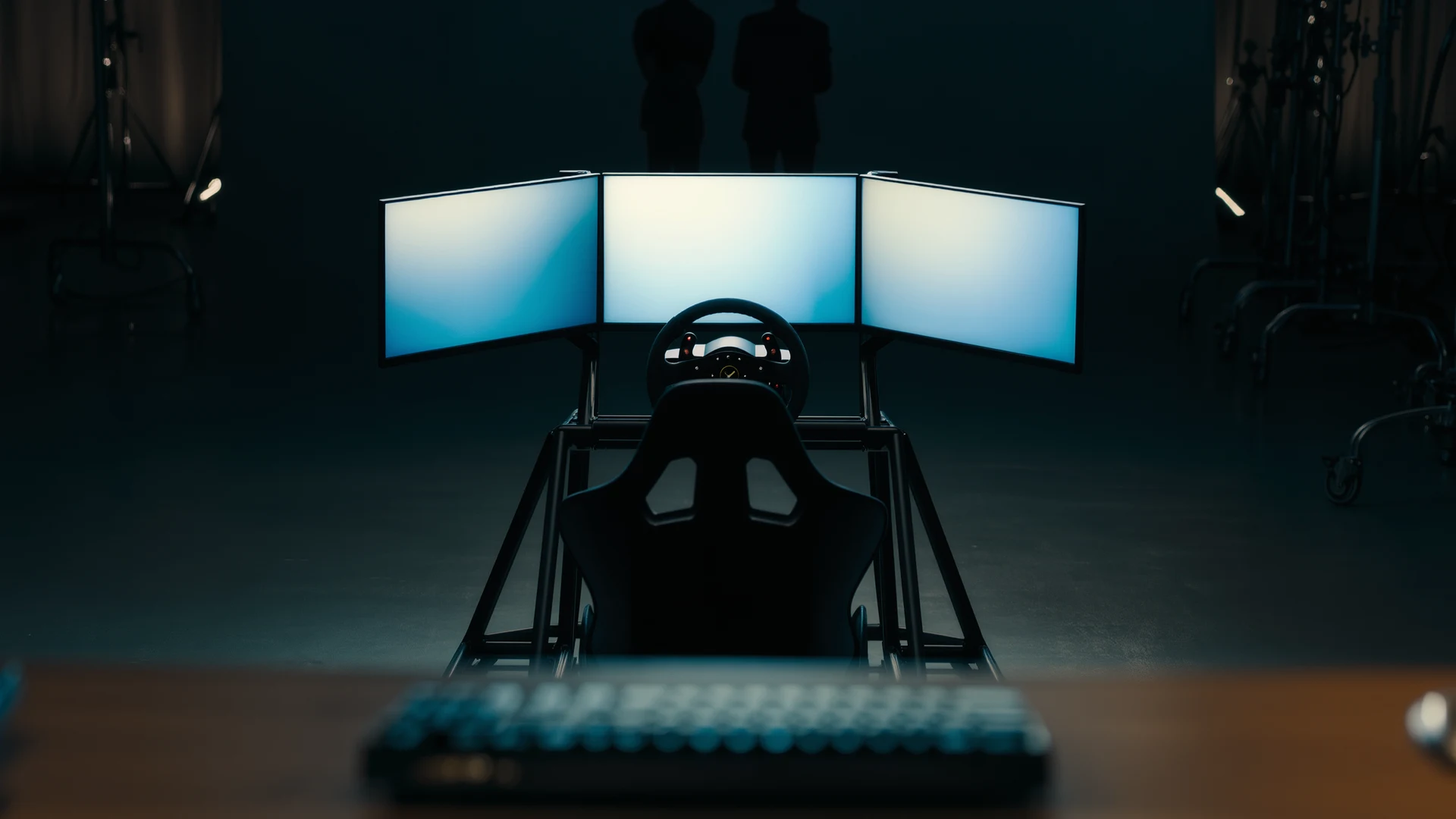
Sim Racing Cockpit Setup Guide
Sim racing cockpit setup guide: compare folding rigs, wheel stands, full cockpits and aluminum profile, plus seats, ergonomics and field-of-view tips.…