Ultimate Racing Experience: Foldable Racing Cockpit Unveiled
So, you’re curious about this “Ultimate Racing Experience: Foldable Racing Cockpit”? Essentially, it’s a setup that aims to bring the thrill of a real race …
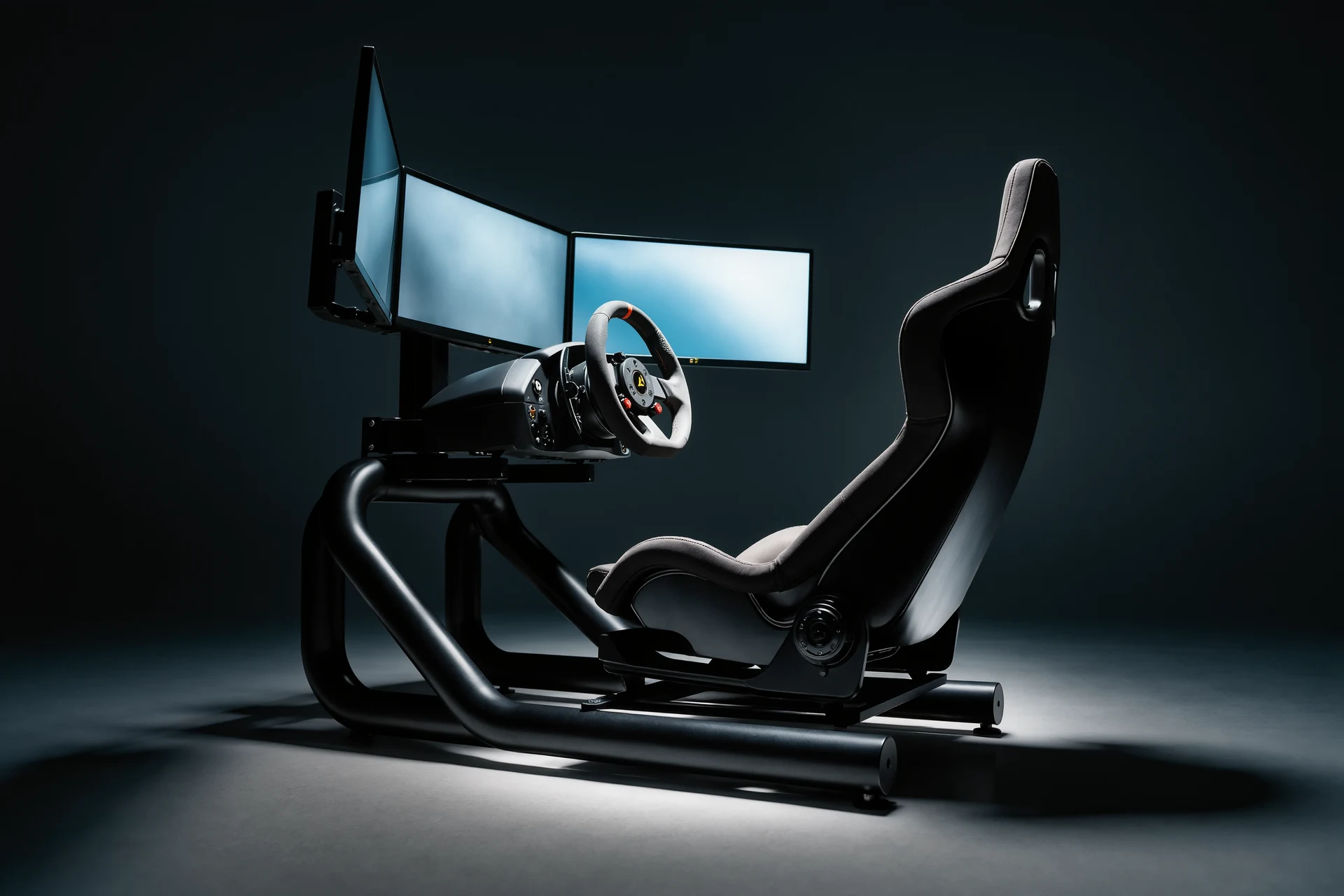
So, you’re curious about this “Ultimate Racing Experience: Foldable Racing Cockpit”? Essentially, it’s a setup that aims to bring the thrill of a real race car into your home, but with a twist: it folds up. This means you can get that immersive racing feel without dedicating a permanent block of space to it. Think less clutter, more virtual checkered flags.
We’re going to dive into what makes this kind of cockpit tick, what benefits it offers, and what you’ll need to consider if you’re thinking of taking the plunge.
At its core, a foldable racing cockpit is a piece of gaming equipment designed to mimic the seating position and control layout of a racing car. It typically includes a sturdy frame that holds a racing seat, mounts for a steering wheel, pedals, and sometimes a gear shifter. The ‘foldable’ part is the key differentiator here.
This means that when you’re done with your racing session, you can collapse the entire structure, making it much more manageable for storage in smaller living spaces or just for keeping your living room looking like… well, a living room.
The Anatomy of a Foldable Cockpit
Understanding the different components helps to appreciate the engineering and thought that goes into these.
The Frame: The Backbone of Immersion
The frame is what gives the cockpit its structure and stability. For a foldable design, this usually involves cleverly engineered hinges and locking mechanisms. The materials used are important. You’ll often see steel, as it’s strong and durable, capable of withstanding the forces generated by enthusiastic steering and braking. Some might opt for lighter but still robust aluminum alloys. The design needs to be rigid enough when set up to prevent wobble, but flexible enough to fold effectively.
The Seat: Comfort Meets Ergonomics
This isn’t your average gaming chair. Racing seats in cockpits are designed for specific postures. They often feature deep side bolsters to keep you secure during intense virtual cornering and are shaped to provide lumbar support. In foldable cockpits, the seat itself might be designed to fold down or detach, or the frame it’s mounted on will have the folding capability. The upholstery can vary, from fabric to leatherette, focusing on breathability and durability.
Mounting Points: Securing Your Gear
Crucial to the experience are the mounts for your accessories. These need to be adjustable and secure.
Steering Wheel Mounts
These are usually positioned directly in front of the user, at a height and angle that mimics a real car. The adjustability here is key, allowing for different wheel sizes and user preferences. They need to be strong enough to handle force feedback from more advanced wheels without flexing excessively.
Pedal Plates
The pedal plate is where your racing pedals sit. Again, adjustability is vital for accommodating different leg lengths and preferred pedal spacing. The plate should be angled correctly and provide a stable platform for precise pedal control. Some higher-end foldable cockpits might even have adjustable pedal angles.
Shifter Mounts
If you’re using a separate gear shifter, a dedicated mount is essential. This is typically located to the side of the seat, within easy reach. These mounts are often adjustable in height and position to suit individual preferences.
The Folding Mechanism: More Than Just Hinges
The ‘foldable’ aspect isn’t just an afterthought; it’s a core design challenge. Manufacturers use various methods to achieve this:
- Hinged Sections: The frame might be built with specific sections that fold inwards or downwards.
- Detachable Components: Some designs allow for certain parts, like the wheel mount or even the entire seat, to be quickly detached.
- Telescopic Elements: Certain parts of the frame or mounts might extend and retract, allowing for a more compact form when folded.
The goal is to make the folding process simple, quick, and safe, so you’re not wrestling with it every time you want to play.
Why Opt for a Foldable Design?
The advantages of a foldable racing cockpit are pretty straightforward, especially if living space is a consideration.
Space-Saving Solutions
This is the most obvious benefit. If you don’t have a dedicated simulator room or a spacious man-cave, a foldable cockpit is a game-changer. It allows you to transition from a racing setup to a regular living room in minutes.
Reclaiming Your Space
Imagine being able to fold your entire racing rig away and have your sofa back, or be able to walk freely around your room. This flexibility is invaluable for shared living spaces.
Easier Storage
When folded, many cockpits can be stored upright against a wall, in a closet, or even under a bed. This is a significant advantage over rigid, non-folding cockpits.
Convenience and Versatility
Beyond just saving space, the foldable nature lends itself to greater convenience.
Quick Setup and Takedown
The best foldable designs are intuitive to set up and take down. This means less time spent fiddling with hardware and more time actually racing.
Multi-Use Environments
A foldable cockpit can live in a living room, bedroom, or even a home office. When not in use for racing, it disappears, allowing the room to serve its primary purpose.
Enhanced Immersion Without Compromise
The “ultimate racing experience” isn’t just about a big screen and a fancy wheel; it’s about feeling connected to the virtual car. Foldable cockpits aim to deliver this without the permanent commitment.
Realistic Seating Position
Despite being foldable, these cockpits are designed to replicate the driving posture of a race car. This is crucial for developing muscle memory and improving control. Whether it’s a low seating position or the angle of the wheel, the ergonomics are usually well-considered.
Stability During Play
A good foldable cockpit, when locked into its gaming configuration, needs to be as rigid and stable as a fixed one. This ensures that your inputs translate accurately and that the setup doesn’t become a distraction. The engineering behind the locking mechanisms is key here; they need to be robust and reliable.
What to Consider Before Buying
This isn’t a spur-of-the-moment purchase for most people. There are practicalities to weigh up.
Space Requirements (Even When Folded)
While it folds, it still needs some space. Even a folded cockpit has dimensions. Measure your intended storage area carefully. Is there enough clearance? Will it be easy to maneuver into place?
Folded Dimensions
Manufacturers usually provide the folded dimensions. Compare these to your available storage space, closets, corners of rooms, or against a wall. Think about height, width, and depth.
Operational Space
When set up, a cockpit takes up a significant footprint. You’ll need space for the cockpit itself, plus enough room to comfortably access the pedals and operate the wheel without hitting furniture. Consider the swing of the wheel, the extension of the pedals, and the space needed to get in and out.
Compatibility with Your Gear
Your existing or planned racing wheel, pedals, and shifter need to be compatible with the cockpit.
Steering Wheel and Pedal Compatibility
Check which brands and models of steering wheels and pedal sets the cockpit is designed to accommodate. Most are fairly universal, but it’s wise to verify the mounting hole patterns and the maximum size/weight it can support.
Shifter Mount Options
If you use a standalone shifter, ensure the cockpit has a suitable mount and that it’s positioned ergonomically for your preference. Some cockpits offer multiple shifter mounting locations or interchangeable plates.
Build Quality and Durability
A racing cockpit is an investment. You want something that will last.
Material Strength and Construction
As mentioned, steel frames are common for a reason. Look for sturdy welds, well-designed hinges, and durable finishes. Avoid anything that looks flimsy or cheaply made.
Locking Mechanisms
The stability of the cockpit relies heavily on its locking mechanisms. Are they easy to operate? Do they feel secure? Look for reviews that comment on the rigidity of the cockpit once locked in place.
Adjustability for Different Users
If multiple people will be using the cockpit, adjustability is a must.
Seat Position and Angle
Can the seat be moved forward or backward? Can its recline angle be adjusted? This allows different users to find a comfortable and effective driving position.
Wheel and Pedal Placement
Independent adjustments for the steering wheel height and angle, and the pedal plate position and angle, are crucial for accommodating varying body types and driving preferences.
Setting Up Your Foldable Cockpit for Maximum Immersion
Once you’ve got your hands on one, setting it up is about more than just putting the pieces together. It’s about fine-tuning.
Ergonomics and Seating Position
This is paramount. The goal is to be comfortable and in control.
Finding Your Optimal Seating Angle
Experiment with the seat recline. You don’t necessarily want to be bolt upright like in a road car, but you also don’t want to be so reclined that you struggle to see your virtual dashboard. A slightly reclined position can feel more natural for long racing sessions.
Steering Wheel Height and Reach
The steering wheel should be at a height that allows your arms to be comfortably bent at the elbows. You should be able to reach it without fully extending your arms or feeling cramped. Adjusting the reach of the wheel mount is just as important as its height.
Pedal Placement and Feel
Your feet should have a stable and natural resting position on the pedals.
Pedal Spacing and Angle
Adjust the distance between the pedals to match your preference. The angle of the pedal plate itself can also often be adjusted, allowing you to find a comfortable position for your feet, especially for braking.
Ground Clearance for Pedals
Ensure there’s enough clearance between the bottom of the pedals and the floor of the cockpit. This prevents your feet from dragging or being caught.
Wheel and Peripheral Mounting
Make sure everything is secure and accessible.
Tightening All Mounts
Double-check that all screws and bolts for the wheel, pedals, and shifter are securely tightened. Any play here will translate into a less convincing experience and potential frustration.
Cable Management
Filing down cables neatly is not just about aesthetics; it prevents them from getting tangled or caught underfoot during intense moments. Use zip ties or Velcro straps to keep them organized.
The “Ultimate Racing Experience”: Beyond the Physical Setup
While a great cockpit is fundamental, the “ultimate” often comes from combining it with the right software and settings.
Software Choices and Preferences
The games you play are a huge part of the experience.
Choosing Your Racing Games
From hardcore simulators like iRacing and Assetto Corsa Competizione to more arcade-style racers like F1 2023 or Forza Motorsport, the choice of software dictates the type of racing you’ll be doing and the level of realism you can expect.
In-Game Settings Optimization
Don’t overlook the menus within your games. Adjusting force feedback strength, dead zones, suspension settings, and brake bias can dramatically alter how the car feels and how well you can control it.
Force Feedback Tuning
This is where the immersion truly comes alive.
Understanding Force Feedback (FFB) Strength
Too much FFB can be tiring and make the wheel feel heavy, while too little can make you feel disconnected from the road. Finding the sweet spot is key.
Adjusting FFB Effects
Most modern racing games allow you to adjust various FFB effects, such as road feel, suspension effects, engine vibration, and tire slip. Experimenting with these can add a lot of depth and nuance to your racing.
Tire Model Simulation
When it comes to physics, the accuracy of the tire model in a simulator is critical. A good tire model, combined with a capable wheel, allows you to feel the grip levels, the slip angle, and the onset of understeer or oversteer.
Audio Immersion
Don’t underestimate the power of sound.
Engine Sounds and Exhuast Notes
Realistic engine sounds are crucial for immersion. The satisfying roar of a V8 or the high-pitched whine of a Formula 1 car can significantly enhance the feeling of speed and adrenaline.
Track Sounds and Ambient Noise
The crunch of gravel, the roar of the crowd, the wind noise as you pass other cars, these subtle audio cues add layers of realism and can provide valuable feedback about what’s happening on track.
Visuals and Display Setup
What you see is what you get, after all.
Monitor Placement and Field of View
Ensuring your monitor(s) are positioned correctly to provide a wide enough field of view is essential. This helps you judge braking points, track width, and the position of other cars.
VR Headsets for Ultimate Immersion
For many, virtual reality (VR) offers the pinnacle of racing immersion. Being truly inside the cockpit with a VR headset can be an incredibly visceral experience, though it requires a powerful PC and can be more physically demanding.
The Psychological Aspect
It’s not just about the hardware; it’s about how you engage with it.
Developing Muscle Memory
Consistent practice in a realistic cockpit setup helps build muscle memory for steering, braking, and throttle control, which can translate to faster lap times and more consistent performance.
The Thrill of Competition
Whether you’re racing against AI or other players online, the competitive aspect is a major draw. A good cockpit amplifies the stakes and makes every overtake, every defensive move, feel more significant.
The unveiling of foldable racing cockpits marks a significant step for accessible sim racing. They prove that you don’t need a dedicated room or a permanent fixture to enjoy that authentic, heart-pounding racing experience. It’s about smart design meeting practical needs, allowing more people to step into the driver’s seat, even if it’s just for a few hours at a time.
FAQs
What is a foldable racing cockpit?
A foldable racing cockpit is a piece of equipment designed to provide a realistic and immersive racing experience for gamers. It typically includes a seat, steering wheel mount, pedal mount, and sometimes a gear shifter mount, all of which can be folded and stored when not in use.What are the benefits of a foldable racing cockpit?
A foldable racing cockpit offers the convenience of being able to set up and take down the equipment easily, making it ideal for gamers with limited space. It also provides a stable and comfortable platform for racing games, enhancing the overall gaming experience.What features should I look for in a foldable racing cockpit?
When choosing a foldable racing cockpit, look for features such as adjustable seating position, compatibility with various gaming consoles and racing wheels, sturdy construction, and easy folding mechanism for storage.Are foldable racing cockpits compatible with different gaming consoles?
Yes, many foldable racing cockpits are designed to be compatible with popular gaming consoles such as PlayStation, Xbox, and PC. However, it’s important to check the compatibility of the specific model with your gaming setup before making a purchase.How much does a foldable racing cockpit cost?
The cost of a foldable racing cockpit can vary depending on the brand, features, and build quality. Entry-level models may start at around $200, while more advanced and feature-rich options can range from $500 to $1000 or more.What is a foldable racing cockpit?
What materials are used in the frame?
Does a foldable cockpit compromise stability?
More from Cockpits & Rigs
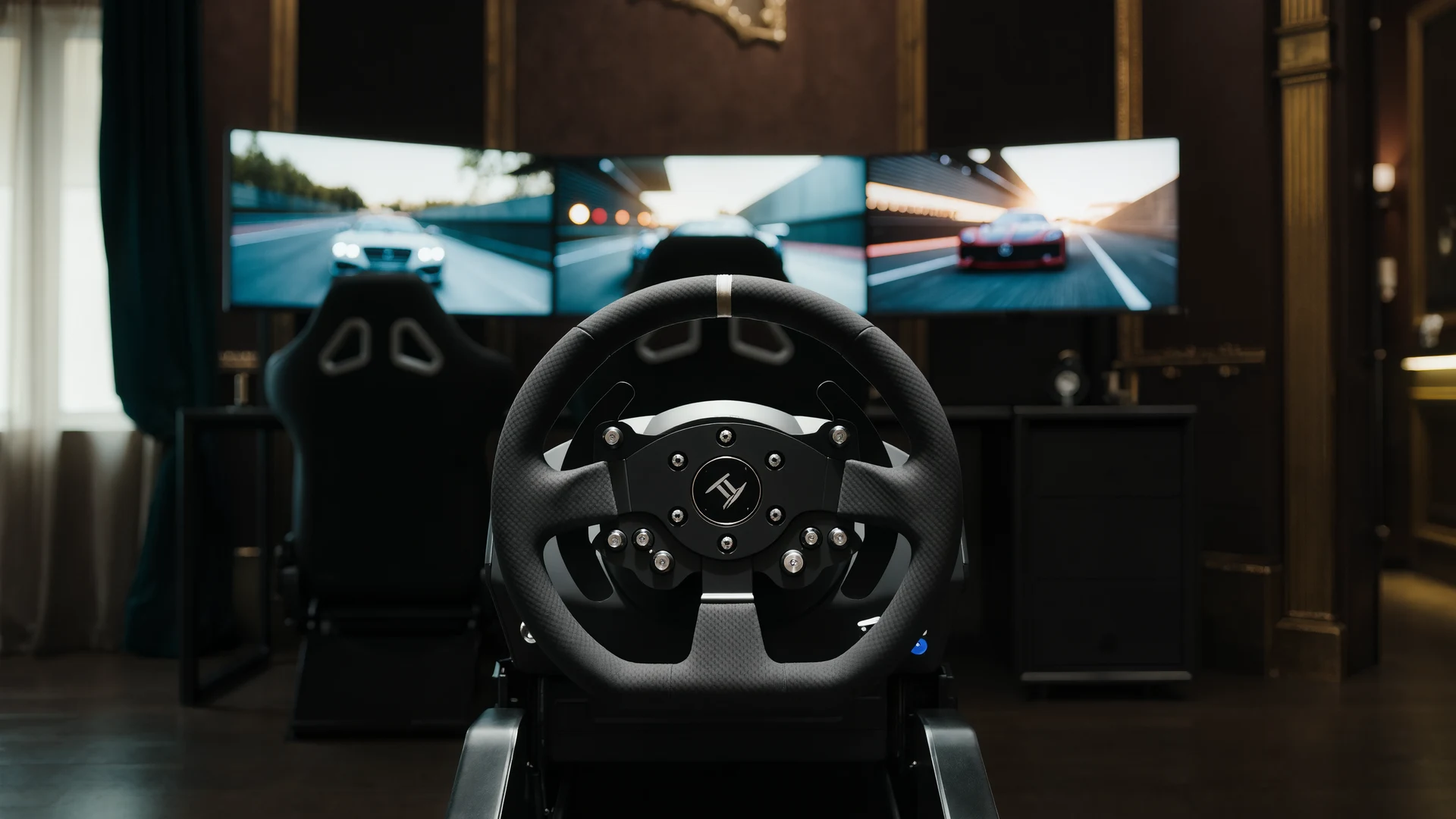
Sim Racing VR vs Triples Guide
VR vs triple monitors for sim racing in 2026: compare Quest 3, Pimax Crystal Light and triple 1440p setups on field of view, depth, comfort, cost and …
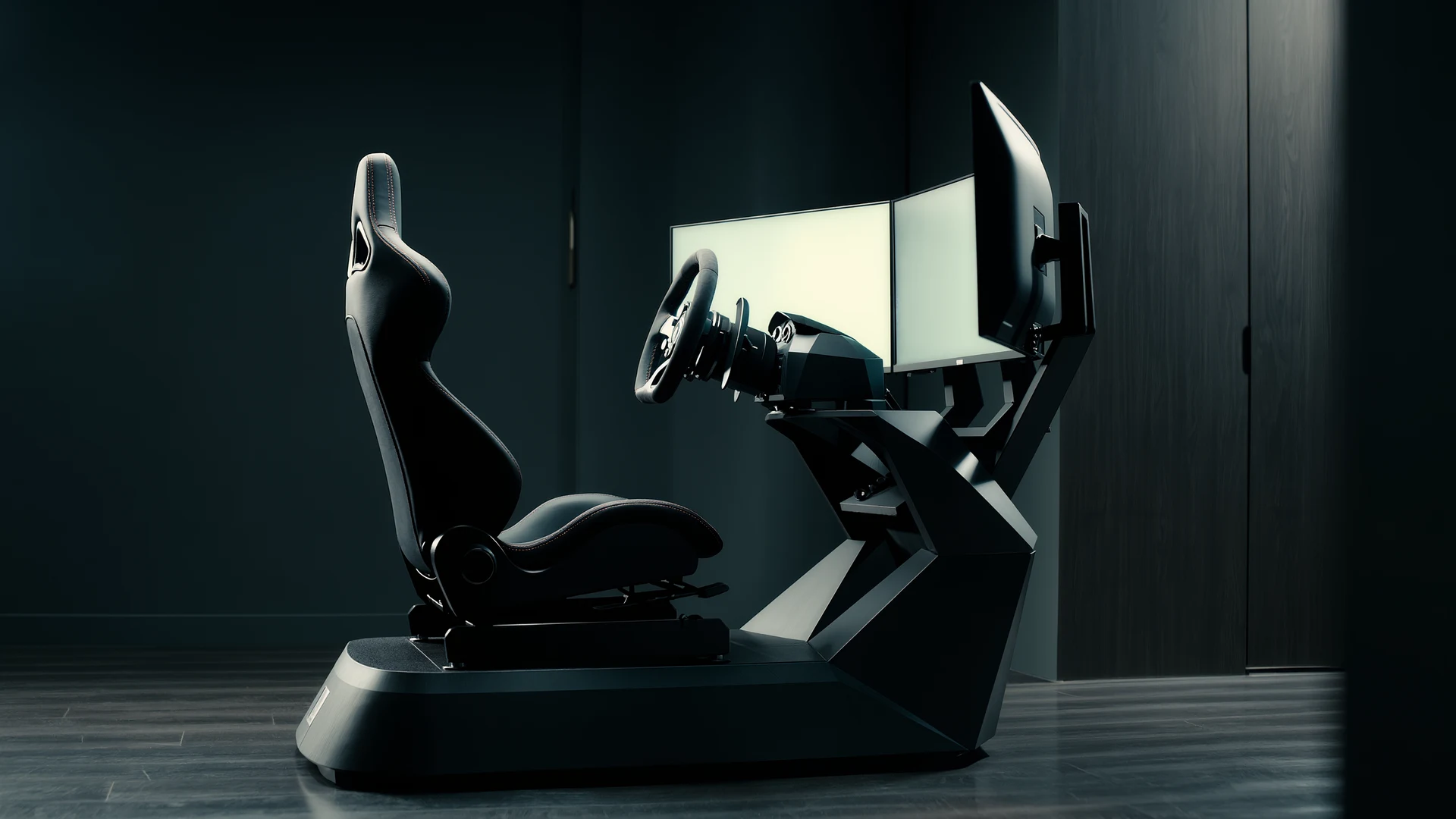
Sim Racing Motion Platforms Guide
Sim racing motion platforms guide: compare seat movers, chassis movers, D-BOX, PT Actuator, and bass shakers, with prices from $150 to $20,000-plus an…
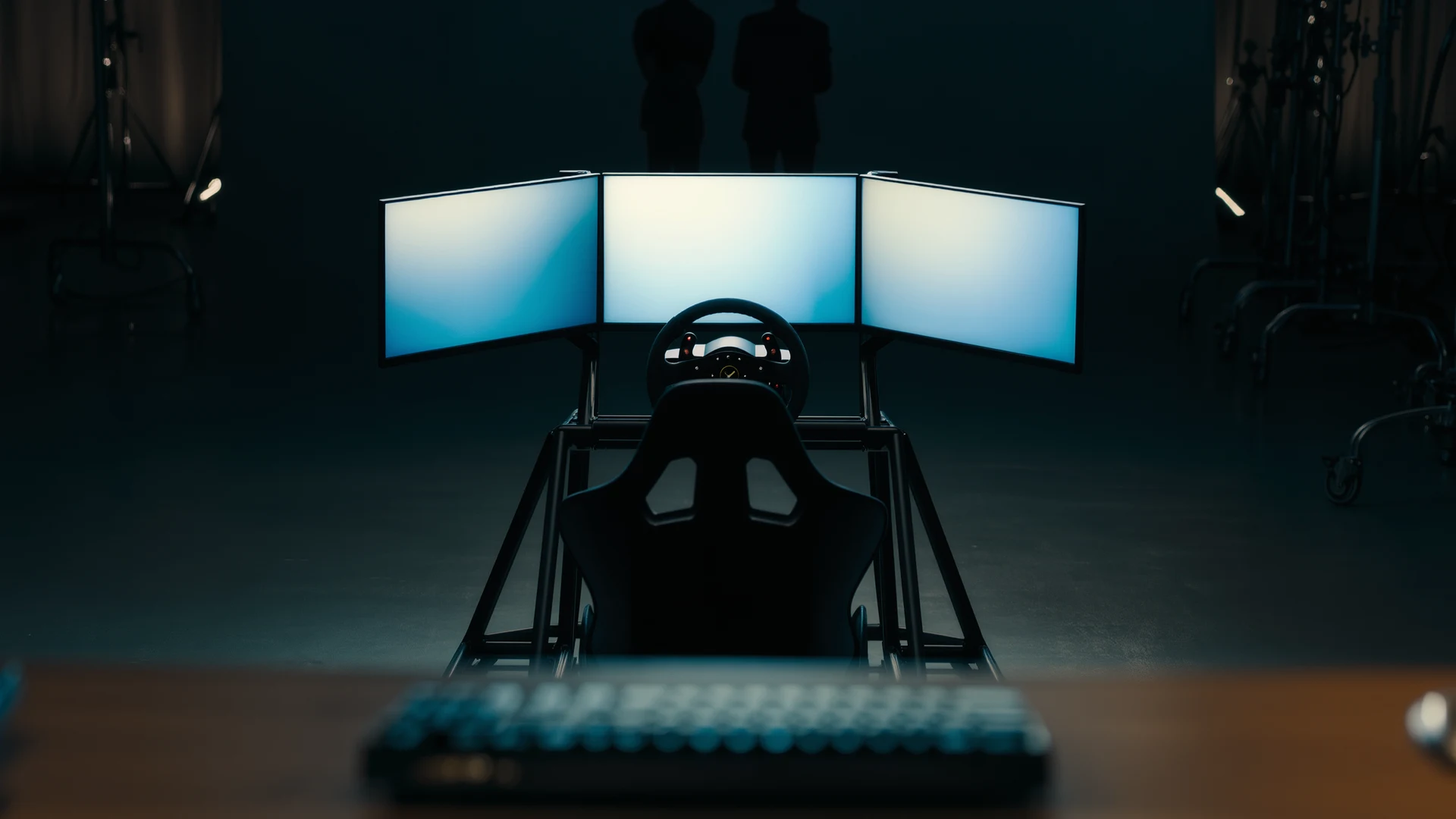
Sim Racing Cockpit Setup Guide
Sim racing cockpit setup guide: compare folding rigs, wheel stands, full cockpits and aluminum profile, plus seats, ergonomics and field-of-view tips.…