Ultimate Racing Seat Cockpit for Maximum Performance
So, you’re looking for that ultimate racing seat cockpit to elevate your sim racing? In short, it’s about a sturdy, adjustable chassis that allows you to mount a comfor…
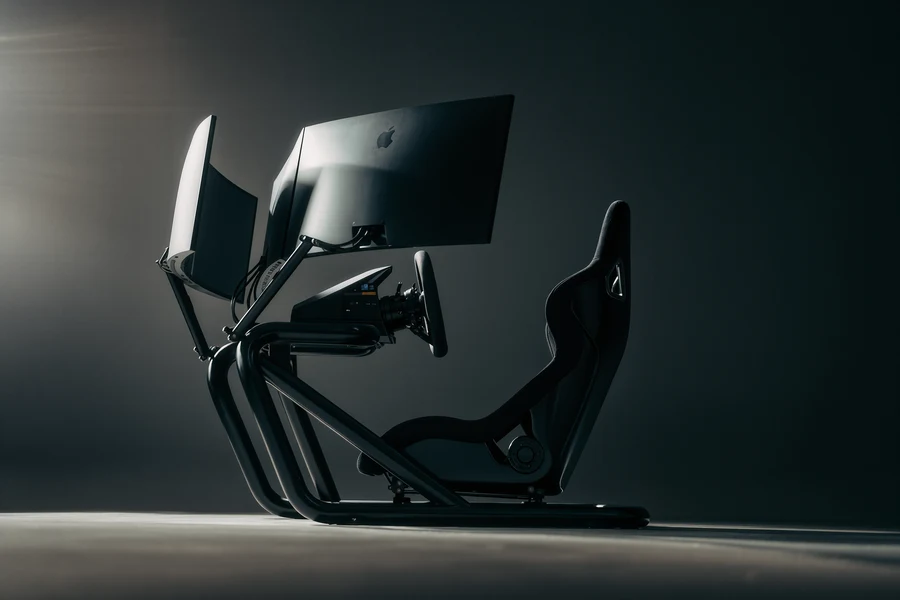
So, you’re looking for that ultimate racing seat cockpit to elevate your sim racing? In short, it’s about a sturdy, adjustable chassis that allows you to mount a comfortable, supportive bucket seat, pedals, and a wheel directly, creating an immersive and consistent driving position. It’s the closest you’ll get to being in a real race car right in your own home, making those practice laps and races feel much more authentic and helping you perform better.
Why a Dedicated Cockpit Matters
When you’re serious about sim racing, using a desk and office chair just doesn’t cut it. A dedicated cockpit locks everything in place. No more foot pedals sliding around, no more wheel clamp loosening mid-race. This stability is crucial for muscle memory and consistency. You want to be focusing on the track, not battling your equipment. Plus, the proper seating position reduces fatigue, allowing for longer, more focused sessions. It’s an investment in your performance and enjoyment.
The Foundation: Chassis and Frame
The backbone of any good racing cockpit is its chassis. This is where stability, adjustability, and compatibility all come together.
Material Matters
- Steel: A common and robust choice, steel frames offer excellent rigidity and durability. They can be a bit heavier, but that often translates to less flex. Welded steel frames are usually more stable than bolted ones, though bolted frames offer more adjustability in some designs.
- Aluminum Profile (80/20): This is the current gold standard for serious sim racers. Aluminum extrusion allows for incredible modularity and adjustability. You can slide components along the profiles, add new mounts, and essentially custom-build your cockpit as your needs evolve. It’s lighter than steel but incredibly strong when assembled correctly. While it might cost more upfront, the long-term flexibility is unmatched.
- Wood/PVC (DIY): For the truly budget-conscious or DIY enthusiast, wood or PVC can be viable. However, these often lack the rigidity and adjustability of commercial solutions and might not withstand the forces generated by high-end direct drive wheels and load cell pedals.
Design and Footprint
Cockpits come in various layouts. Some are compact, designed for smaller spaces, while others are large, open frames that can accommodate a full range of peripherals. Consider your available room.
- Compact Designs: These often integrate the wheel and pedal mounts into a single, more enclosed structure. Great for smaller rooms but can sometimes limit future upgrades or extreme adjustability.
- Open Frame (e.g. 80/20): These are far more adaptable. The open structure allows for precise positioning of every component and easy expansion. You can move the wheel deck up, down, forward, back, same for pedals, and even add shifter mounts, handbrake mounts, and monitor stands directly to the frame.
Rigidity and Flex
This is paramount. A flexy chassis will negate all the benefits of high-end force feedback and sensitive pedals. When you stomp on the brake, you don’t want the pedal plate bending. When your direct drive wheel is providing strong feedback, you don’t want the wheel deck oscillating. Always prioritize a cockpit known for its stiffness. Reviews often highlight this crucial aspect.
Seating for Endurance and Comfort
The seat is where you’ll spend all your time, so comfort and support are non-negotiable. A good racing seat keeps you securely in place, even under heavy braking or aggressive steering, and prevents fatigue.
Type of Seats
- Bucket/Racing Seats: These are designed for optimal support, hugging your body and keeping you firmly in position. They come in various sizes and materials.
- FIA Approved (Real Race Car Seats): If you want the absolute real deal, these are built for crashes and extreme forces. They are usually expensive, very rigid, and can be uncomfortable for long sessions without additional padding. They often require specific side mounts.
- Sim Racing Bucket Seats: These are designed for sim racing. They offer excellent support and comfort, often with more padding than true FIA seats. They come in fiberglass or composite shells, sometimes with adjustable recline.
- Reclining Sport Seats: These offer a compromise between a full bucket seat and a regular car seat. They usually have more adjustability in the backrest, which can be a plus for comfort but might compromise rigidity slightly compared to a fixed-back bucket seat.
- Hybrid Solutions (e.g. Gaming Chairs with Frame): Some entry-level cockpits come with integrated gaming-style chairs. While better than an office chair, they often don’t provide the same level of lateral support or stability as a dedicated racing seat built for a cockpit.
Upholstery and Padding
- Fabric/Cloth: Breathable and generally comfortable for longer sessions.
- Vinyl/PU Leather: Easy to clean but can get warm and sticky during intense races.
- Alcantara/Suede: Premium feel, good grip, but requires more careful maintenance.
Adjustability and Mounting
Ensure the seat can be mounted securely to your chosen chassis. Most cockpits use standard automotive seat sliders, allowing fore-aft adjustment. Some seats also offer tilt or height adjustment. The ability to fine-tune your seating position is vital for ergonomics and comfort. Look for cockpits that offer a wide range of mounting patterns to accommodate different seat brands.
Wheel Deck and Pedal Plate Optimization
These are the primary interfaces for control, so their design and adjustability are critical for precision and immersion.
Wheel Deck Considerations
- Rigidity is Key: Especially with direct drive wheels, a flexy wheel deck will dampen force feedback and introduce unwanted movement. Look for thick steel or aluminum profile construction.
- Adjustability: You need to be able to adjust the wheel’s height, distance (fore-aft), and angle (tilt). This allows you to find the perfect ergonomic position regardless of your body shape or preferred driving style. Some advanced cockpits even allow for lateral adjustment.
- Compatibility: Ensure the wheel deck has pre-drilled holes or slot systems to mount your specific wheel base directly and securely. Generic mounts are okay, but direct mounting is always better.
- Shifter/Handbrake Mounts: Many cockpits offer integrated or optional mounts for shifters and handbrakes. These should also be adjustable and rigid, allowing you to position them naturally within reach. If you plan on using these peripherals, ensure the cockpit supports them robustly.
Pedal Plate Precision
- No Flex Allowed: When you apply strong braking pressure with a load cell pedal, the pedal plate absolutely must not flex. Any give will compromise consistency and feel. Thick steel or aluminum is essential here.
- Angle and Distance Adjustment: The ability to adjust the angle of the pedal plate is crucial for comfort and ergonomics, mimicking different car layouts (e.g. F1 vs. GT). Being able to adjust the distance from the seat is also important.
- Heel Rest: A comfortable and stable heel rest area is often overlooked but important for long sessions.
- Compatibility: Like the wheel deck, the pedal plate should have pre-drilled holes or slots for direct mounting of popular pedal sets. This prevents unwanted movement and ensures a solid connection.
Integration with Displays and Peripherals
A truly ultimate cockpit doesn’t just hold your seat and controls; it integrates your visual and tactile feedback systems seamlessly.
Monitor Mounting Solutions
- Direct-to-Cockpit Mount: Many high-end cockpits offer integrated monitor stands. This is often the best solution for single monitors, as it securely attaches the display directly to the rigid frame, eliminating screen wobble and allowing adjustments to bring the monitor right up to your wheel base for maximum immersion and an accurate field of view (FOV).
- Triple Monitor Stands (Integrated or Standalone): For ultimate immersion, triple monitors are a game-changer.
- Integrated: Some cockpits offer robust triple monitor mounts that attach directly to the cockpit frame. This can be more stable and allow for tighter positioning of the screens.
- Standalone: A separate triple monitor stand is another option. This allows for easier movement of the cockpit without moving the monitors, but it might introduce a slight gap or misalignment if not perfectly positioned. Whichever you choose, ensure it’s sturdy enough to prevent screen sag or wobble.
- Ultrawide/Super Ultrawide Support: Ensure the mount can handle the weight and size of these larger displays if that’s your preference. VESA mounting compatibility is standard.
Keyboard and Mouse Trays
Don’t underestimate the utility of these. You’ll need to interact with your PC, change settings, or chat with friends. A sturdy, adjustable keyboard and mouse tray that can swing out of the way when not in use is a huge convenience. Ideally, it should attach directly to the cockpit frame.
Speaker/Audio Integration
Many sim racers opt for headphones, but for some, a surround sound system can enhance immersion. Consider cockpits that offer mounting points for small speakers or space to place larger ones. Tactile transducers (shakers) are another dimension of immersion; ensure there are mounting options or space for these under the seat or elsewhere on the frame.
Accessories and Customization Potential
The beauty of a well-designed racing cockpit is its potential for expansion and personalization.
Shifter and Handbrake Mounts
As mentioned earlier, dedicated mounts for these peripherals are important. They should be independently adjustable for height, angle, and distance to suit your preference, whether you’re racing rally, drifting, or touring cars.
ButtKickers/Tactile Transducers
These devices add haptic feedback, simulating engine rumble, gear shifts, road texture, and impacts. Mounting options (often under the seat or directly to the frame) are a must for advanced users. Look for cockpits with flat surfaces or specific attachment points for these.
Button Boxes and Stream Deck Mounts
Many enthusiasts use external button boxes or a Stream Deck for quick access to various functions in-game. Having dedicated, adjustable mounts within easy reach helps organize your setup and keeps essential controls at your fingertips without breaking immersion.
Cup Holders and Other Luxuries
While not performance-enhancing, a secure cup holder can be a nice touch for those longer sessions. Similarly, phone holders or small storage trays can add to the overall convenience and tidiness of your setup.
Future-Proofing and Modularity
This is where aluminum profile cockpits truly shine. You’re not just buying a cockpit; you’re buying a platform. You can easily add more profiles, extend mounts, swap out components, and adapt it to new peripherals as they come out or as your racing style evolves. This modularity means your initial investment lasts longer and grows with you. Even some higher-end steel cockpits offer good upgrade paths, so always check what additional accessories are available from the manufacturer.
Building Your Ultimate Cockpit: Tips and Considerations
Budget Wisely
Cockpits range from a few hundred dollars to several thousand. Decide on your budget first, but prioritize rigidity and adjustability within that budget. Remember, a good cockpit can last for years, potentially outliving several wheel and pedal sets.
Read Reviews and Watch Videos
Before buying, scour online forums, YouTube reviews, and product descriptions. Look for real-world user experiences, especially regarding rigidity, ease of assembly, and adjustability. Pay attention to feedback from users with similar wheel and pedal setups to yours.
Measure Your Space
Seriously, get out the measuring tape. Consider the cockpit’s footprint, how much space you need around it for entry/exit, and how it will integrate with your existing room layout. Also, measure your own body, arm reach, leg length, to ensure the cockpit can adjust to your ergonomics.
Assembly Can Be a Project
Especially with aluminum profile cockpits, assembly can take time and requires some patience. Be prepared for a bit of a DIY project. Some manufacturers offer pre-assembled sections, which can save time but often cost more in shipping.
Don’t Forget the Small Details
Cable management solutions (clips, channels) can make a huge difference in tidiness and safety. Anti-slip pads under the cockpit can prevent it from sliding on hard floors. Consider investing in a good quality ratcheting wrench set if your cockpit uses many bolts.
Test, Adjust, Repeat
Once assembled, don’t just jump into a race. Spend time adjusting everything, seat position, wheel height/distance/angle, pedal angle/distance. Even small tweaks can make a big difference in comfort, control, and ultimately, your performance. Remember to take breaks and come back to it with fresh eyes.
Ultimately, your ultimate racing seat cockpit should feel like an extension of yourself. It should fade into the background, allowing you to focus entirely on the race. It’s not just about flashy looks; it’s about unparalleled stability, precise adjustability, and enduring comfort that elevates every sim racing session. Invest wisely, and you’ll be enjoying faster lap times and a more immersive experience for years to come.
FAQs
What is a racing seat cockpit?
A racing seat cockpit is a specialized seating arrangement designed for racing simulators and gaming setups. It typically includes a racing seat, a frame to mount steering wheels and pedals, and sometimes additional accessories for an immersive racing experience.What are the benefits of using a racing seat cockpit?
Using a racing seat cockpit can provide a more realistic and immersive racing experience for gamers and sim racers. It can also improve comfort and stability during long gaming sessions, as well as enhance the overall performance and control while racing.What features should I look for in a racing seat cockpit?
When choosing a racing seat cockpit, it’s important to consider the adjustability of the seat, the sturdiness of the frame, compatibility with different gaming consoles and steering wheels, and additional features such as built-in mounts for monitors or speakers.How do I set up a racing seat cockpit?
Setting up a racing seat cockpit typically involves assembling the frame, mounting the racing seat, steering wheel, and pedals, and adjusting the position and angle of the components to fit the user’s preferences. It’s important to follow the manufacturer’s instructions for proper installation and adjustment.Are racing seat cockpits compatible with different gaming platforms?
Many racing seat cockpits are designed to be compatible with a wide range of gaming platforms, including PC, PlayStation, Xbox, and more. However, it’s important to check the compatibility of the specific model with the gaming platform you intend to use before making a purchase.More from Cockpits & Rigs
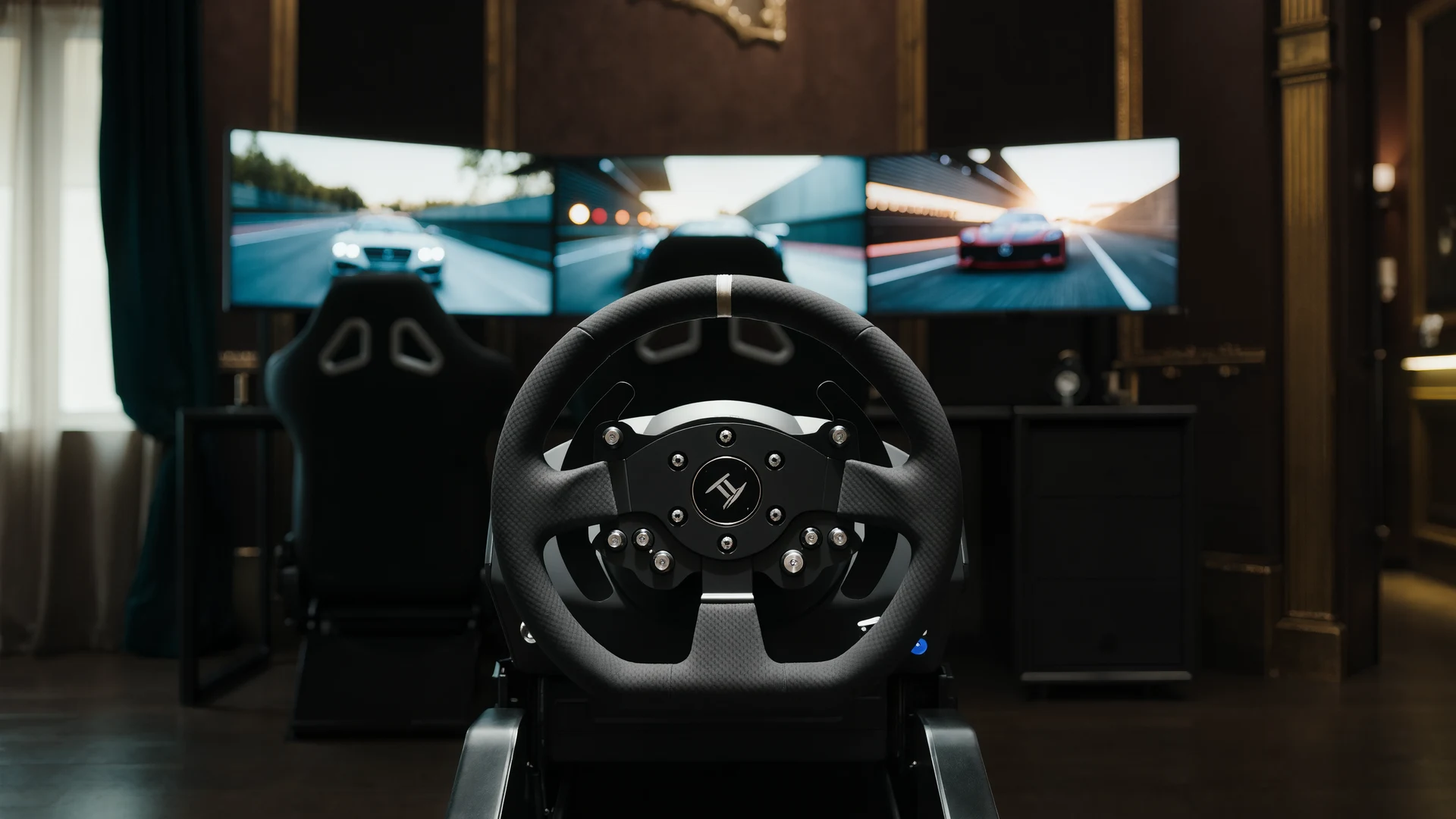
Sim Racing VR vs Triples Guide
VR vs triple monitors for sim racing in 2026: compare Quest 3, Pimax Crystal Light and triple 1440p setups on field of view, depth, comfort, cost and …
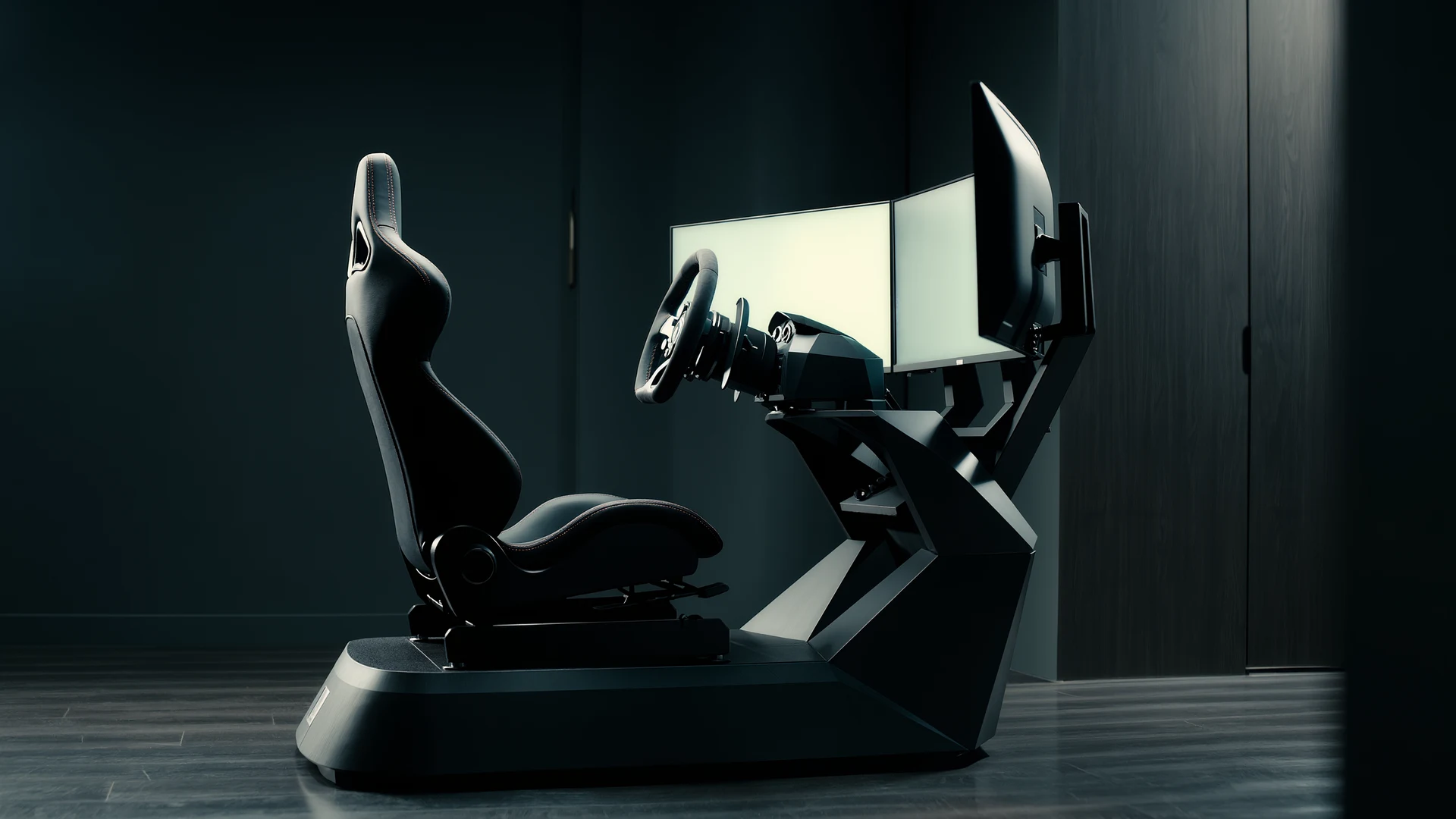
Sim Racing Motion Platforms Guide
Sim racing motion platforms guide: compare seat movers, chassis movers, D-BOX, PT Actuator, and bass shakers, with prices from $150 to $20,000-plus an…
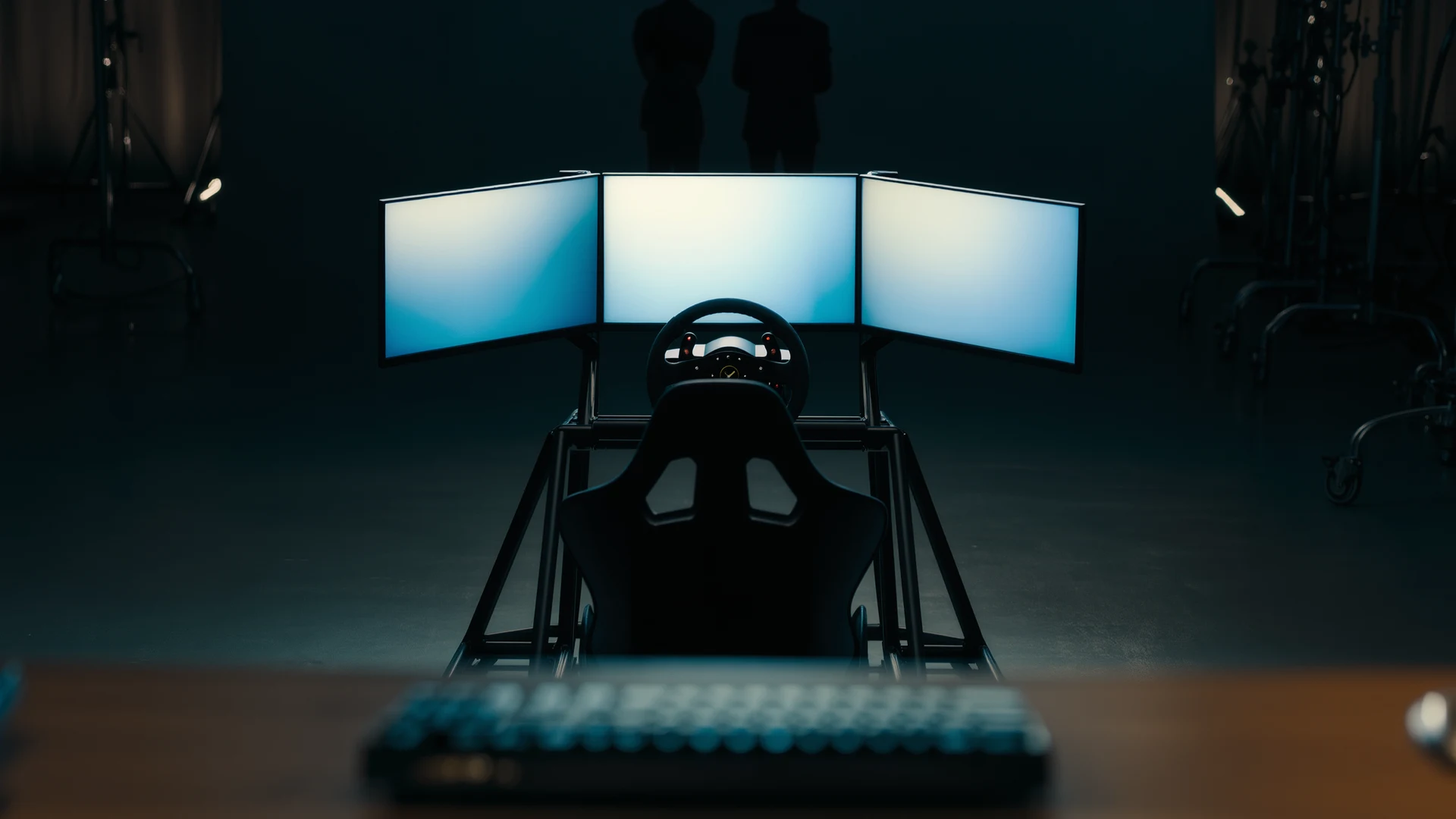
Sim Racing Cockpit Setup Guide
Sim racing cockpit setup guide: compare folding rigs, wheel stands, full cockpits and aluminum profile, plus seats, ergonomics and field-of-view tips.…