Ultimate Sim Racing Cockpit: The Perfect Setup for Virtual Racing
So, what makes an “ultimate” sim racing cockpit? It’s not just about having the biggest wheel or the most screens. It’s about finding the sweet spot between…
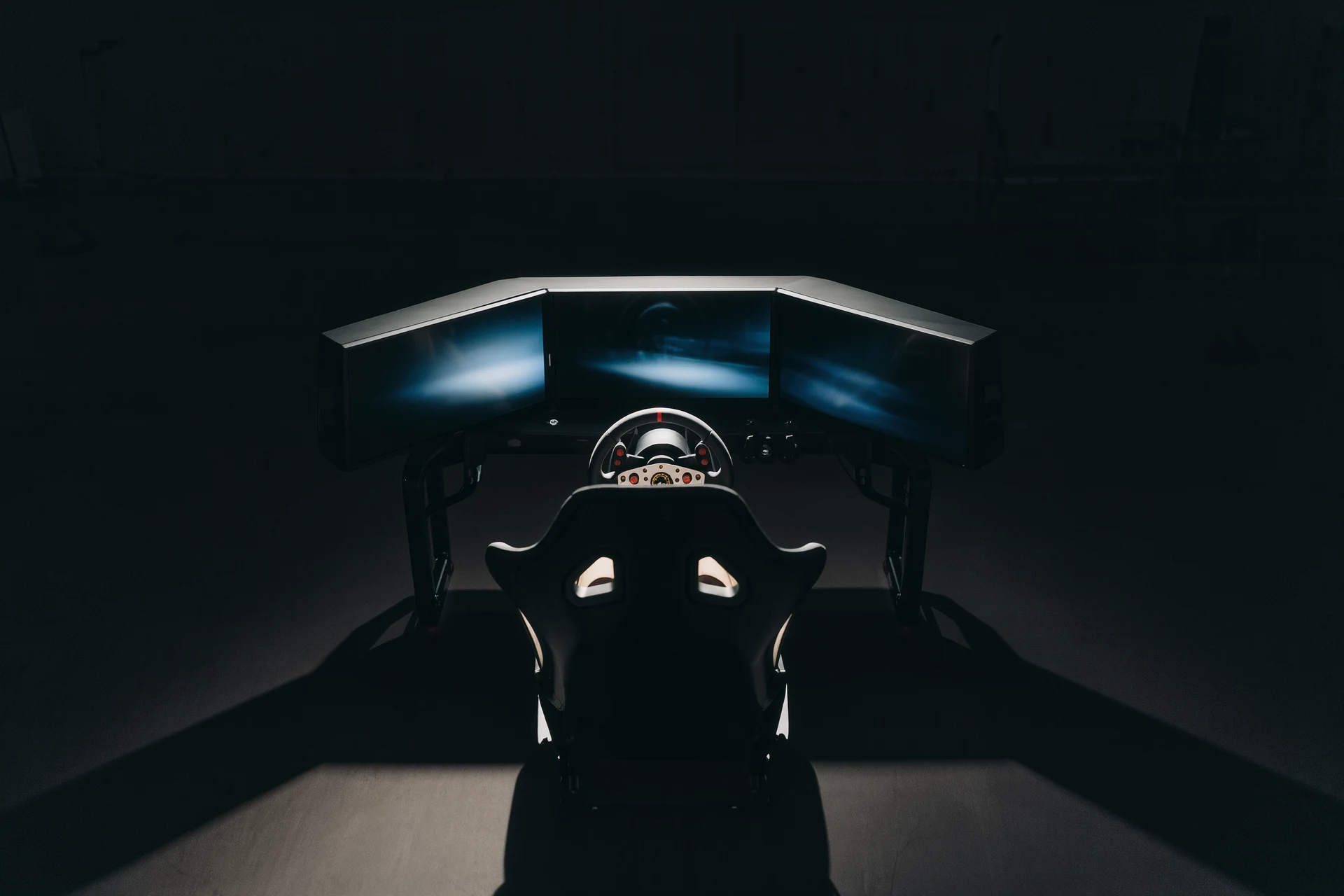
So, what makes an “ultimate” sim racing cockpit? It’s not just about having the biggest wheel or the most screens. It’s about finding the sweet spot between your needs, your budget, and what actually helps you go faster and feel more immersed. Think of it as tailoring a high-performance suit for your virtual racing self.
There’s no single “perfect” setup because everyone’s different. What’s ultimate for a beginner on a budget will look very different from what a seasoned pro with a dedicated room needs. But, by breaking down the key components and considering how they work together, you can build a setup that truly elevates your sim racing experience.
The Foundation: Choosing Your Rig
This is where it all begins. Your rig is the skeleton of your sim racing world. Getting this right sets the stage for everything else.
Understanding Rig Types
You’ve got a few main categories to consider, and each has its pros and cons.
Aluminum Extrusion Rigs
These are the workhorses of the sim racing world for many. Think of them like advanced Lego for adults.
- What they are: Made from T-slot aluminum profiles (often called 80/20 rigs), these are incredibly versatile and strong. You can bolt pretty much anything to them and reconfigure them endlessly.
- Why consider them: Durability is a massive plus. They can handle loads of force feedback and pedal resistance. Plus, they offer fantastic adjustability. If you like tinkering and want something that can grow with you, this is a top contender.
- The flip side: They can be a bit of an investment upfront, and assembly requires some basic tools and patience. They also might not look as “sleek” as some other options out of the box, though you can dress them up.
Metal Tube Rigs
These are often seen as a good middle ground, balancing cost and performance.
- What they are: Constructed from welded or bolted steel or aluminum tubing. They provide a solid structure without necessarily the infinite modularity of extrusion.
- Why consider them: They’re generally more affordable than full extrusion rigs and offer good rigidity for most wheels and pedals. Many come pre-assembled or with simpler assembly instructions.
- The flip side: Adjustability might be more limited compared to extrusion. You’re usually buying a fixed design, and significant modifications can be trickier.
Pre-built / Integrated Rigs
These are ready-to-go solutions that often incorporate a seat as well.
- What they are: Companies produce complete packages, sometimes called “playseats” or integrated cockpits, that include a frame and often a racing seat.
- Why consider them: Convenience is the big draw. You buy one thing, and it’s mostly set. They are also often designed with specific aesthetics in mind.
- The flip side: You’re generally locked into their design. Adjustability can be very limited, and the seat might not be the most comfortable for long sessions. Upgrading components can also be more challenging.
The Importance of Rigidity
No matter what type of rig you choose, rigidity is paramount.
- Force feedback: A flimsy rig will flex and twist under the torque of a strong direct drive wheel. This wastes that precious feedback and makes the car feel disconnected from the road.
- Pedals: When you stomp on a stiff brake pedal, you want the rig to stay put. If it flexes, you lose that precise control and can even upset your balance.
- Immersion: A solid, locked-down rig replicates the feeling of being in a real car. Any wobble or flex breaks that illusion.
Mounts Matter
Don’t forget the mounts. These are what attach your wheel and pedals to the rig.
- Wheel mounts: Ensure they can handle the torque of your wheel without flexing. Direct drive wheels, especially, demand robust mounts.
- Pedal mounts: These need to be sturdy and adjustable. You want to position your pedals exactly where they feel natural and allow proper braking technique.
Steering the Ship: Your Wheel and Pedals
This is your primary input. Getting this right is crucial for control and feeling.
Steering Wheels: More Than Just a Rim
The wheel is how you communicate with the car. It’s where you’ll feel the road, the tires, and the car’s limits.
Direct Drive Wheels (DD)
This is the king of force feedback.
- What they are: The motor is directly connected to the steering shaft. There are no gears or belts to dampen the signal.
- Why consider them: Unparalleled fidelity. You feel every nuance of the road surface, the grip of the tires, and subtle weight transfers in the car. This allows for much finer control and quicker reactions.
- The flip side: They are the most expensive option, require a very sturdy rig to handle the torque, and can generate significant heat.
Belt-Driven Wheels
A solid middle ground for many.
- What they are: Uses a belt system to transfer motor force to the steering shaft.
- Why consider them: Offers a good balance of force feedback quality and price. They’re generally quieter than gear-driven wheels and provide a smoother feel than older gear systems.
- The flip side: Some fidelity is lost compared to direct drive due to the belt system. It’s not as direct a connection.
Gear-Driven Wheels
The most budget-friendly option.
- What they are: Uses gears to transfer motor force.
- Why consider them: Very affordable and can provide decent feedback. They’re a great entry point for new sim racers.
- The flip side: Often the loudest and can feel less smooth or nuanced than belt or direct drive systems.
Pedals: Your Digital Feet
Don’t underestimate the importance of pedals. They’re not just “go” and “stop.”
Load Cell Pedals
These are game-changers for braking.
- What they are: Measure the force you apply, not just the distance the pedal travels. This means you press them with actual leg pressure, just like in a real car.
- Why consider them: Incredibly intuitive and precise for braking. You develop muscle memory for braking pressure, leading to more consistent lap times and better control in demanding braking zones.
- The flip side: They are more expensive than potentiometer pedals and require a very robust rig to mount them securely.
Potentiometer Pedals
The standard for many entry-level setups.
- What they are: Measure pedal travel using a variable resistor (potentiometer).
- Why consider them: Affordable and widely available. They work perfectly well for many users and for casual racing.
- The flip side: Braking can feel less natural. You’re essentially pressing a button that gets more “on” rather than feeling a specific pressure. It’s harder to develop fine control.
Pedal Placement and Angle
This is more about comfort and ergonomics than just the pedal type.
- Heel-and-toe: If you want to practice heel-and-toe shifting, your accelerator and brake pedal need to be positioned correctly for your foot.
- Braking posture: Some drivers prefer a more upright seating position with pedals at a slight angle, while others like a reclined position with pedals more horizontal. Experiment to find what works for you.
- Adjustability: Rigs and pedal plates that offer angle and spacing adjustments will be invaluable here.
Seeing is Believing: Your Display Setup
How you see the action directly impacts your awareness and reaction time.
Single Ultrawide Monitor
A popular choice for good reason.
- What it is: A single monitor with a very wide aspect ratio (e.g. 21:9 or 32:9).
- Why consider it: Offers a much wider field of view than a standard monitor, significantly increasing immersion and peripheral awareness. It’s a good balance of cost and immersion.
- The flip side: It doesn’t wrap around you like triple screens, so you still miss out on some peripheral vision. The edges of the screen can sometimes be distorted.
Triple Monitors
The “gold standard” for many.
- What they are: Three monitors set up to create a wide, wrap-around view.
- Why consider them: The closest you can get to a real-world field of vision without VR. This provides excellent depth perception and peripheral information, which is invaluable for judging braking points and apexes.
- The flip side: They are expensive, require significant desk or rig space, and can be challenging to set up without distortion. You’ll also need a powerful graphics card to drive them all smoothly.
Virtual Reality (VR) Headsets
The ultimate in immersion for some.
- What it is: A headset that places a screen in front of each eye, creating a 3D environment.
- Why consider it: Unmatched immersion and a sense of presence. You feel truly in the car. It’s also a great solution for smaller spaces as it doesn’t require physical screen real estate.
- The flip side: Can cause motion sickness for some. Resolution and “screen door effect” can vary. You also lose touch with your physical surroundings, which can be a minor inconvenience. Performance demands can be high.
Monitor/VR Placement and Viewing Angle
This is about optimizing what you see.
- Field of view (FOV): Critically important for accurately judging distances and speeds. Many sim racing titles allow you to adjust this. The ideal FOV aims to replicate your real-world view.
- Placement: For monitors, you want them as close to your wheel as possible, ideally at a slight angle, so the edges of the screens don’t feel too far away. The center screen should be slightly above eye level.
- VR comfort: Ensuring the headset is properly adjusted for weight distribution and interpupillary distance (IPD) is vital to prevent eye strain and nausea.
Bringing it All Together: The Chair and Ergonomics
You’ll be spending hours in your sim rig, so comfort and proper posture are non-negotiable.
Racing Seats
More than just a place to sit.
- Bucket Seats: These are designed to hold you securely in place, mimicking a real racing car. They offer good support for long sessions.
- Recliners: More comfortable for casual use and easier to get in and out of, but might lack the same lateral support during intense moments.
- Office Chairs (with caveats): While some people start with an office chair, it’s generally not ideal for a serious sim rig. They lack the necessary support and can slide around. If you must, consider a sturdy one with good lumbar support and lockable casters.
Ergonomics and Adjustability
This is where long-term comfort and performance are decided.
- Seat Position: You want your arms to be slightly bent at the elbows when holding the wheel, and your legs should also have a comfortable bend at the knees.
- Pedal Angle and Distance: As mentioned before, this needs to be right for your braking and throttle control.
- Wheel Height and Angle: The wheel should be at a height that allows you to comfortably grip it without straining your wrists.
- Lumbar Support: Crucial for preventing back pain during extended sessions. Many racing seats have adjustable lumbar support, or you can use a separate cushion.
Cable Management
It might seem minor, but it’s impactful.
- Tidiness: A clean cockpit is a more enjoyable cockpit. It’s easier to clean, less likely to snag on things, and frankly, it looks a lot better.
- Preventing snags: Loose cables can get caught on your wheel, pedals, or yourself, leading to unexpected inputs or even disconnecting components.
- Tools: Zip ties, Velcro straps, and cable sleeves are your friends here. Planning out where cables will run before you start is key.
Beyond the Basics: Enhancing Immersion
Once the core components are sorted, you can start adding those extra touches.
Shifters
For those who love the mechanical feel of changing gears.
- H-Pattern Shifters: The classic four-speed or six-speed gearbox simulation. Great for vintage racing or specific cars.
- Sequential Shifters: Pull back to downshift, push forward to upshift. Common in many modern race cars and prototypes.
- Mounting: Ensure your shifter mount is solid. A wobbly shifter is a major immersion killer.
Handbrakes
Essential for certain disciplines.
- Drifting: Absolutely crucial for controlled slides.
- Rallying: Used for handbrake turns and certain braking techniques.
- Adjustability: The resistance and throw of a handbrake can often be adjusted, allowing you to fine-tune it to your preferences.
Buttkickers / Motion Platforms
Feeling the G-forces.
- Buttkickers: These are transducers that vibrate your seat, simulating engine vibrations, gear changes, and even track surface imperfections. They add a tactile dimension that’s hard to describe until you experience it.
- Motion Platforms: These complex systems tilt and move your entire cockpit, simulating acceleration, braking, and cornering G-forces. They are the pinnacle of immersion but come with a very significant cost and space requirement.
Audio Solutions
What you hear is as important as what you see.
- Headphones: Good quality headphones are essential for clear communication in multiplayer and for picking up subtle in-game audio cues.
- Integrated Speakers: Some rigs have built-in speakers, offering a more open sound experience.
- Surround Sound Systems: For a truly immersive audio environment, a dedicated surround sound setup can be incredible, especially when combined with triples or VR.
The “Ultimate” is Personal
Ultimately, the “ultimate” sim racing cockpit isn’t about buying the most expensive gear. It’s about:
- Understanding your goals: Are you aiming for casual fun, competitive league racing, or simulating a specific type of motorsport?
- Budgeting realistically: Sim racing can be as expensive as you want it to be. Define your budget early and prioritize components.
- Prioritizing ergonomics and comfort: You won’t be fast if you’re sore and uncomfortable after 30 minutes.
- Building incrementally: You don’t need to buy everything at once. Start with the essentials and upgrade as your passion and skills grow.
By carefully considering each element, from the sturdiest rig to the most responsive pedals and the most immersive display, you can craft a sim racing setup that is perfectly tailored to you. That’s what makes it truly ultimate.
FAQs
What is a sim racing cockpit?
A sim racing cockpit is a specialized setup designed to provide a realistic and immersive experience for sim racing enthusiasts. It typically includes a racing seat, steering wheel, pedals, and mounts for various gaming peripherals.What are the benefits of using a sim racing cockpit?
Using a sim racing cockpit can enhance the overall racing experience by providing a more realistic and comfortable setup. It also allows for better control and precision during races, leading to improved performance and enjoyment.What features should I look for in a sim racing cockpit?
When choosing a sim racing cockpit, it’s important to consider factors such as adjustability, compatibility with different gaming platforms, build quality, and additional features like built-in mounts for monitors and accessories.How much does a sim racing cockpit cost?
The cost of a sim racing cockpit can vary widely depending on the brand, features, and build quality. Entry-level setups can start at around $200, while more advanced and customizable cockpits can range from $500 to over $1000.Can I use a sim racing cockpit with different racing games?
Yes, most sim racing cockpits are designed to be compatible with a wide range of racing games across various gaming platforms, including PC, PlayStation, and Xbox. However, it’s important to check for compatibility before making a purchase.More from Cockpits & Rigs
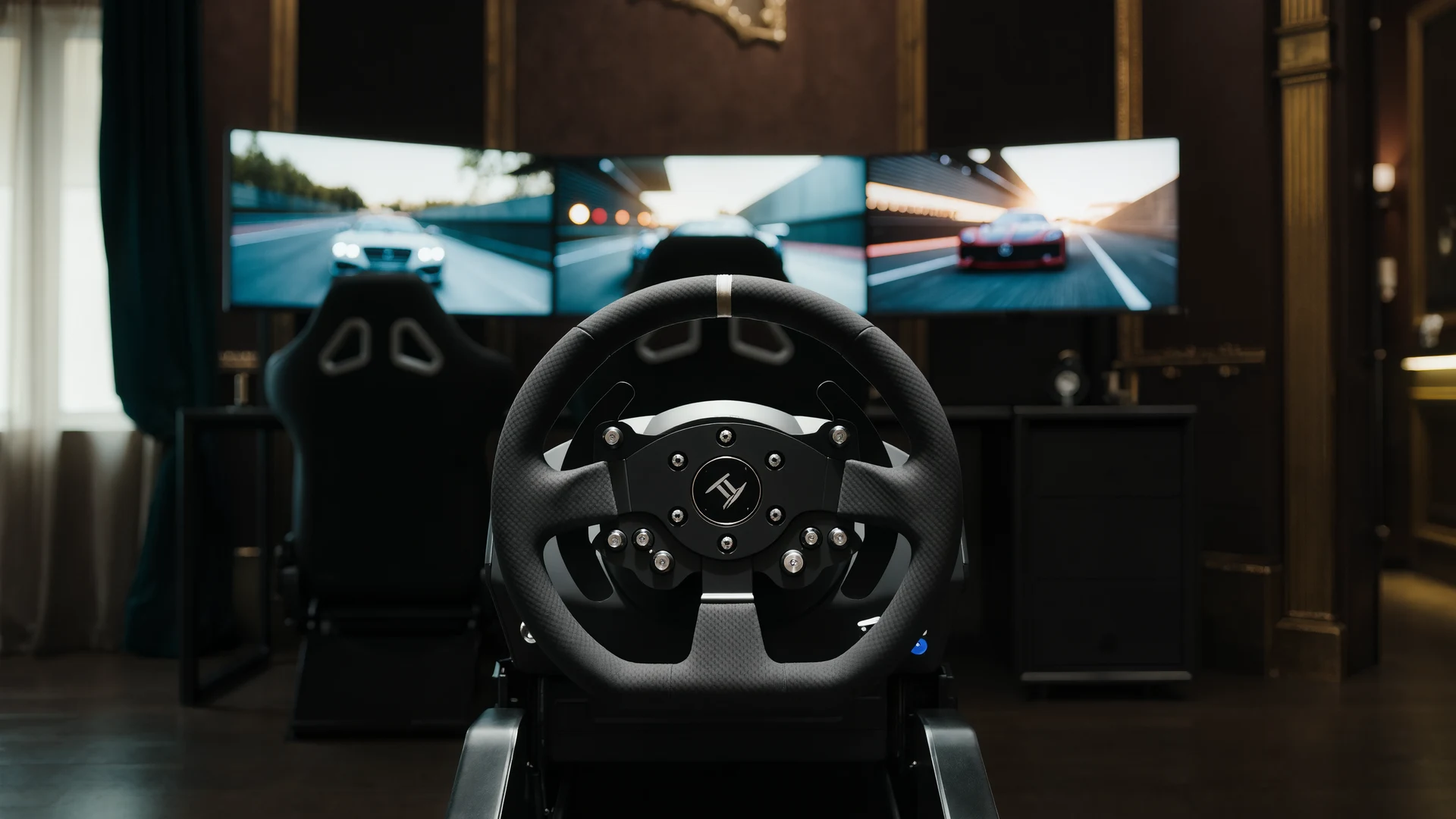
Sim Racing VR vs Triples Guide
VR vs triple monitors for sim racing in 2026: compare Quest 3, Pimax Crystal Light and triple 1440p setups on field of view, depth, comfort, cost and …
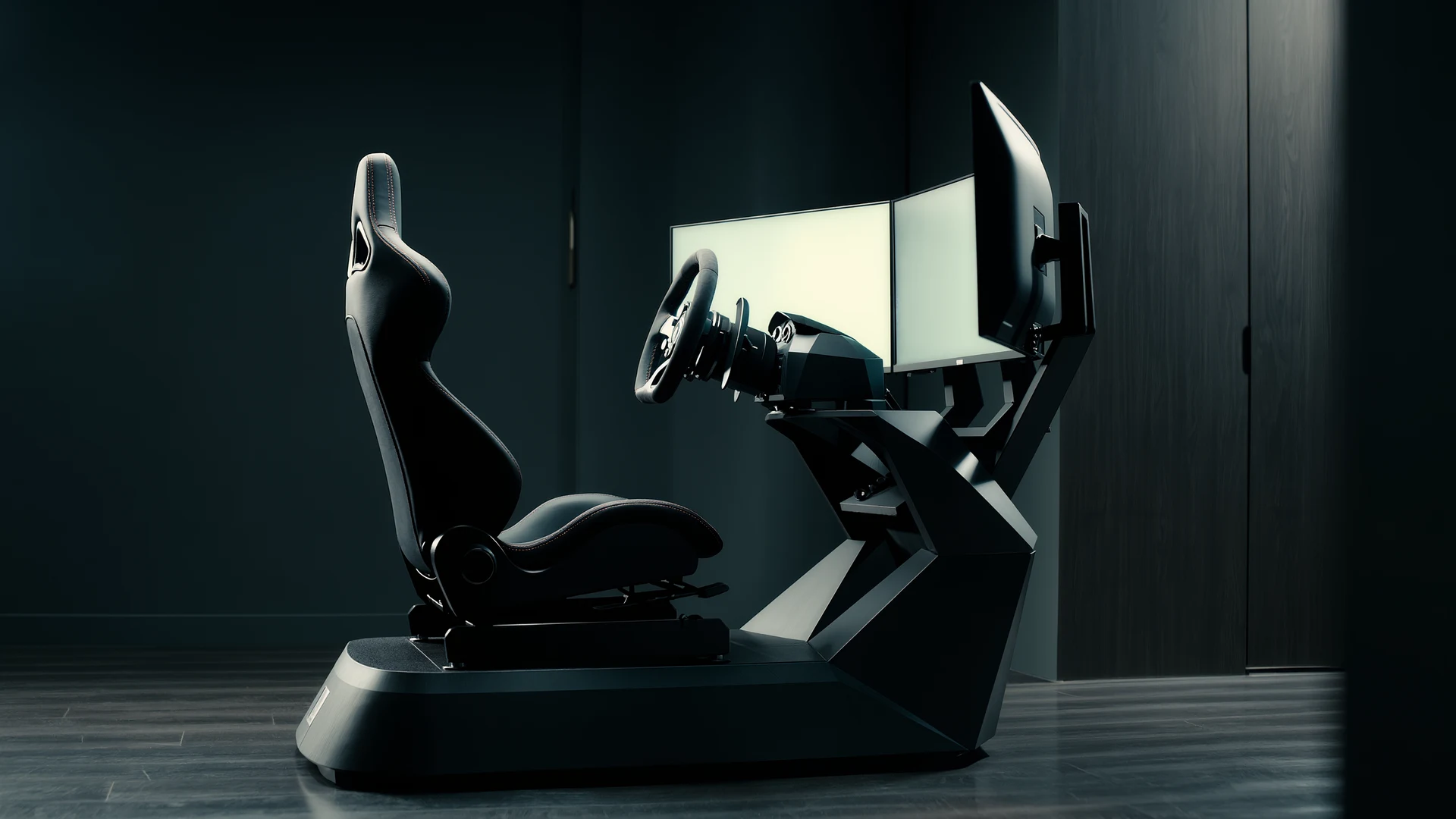
Sim Racing Motion Platforms Guide
Sim racing motion platforms guide: compare seat movers, chassis movers, D-BOX, PT Actuator, and bass shakers, with prices from $150 to $20,000-plus an…
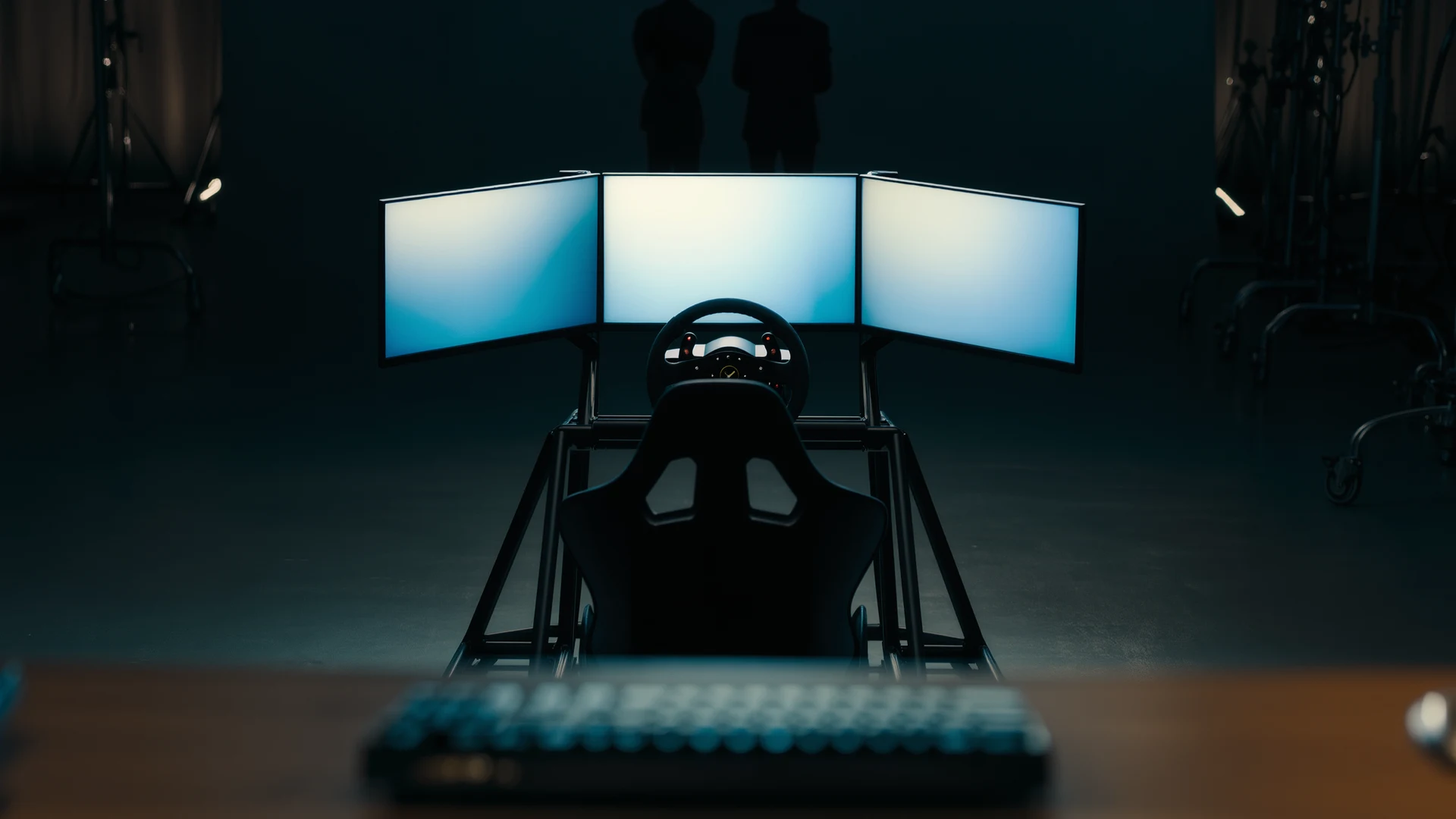
Sim Racing Cockpit Setup Guide
Sim racing cockpit setup guide: compare folding rigs, wheel stands, full cockpits and aluminum profile, plus seats, ergonomics and field-of-view tips.…