Ultimate Sim Racing Rig: The Perfect Setup for Virtual Racing
So, you’re looking to build the ultimate sim racing rig, huh? The one that feels just right and makes you forget you’re sitting in your living room? Awesome. The …
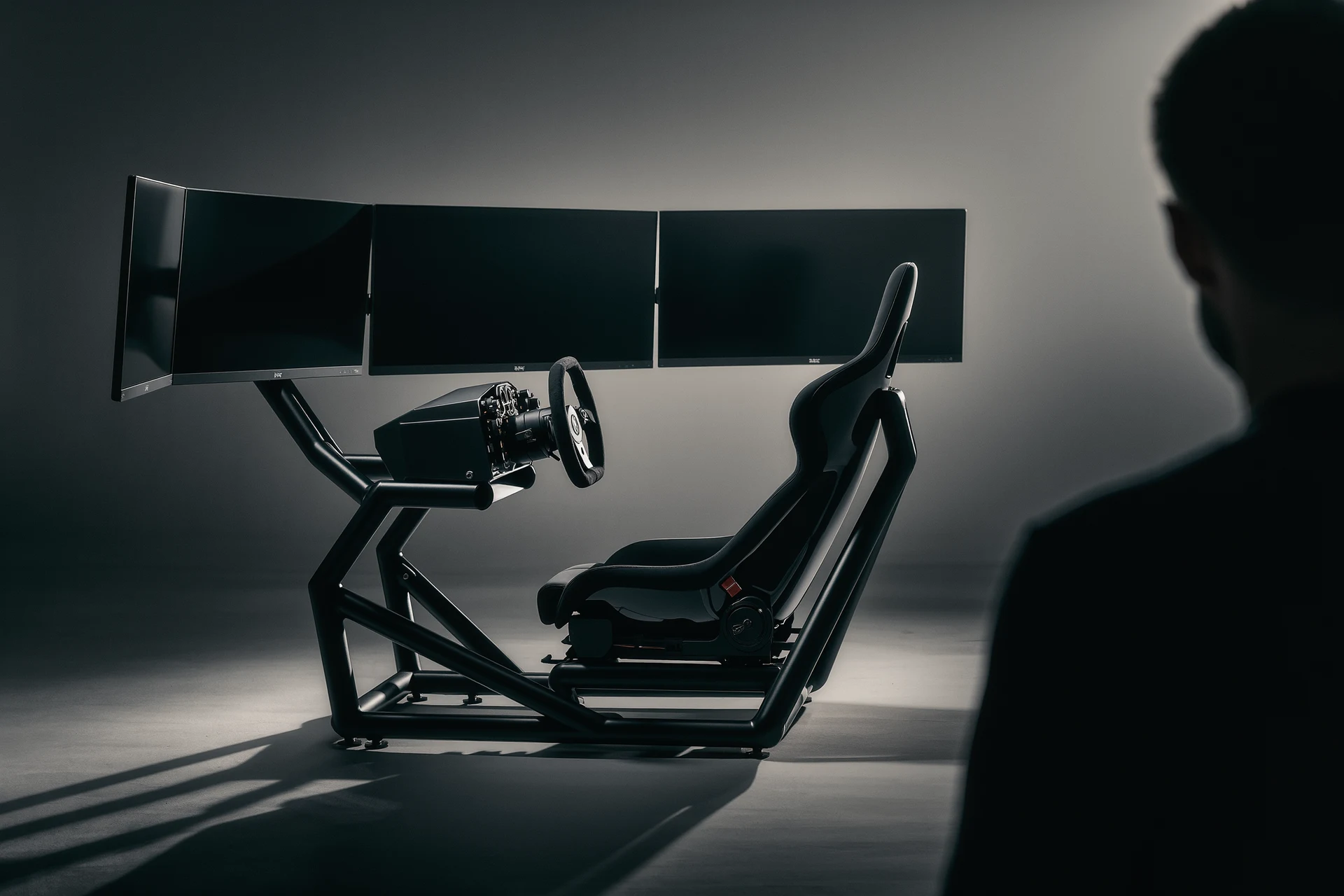
So, you’re looking to build the ultimate sim racing rig, huh? The one that feels just right and makes you forget you’re sitting in your living room? Awesome. The “perfect setup” isn’t a one-size-fits-all deal, but we can definitely nail down the key ingredients that make a rig feel truly immersive and competitive. It’s all about balancing your budget, your space, and your desire for realism. Let’s break down what goes into making a rig that’s more than just a bunch of parts bolted together, it’s your own personal race car.
This is where the magic starts. What you actually sit in and around dictates how connected you feel to the virtual track. Get this wrong, and everything else feels a bit… wobbly.
Choosing Your Rig Type
There are a few common paths you can take here, each with its pros and cons. Think about what makes the most sense for your situation.
Freestanding Rigs
These are the standalone metal or aluminum structures that house your wheel, pedals, and seat. They come in various forms, from simple wheel stands to full-blown chassis.
- Pros: Generally offer good stability and adjustability. You can often upgrade or reconfigure them. Many are designed with a relatively small footprint.
- Cons: Can still take up a decent amount of space. Some of the cheaper ones might lack rigidity when you really start pushing the force feedback.
Integrated Cockpits
These are more enclosed, often with a seat that’s part of the structure. They aim for a more car-like feel.
- Pros: Provide maximum rigidity and a very immersive experience. They often have a tidier look as cables can be better managed.
- Cons: Usually the most expensive option. Can be very large and may require dedicated space. Less flexible for reconfiguration than some freestanding options.
DIY Solutions
This is where you get creative. Think about building your own from wood, PVC pipe, or even adapting an old car seat.
- Pros: Potentially the most budget-friendly. You can tailor it precisely to your exact needs and space. It’s a rewarding project.
- Cons: Requires tools, skills, and a good amount of time. Stability and ergonomics can be challenging to get right without experience.
The Seat: More Than Just a Place to Sit
Your seat is your primary point of contact. It needs to be comfortable for long sessions and supportive enough to feel feedback.
- Racing Seats (Bucket Seats): These are designed for performance. They hold you firmly in place, which is great for feeling vibrations and forces.
- Consider: Fabric vs. leather (fabric is often more breathable), fixed vs. reclining (fixed is generally more rigid).
- Office Chairs (with caveats): Some people start with a sturdy office chair.
- Be warned: These are rarely ideal. They tend to allow too much movement, which kills immersion and can feel unstable when you’re actively racing. If you go this route, look for one with minimal wobble.
Mounting Your Gear
No matter the rig type, how you mount your wheel and pedals makes a huge difference.
- Wheel Mount: It needs to be absolutely solid. Nothing breaks an immersion faster than a wobbly wheel when you’re trying to catch a slide. Look for direct-mount options or sturdy plates that can handle the torque of your wheel.
- Pedal Mount: Similarly, pedals need to be firmly anchored. If your pedals slide around, your braking and throttle control will suffer. Many rigs offer adjustable pedal plates, which is crucial for finding the right ergonomic position.
The Nerve Center: Wheel and Pedals
This is your direct interface with the car. It’s where the feedback from the road travels to your hands and feet. Investing here pays off big time.
Choosing Your Wheel Base
The wheel base is the motor that drives your force feedback. This is arguably the most critical component for immersion.
Direct Drive (DD) Wheels
These connect directly to the steering wheel. They offer unparalleled realism and fidelity.
- Pros: The absolute best in force feedback. You feel every nuance of the track surface, tire slip, and even vibrations. Very responsive.
- Cons: Significantly more expensive. Can be quite large and heavy. Often require a very sturdy rig to handle the forces.
- Key Consideration: Torque output. Measured in Newton-meters (Nm), higher Nm means stronger and more detailed force feedback. For a serious rig, 5 Nm is entry-level for DD, with 10-20 Nm being common for enthusiasts.
Belt-Driven Wheels
These use a system of belts to connect the motor to the wheel rim. They are a step up from gear-driven wheels.
- Pros: Offer a good balance of force feedback and price. More affordable than direct drive.
- Cons: Can sometimes feel a bit “mushy” or lack the sharp detail of a direct drive thanks to the belts. Some mechanical noise can be present.
Gear-Driven Wheels
These use gears to transmit power from the motor to the wheel. They are typically the most affordable but offer the least realistic force feedback.
- Pros: Very budget-friendly.
- Cons: Can feel notchy and lack detail. Force feedback can feel artificial. Generally not recommended for a truly “ultimate” rig, but a decent starting point.
Wheel Rim Choices
The wheel rim itself is what you physically grab. Think about what kind of cars you race.
- Formula Style: Smaller, grippy rims designed for open-wheel cars. Often have lots of buttons and shifters.
- GT Style: Larger, more generic rims that mimic sports cars and touring cars.
- Drift/Rally Style: Deeper rims or those with specific grip patterns.
- Material: Leather, Alcantara, or rubber all offer different feels.
Pedals: Your Throttle, Brake, and Cluch
Pedal sets are just as important as the wheel for control and immersion.
Load Cell Pedals
These measure braking force by detecting the pressure applied, rather than just the distance the pedal travels. This is a game-changer for consistent braking.
- Pros: Incredible realism. Allows for precise braking control, mirroring real cars. You can “feel” how hard you’re braking.
- Cons: More expensive. Can require a more robust rig to mount securely, as you’ll be applying significant force.
- Key Consideration: The “load cell” is typically in the brake pedal. Some pedals have multiple load cells.
Hall Effect or Potentiometer Pedals
These use magnetic sensors (Hall effect) or standard potentiometers to measure pedal travel.
- Pros: Generally more affordable and simpler.
- Cons: Less precise than load cells, especially for braking. Can be harder to get consistent lap times.
Clutch Pedals
If you’re serious about driving manual cars in sims, a clutch is a must.
- Consider: How the clutch feels. Some are spring-loaded, others have more complex mechanisms. A good clutch pedal improves heel-and-toe downshifting and launching.
Bringing It Together: Display and Audio
The visual and auditory elements are what complete the illusion, drawing you into the sim.
The Monitor(s): Your Window to the Track
How you see the race is paramount.
Ultrawide Monitors
These offer a wider field of view, wrapping around your peripheral vision.
- Pros: Fantastic immersion. Seeing more of the track ahead and to the sides makes races feel more engaging. Good for understanding car placement.
- Cons: Can be expensive. Requires a graphics card that can handle the higher resolution and aspect ratio. May not fit all desk setups.
Triple Monitor Setups
Using three monitors to create a panoramic view.
- Pros: The ultimate in peripheral vision and immersion, mimicking a real car’s cockpit.
- Cons: Very expensive. Requires a powerful PC to run smoothly. Takes up a lot of space. Can be tricky to get the bezel gap and alignment perfect.
Single Large 4K Monitor
A single, large, high-resolution monitor can also work well.
- Pros: Less demanding on your PC than triples. Simpler setup.
- Cons: Lacks the peripheral vision of ultrawide or triples.
VR Headsets
Virtual Reality offers an unparalleled sense of presence.
- Pros: Unmatched immersion. You are in the car. Excellent for situational awareness.
- Cons: Can cause motion sickness in some individuals. Requires a powerful PC. Can be uncomfortable for long sessions. Image clarity can sometimes be an issue of the past, but still a consideration.
Audio: Hearing the Race
Good audio makes a massive difference in understanding what’s happening around you.
- Headsets: High-quality gaming headsets can provide directional audio.
- Consider: Comfort for long sessions and good audio clarity.
- Surround Sound Speakers: A well-placed 5.1 or 7.1 system can enhance immersion.
- Pros: Can feel more natural than headphones for some.
- Cons: Can be intrusive in a shared living space.
The Brains of the Operation: PC and Software
Your computer is the engine that runs the sim, and the software is what brings it to life.
PC Specifications
This is where you need to ensure your PC can actually run the simulations smoothly.
- CPU (Processor): Sim racing games can be CPU-intensive. Look for a modern multi-core processor.
- GPU (Graphics Card): This is hugely important for visual fidelity and frame rates. A strong GPU is crucial, especially if you’re aiming for high resolutions or VR.
- RAM (Memory): 16GB is generally the minimum for smooth operation, but 32GB is increasingly becoming the sweet spot for sim racing.
- Storage: An SSD (Solid State Drive) is essential for fast loading times for both the game and the OS.
Simulation Software
The selection of sim racing titles is vast.
- iRacing: Subscription-based, known for its realistic physics and competitive online racing.
- Assetto Corsa Competizione (ACC): The official game of the GT World Challenge series, excellent GT3 and GT4 racing.
- Assetto Corsa: Highly moddable, great for a wide variety of cars and tracks.
- rFactor 2: Known for its advanced tire model and physics.
- DiRT Rally 2.0 / EA Sports WRC: If off-road is your passion.
- F1 Series: For Formula 1 fans.
Supporting Software
- SimHub: A powerful tool for adding telemetry displays, dashboards, and even bass shakers.
- Sim Racing Studio: Another option for telemetry and immersion.
- Content Manager (for Assetto Corsa): Essential for managing mods, settings, and launching races.
The Final Touches: Customization and Comfort
These are the bits that elevate your rig from functional to truly yours.
Shifters
If you drive cars with manual transmissions, you’ll need a shifter.
- H-Pattern Shifters: Mimic the traditional stick shift.
- Sequential Shifters: Push forward to upshift, pull back to downshift, common in racing.
- Consider: The feel and throw of the shifter. A good shifter offers satisfying clicks and resistance.
Handbrakes
Essential for rally and drifting.
- Types: Digital (on/off) or analog (variable resistance).
- Consider: How it feels in your hand and the amount of resistance.
Button Boxes and Dashboards
These can add extra control inputs and display crucial telemetry.
- Dedicated Button Boxes: Offer a bank of buttons, switches, and rotaries to map in-game functions.
- Standalone Dash Displays: Small screens that show RPM, gear, speed, and other vital data.
- Integrated Dashboards: Some wheels have built-in screens.
Cable Management
Tidying up all those wires makes a huge difference to the overall look and feel of your rig. Velcro straps, zip ties, or conduit can all help.
Lighting and Aesthetics
While not performance-critical, a few touches can enhance the mood. LED strips, a good mat under your pedals, or even a small shelf for accessories can make your space more enjoyable.
By considering each of these elements thoughtfully, you can build a sim racing rig that’s not just a setup, but your personal gateway to the thrill of motorsport. It’s a journey, and the “perfect” setup is the one that brings you the most enjoyment and performance. Happy racing!
FAQs
What is a sim racing rig?
A sim racing rig is a specialized setup designed for simulating the experience of driving a race car. It typically includes a racing seat, steering wheel, pedals, and other accessories to create a realistic driving experience.What are the components of a sim racing rig?
The main components of a sim racing rig include a racing seat, steering wheel, pedals, shifter, monitor or VR headset, and a sturdy frame to mount everything on. Some rigs may also include additional accessories such as motion platforms or tactile feedback systems.What are the benefits of using a sim racing rig?
Using a sim racing rig allows enthusiasts to experience the thrill of racing in a realistic and immersive way without the need for a real race car. It also provides a safe environment for practicing and improving driving skills.How much does a sim racing rig cost?
The cost of a sim racing rig can vary widely depending on the quality and features of the components. Entry-level rigs can start at a few hundred dollars, while high-end setups with advanced features can cost several thousand dollars.What are some popular sim racing rig brands?
Some popular sim racing rig brands include Playseat, Next Level Racing, Sim-Lab, Trak Racer, and Fanatec. These brands offer a range of products to suit different budgets and preferences.More from Cockpits & Rigs
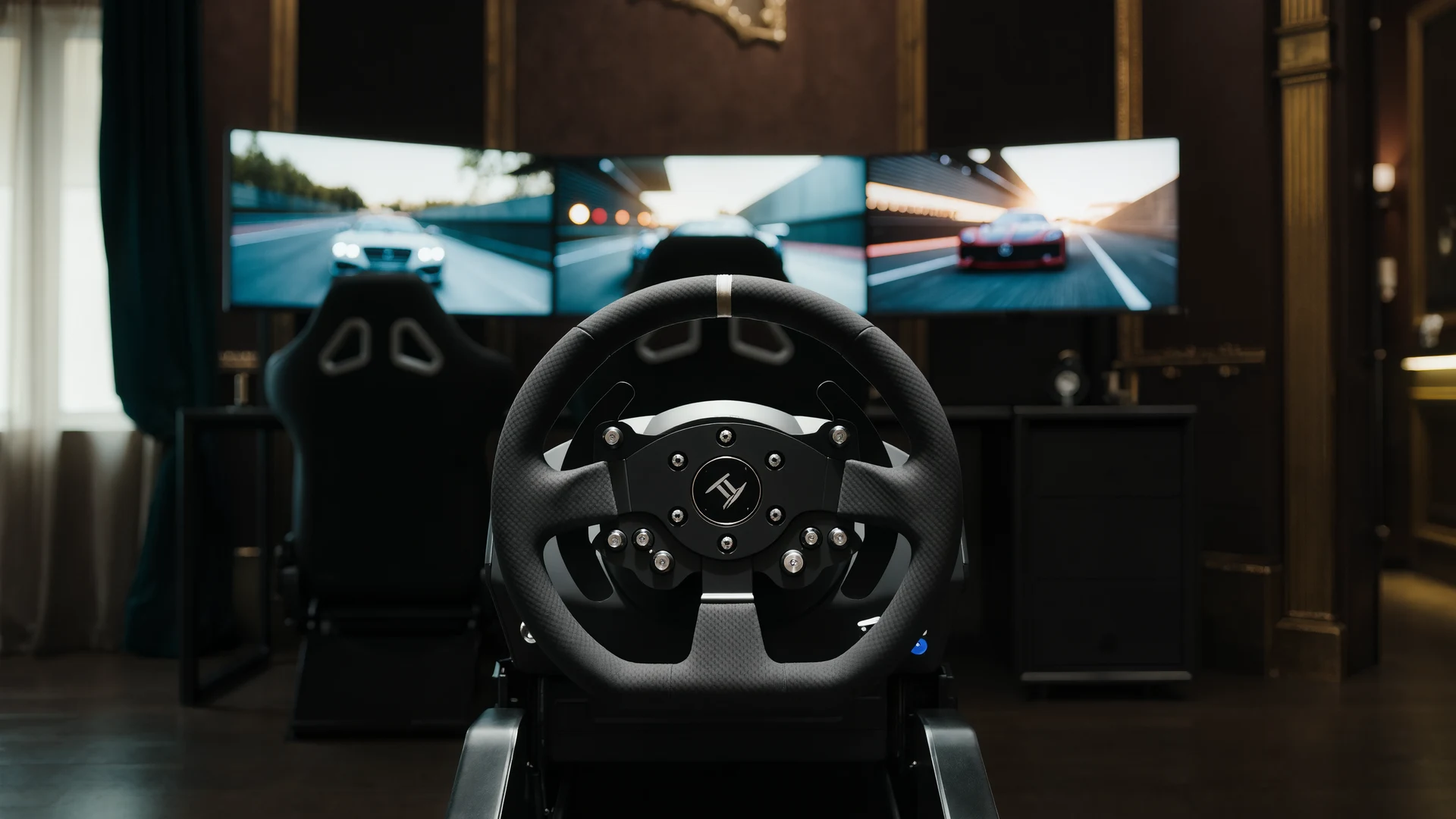
Sim Racing VR vs Triples Guide
VR vs triple monitors for sim racing in 2026: compare Quest 3, Pimax Crystal Light and triple 1440p setups on field of view, depth, comfort, cost and …
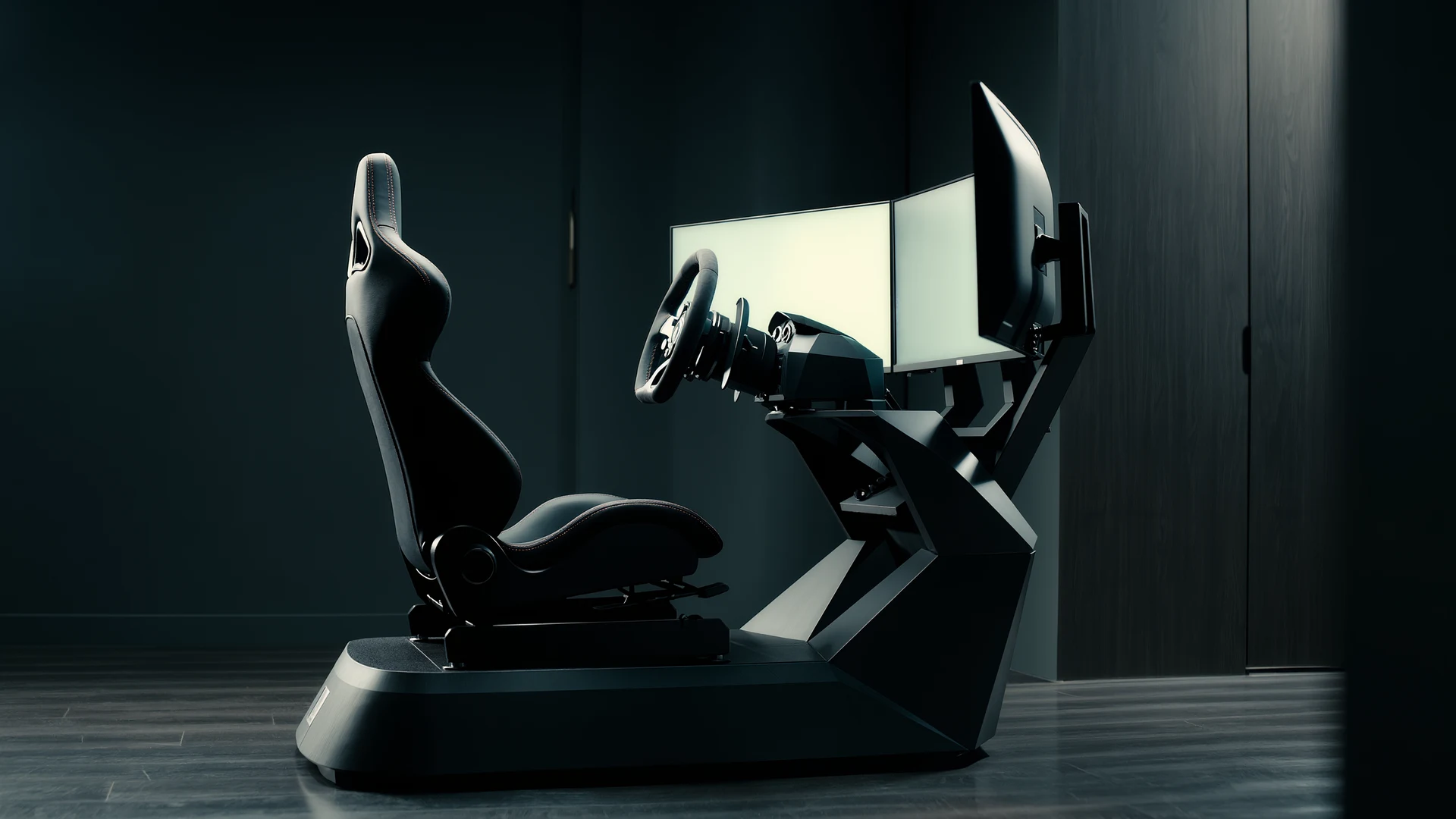
Sim Racing Motion Platforms Guide
Sim racing motion platforms guide: compare seat movers, chassis movers, D-BOX, PT Actuator, and bass shakers, with prices from $150 to $20,000-plus an…
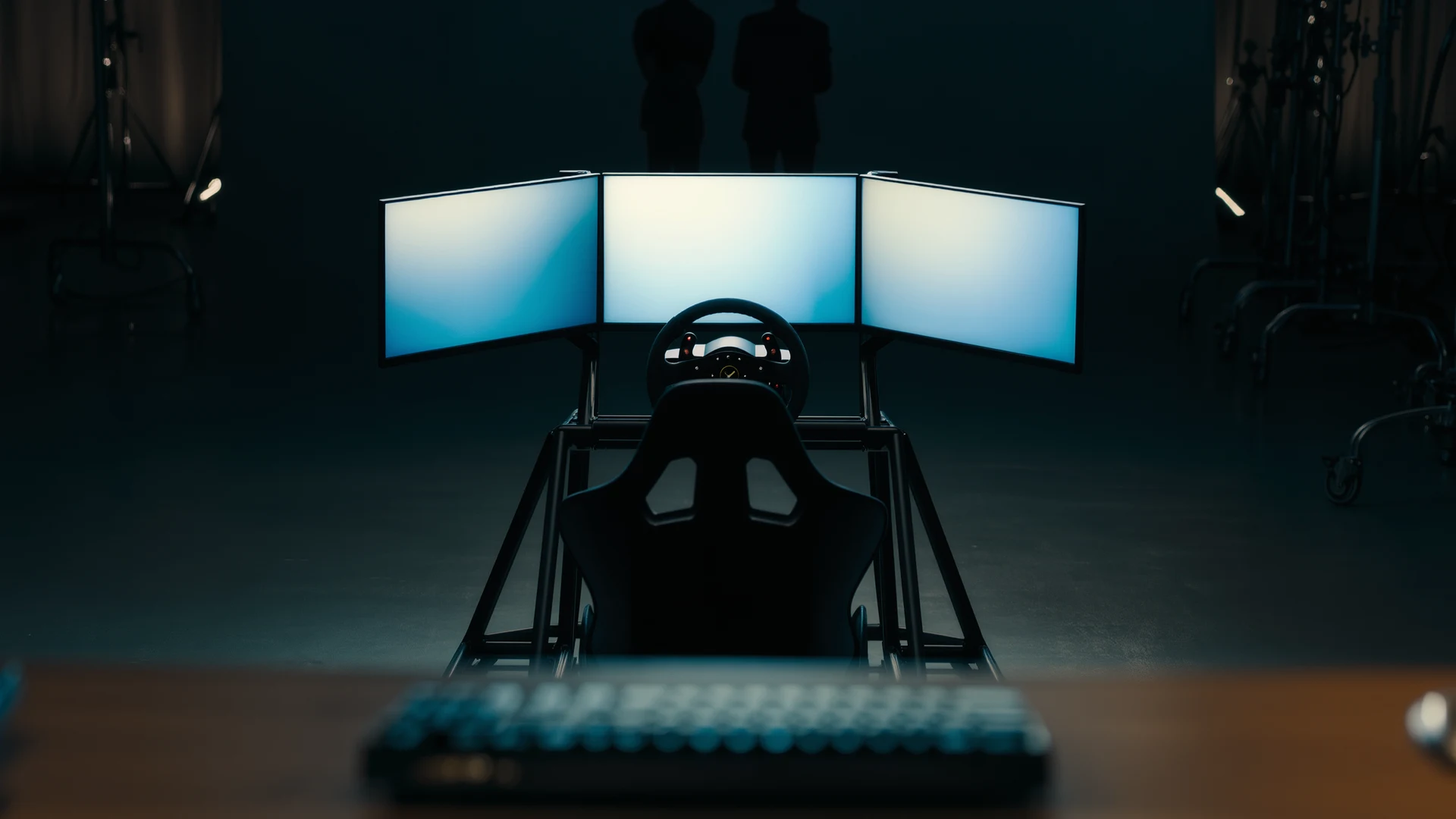
Sim Racing Cockpit Setup Guide
Sim racing cockpit setup guide: compare folding rigs, wheel stands, full cockpits and aluminum profile, plus seats, ergonomics and field-of-view tips.…