Unlocking Speed: Formula Style Cockpit
So, you’ve seen those sleek, open-wheel racing simulators online, or maybe even in person. You know, the ones that look like they’ve been plucked right out of a Formula…
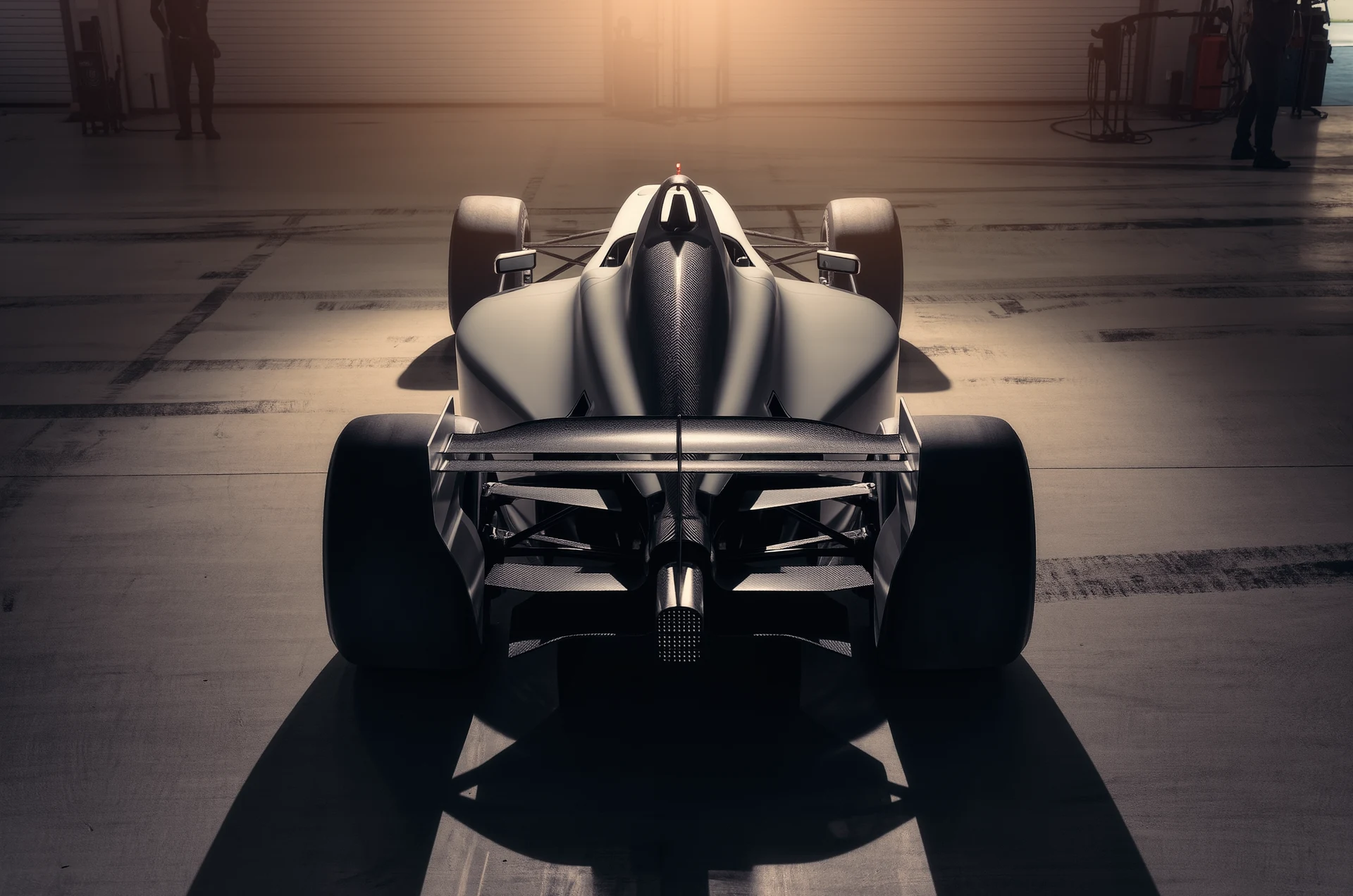
So, you’ve seen those sleek, open-wheel racing simulators online, or maybe even in person. You know, the ones that look like they’ve been plucked right out of a Formula 1 garage? Those are commonly referred to as “Formula-style cockpits,” and the “big deal” is that they aim to replicate the immersive and precise driving experience of a real open-wheel race car. It’s not just about looks; it’s about creating a physical environment that helps you feel the car, react faster, and ultimately, drive better. If you’re serious about sim racing, especially if you dream of clipping apexes at breakneck speeds, a Formula-style setup might be your ticket to a whole new level of performance and fun.
Why Go Formula? The Upsides of Dedicated Sim Racing
When you ask why someone would invest in a dedicated Formula-style sim racing cockpit, it boils down to a pretty simple equation: higher fidelity equals better performance and more enjoyment. This isn’t just about having a cool-looking setup; it’s about tangible improvements to your sim racing experience.
The Ergonomic Advantage: Positional Precision
Let’s talk about how you sit. In a real race car, especially an open-wheel one, you’re not lounging back on a sofa. You’re in a very specific, upright, and somewhat reclined position. A Formula-style cockpit is designed to mimic this. This isn’t just for aesthetics; it has practical implications.
Leaning into the Wheel
The seating position in a Formula cockpit naturally puts you closer to the steering wheel and pedals. This proximity is crucial. Think about it: if your hands are further away from the steering wheel, you have to move them more to achieve the same steering input. This translates to slower reactions, less subtle control, and a general feeling of being disconnected from the front tires. In a Formula cockpit, your arms are relatively straight, and your hands are in a prime position to make minute adjustments, which is exactly what you need when you’re pushing the limits of grip.
Pedal Placement and Body Mechanics
Similarly, the pedal box in a Formula cockpit is typically positioned to allow for a more natural and forceful application of throttle and brake. You can use your whole leg, not just your ankle, to modulate the pedals. This leads to smoother acceleration and braking, which are fundamental to consistent lap times. It also reduces fatigue over longer racing sessions because your body is in a more stable and supported posture.
Enhanced Immersion: Feeling the Race
Sim racing is, at its core, an attempt to replicate real-world racing. The more senses you can engage, the deeper the immersion. A Formula-style cockpit excels at this.
Visual Anchors and Focus
The open-wheel design means your view is less obstructed by a typical car’s dashboard or A-pillars. This allows for a wider field of vision, which is crucial for spotting braking points, apexes, and other cars. Furthermore, the fixed seating position helps to create a visual anchor. Your eyeballs are consistently at the same height relative to your monitor or VR headset, which helps your brain process visual information more effectively and naturally. This creates a strong sense of presence within the virtual environment.
Tactile Feedback Amplified
While visual cues are important, the tactile experience is what truly elevates sim racing. A solid, well-built Formula cockpit provides a stable platform for haptic feedback devices. Shocks, vibrations, and forces from the simulator are transmitted directly through your body.
- Wheel Force Feedback (FFB): When your wheel is rattling with feedback from the road surface or the tires losing grip, you want that feeling to be transmitted through a sturdy rig, not a wobbly desk. A Formula cockpit provides that solid connection, allowing you to feel subtle changes in tire wear, track grip, and aerodynamic forces.
- Pedal Feedback: Modern pedal sets can offer resistance and even vibration. Feeling the ABS kick in through your foot, or the sensation of the tires locking up, is incredibly valuable for developing car control. A good cockpit ensures these signals aren’t lost in translation.
- Buttkicker/Tactile Transducers: These devices add another layer by vibrating the seat itself, simulating engine vibrations, gear shifts, and impacts. A Formula cockpit, with its often more reclined and open design, can be particularly effective at transmitting these vibrations throughout your body.
Performance Gains: Faster Laps, Sharper Reflexes
Ultimately, for many sim racers, the goal is to improve their performance on track. A Formula-style cockpit can directly contribute to this.
Precision Control for Finesse Driving
Open-wheel cars are notoriously twitchy and responsive. Mastering them requires incredibly precise inputs. The ergonomic advantages discussed earlier, the proximity to controls and the natural body positioning, allow for the fine motor control needed to manage these sensitive machines. You can make tiny steering adjustments, feather the throttle with incredible delicacy, and modulate the brakes with pinpoint accuracy.
Faster Reaction Times
When you’re constantly fighting for hundredths of a second, reaction time is everything. The immersive nature of a Formula cockpit, combined with the ergonomic setup, reduces latency between what you see, what you feel, and what your hands and feet do. This more direct connection can translate to quicker responses to unexpected events, like a car spinning in front of you or a sudden snap of oversteer.
The Anatomy of a Formula-Style Cockpit: What to Look For
So, you’re convinced a Formula-style cockpit might be your next sim racing upgrade. What exactly makes up one of these things, and what should you be paying attention to when you’re looking at different options? It’s not just a fancy chair.
The Chassis: The Foundation of Speed
This is the main structure of the cockpit. It’s what everything else attaches to, and it needs to be robust.
Material Matters: Steel vs. Aluminum
- Steel: Generally, steel chassis are very strong and durable. They can handle a lot of flex without issue, which is good for transmitting feedback. However, they can also be quite heavy. This makes them more rigid, which is a plus, but also harder to move around if you need to.
- Aluminum: Aluminum is lighter than steel, making it easier to assemble and move. High-quality aluminum profiles, like those used in industrial automation, can be incredibly strong and rigid. They also offer a lot of flexibility in terms of adjustability and customization. Many high-end rigs use aluminum extrusion profiles.
Structural Integrity: Rigidity is Key
The most critical factor for a chassis is its rigidity. Any flex or wobble in the frame can dampen the forces you’re trying to feel from your wheel and pedals. Imagine trying to feel the subtle nuances of tire grip when the entire rig is bouncing around. You want a chassis that feels like a solid block, transferring every nuance of the simulation directly to you. Look for:
- Thick-gauge materials: Especially important for steel.
- Well-braced designs: Extra support structures can significantly increase rigidity.
- Minimal visible weld lines: While not always indicative, good welds on steel can signify strength. For aluminum extrusions, it’s more about the profile design and how they are joined.
Seating: Where You Plant Your derriere
This is more than just a place to sit; it’s a critical interface for feeling the car.
Racing Seats: The Real Deal
Most dedicated Formula cockpits will come with, or are designed to accommodate, a proper racing seat. These are often made from fiberglass or carbon fiber for lightness and strength.
- Fixed Back Seats: These are designed for racing cars and offer maximum support and a fixed driving position. They are excellent for providing a consistent seating posture.
- Reclinable Seats: While not as common in pure F1-style rigs, some offer reclinable options. These can be more comfortable for longer, less intense sessions but might compromise some rigidity and the exact F1-like posture.
Adjustability: Finding Your Perfect Position
Even with a great seat, adjustability is crucial. You need to be able to fine-tune:
- Seat Position (Forward/Backward): To get the right distance to your pedals.
- Seat Angle: To achieve that reclined racing posture.
- Lumbar Support: For comfort during long races.
Mounting Solutions: Securing Your Gear
This is where you attach your steering wheel and pedals. And it’s highly important.
Wheel Mount: Position and Angle
The wheel mount is where your force feedback wheel will be bolted. Key considerations include:
- Height: Should allow for a comfortable, natural arm position.
- Angle (Pitch and Roll): Many F1 cars have a slightly angled wheel, and you want the ability to replicate that if desired.
- Rigidity: This is paramount. A flexy wheel mount means you’re not getting the full benefit of your FFB. Look for solid, thick metal plates.
- Direct Drive Compatibility: If you plan on using a high-torque direct drive wheel, the mount needs to be exceptionally strong and rigid. Some cockpits offer specific reinforced mounts for these demanding wheels.
Pedal Mount: Stability and Angle
Your pedals are your primary interface for speed control, and they need to be firmly attached.
- Angle: Similar to the wheel, the pedal angle can significantly affect comfort and control. Some offer adjustable angles.
- Heel Plate: A dedicated heel plate can provide a stable surface to rest your foot when not actively using a pedal, which can reduce fatigue and improve control.
- Strength: A strong pedal mount prevents the pedals from shifting or flexing under heavy braking or acceleration. This is especially important for load-cell pedals, which rely on accurate force input.
Customization and Adjustability: Making It Your Own
One of the biggest advantages of a dedicated Formula-style cockpit over a more generic racing seat is the sheer level of customization and adjustability it typically offers. This isn’t about making it look pretty; it’s about optimizing it for your body and your driving style.
Fine-Tuning Ergonomics: The Personal Touch
We’ve touched on this, but it bears repeating. Your body is unique, and a cockpit that can be adjusted to fit you perfectly will feel significantly better and perform better.
Seat Sliders and Tilters
The ability to slide your seat forward or backward is fundamental. This ensures you can achieve the correct leg extension for your pedals. A seat with adjustable tilt allows you to replicate the specific angle of an F1 car’s seating position, which often is quite reclined. This isn’t just for comfort; it affects how you interact with the steering wheel and pedals.
Pedal Box Adjustability
The distance and angle of the pedal box are also critical. Some cockpits allow you to adjust the spacing between pedals (throttle, brake, clutch) and the angle at which they are mounted. This helps you find the optimal position for heel-and-toe shifting or for specific braking techniques.
Wheel and Shifter Mount Adjustments
Beyond the initial mounting, many cockpits offer further adjustments to the wheel and shifter positions.
Steering Column Tilt and Extension
Being able to adjust the height and angle of the steering column is vital. You want your arms to be in a comfortable, natural position for long periods. Some offer a telescoping extension as well, allowing you to bring the wheel closer or further away.
Shifter Mount Placement
If you plan on using a sequential shifter or a H-pattern gearbox (even in an F1 sim, some people like the challenge), the placement of the shifter mount is important. You want it to be within easy reach without forcing you out of your optimal driving posture. Many cockpits offer adjustable shifter mounts that can be positioned on either side or centrally.
Integrated Accessories: Beyond the Basics
As you move up in the sim racing world, you’ll start looking for ways to integrate more elements into your setup for maximum immersion.
Handbrake Mounts
For rally or drifting sims, a handbrake is essential. Many Formula-style cockpits can be configured with dedicated handbrake mounts, keeping it within easy reach.
Button Box and Tablet Mounts
Putting your essential controls on a button box or using a tablet for dash displays can significantly enhance the sim experience. Most good cockpits have mounting points for these accessories, ensuring they are ergonomically placed.
VR Headset Integration
If you’re a Virtual Reality enthusiast, the design of some cockpits can be particularly advantageous. The open nature of the Formula style often means less obstruction and a clearer field of view within VR, allowing you to fully immerse yourself without feeling confined. Some even have integrated cable management systems to keep your VR headset wire tidy.
Choosing Your Formula: What to Consider Before You Buy
Alright, so you’re ready to dive into the world of Formula-style cockpits. But with so many options out there, how do you pick the right one? It’s not a one-size-fits-all situation.
Your Budget: What Can You Realistically Spend?
This is, arguably, the biggest factor. Formula-style cockpits range from budget-friendly options that use simpler materials and designs to high-end, premium rigs that cost as much as a small car.
Entry-Level Options
These might use lighter gauge steel or simpler aluminum extrusions. They’ll offer a significant improvement over a desk setup but might have limitations in adjustability or long-term durability compared to more expensive options. They are a great starting point if you’re unsure how deep you want to go into sim racing.
Mid-Range Choices
This is where you start seeing more robust materials, better adjustability, and more integrated features. Aluminum extrusion profiles become more common here. These offer a great balance of performance, comfort, and price.
High-End and Premium Rigs
These often feature heavy-duty steel or premium aluminum extrusions, highly adjustable racing seats, and exceptionally rigid mounting solutions for direct drive wheels. They are built for serious sim racers who demand the absolute best in terms of performance and immersion.
Your Existing Gear: What Wheels and Pedals Do You Have?
Your current sim racing hardware will heavily influence your cockpit choice.
Direct Drive Wheels: The Need for Rigidity
If you have, or plan to get, a high-torque direct drive wheel (like those from Simucube, Fanatec, or Moza), you absolutely need a cockpit with an exceptionally rigid wheel mount. These wheels can exert significant forces, and a flimsy cockpit will not only ruin the FFB experience but can also be dangerous. Look for cockpits specifically advertised as being compatible with direct drive wheels.
Load Cell Pedals: Stability is Crucial
Similarly, if you’re using load cell pedals (which measure braking force rather than travel), you need a stable pedal platform. The load cell needs to accurately transmit the forces you’re applying. A cockpit that allows for strong pedal mounting and has a rigid pedal tray is essential.
Your Available Space: Do You Have Room to Race?
Formula-style cockpits, while often designed to be relatively compact compared to an actual race car, still require a dedicated space.
Footprint and Dimensions
Measure the area where you plan to set up your cockpit. Consider not just the length and width but also the height, especially if you’re running VR. Some cockpits have a larger footprint than others due to their support structures.
Ease of Movement
If you need to move your rig regularly, consider the weight of the cockpit and whether it has integrated casters or is designed for easier disassembly and reassembly.
Your Primary Sim Racing Disciplines: What Do You Actually Drive?
While we’re talking about “Formula-style,” these cockpits aren’t exclusively for Formula 1 cars.
Open-Wheel Specialists
If you primarily race Formula 1, IndyCar, or other open-wheel series, a dedicated Formula cockpit is a natural fit. The ergonomics and seating position are designed for these cars.
GT and Sports Car Enthusiasts
Even if you prefer GT cars or prototypes, a Formula-style cockpit can still work very well. The upright seating position can feel quite natural for these cars too, offering a different perspective than a typical “GT-style” rig. You might lose some of the exact visual cues of a roofline, but the overall precision and immersion can be a significant upgrade.
Rally and Drifting?
While not their primary design intention, many Formula-style chassis can be adapted for rally or drifting with the addition of appropriate shifter and handbrake mounts. However, some argue that a more reclined seat and different pedal placement might be more ideal for those specific disciplines.
Getting the Most Out of Your Formula Rig: Beyond the Hardware
Having a fantastic Formula-style cockpit is only part of the equation. To truly unlock its potential, you need to think about how you use it and how you can integrate it with other elements.
Calibration and Setup: Precision is Paramount
Even the best cockpit is useless if your peripherals aren’t calibrated correctly.
Wheel and Pedal Calibration
Take the time to properly calibrate your steering wheel and pedals within your sim racing software. This ensures that the full range of motion and force feedback is being utilized effectively. For load cell pedals, understanding their maximum force input is crucial for accurate braking.
Driver Settings
Fiddle with your steering wheel and pedal driver settings. This is where you can fine-tune the feel of your hardware. Experiment with force feedback profiles, damping, and friction settings until you find what feels most natural and informative for you.
Software and Settings: The Digital Connection
Your sim racing software is where the magic of the simulation happens, and how you configure it with your hardware is key.
Force Feedback Profiles
Different cars and tracks will benefit from different FFB profiles. Some sims offer presets, while others allow for extensive customization. Start with a baseline and then tweak based on what you’re feeling from the car. The goal is to get feedback that helps you drive faster, not just something that shakes your rig the hardest.
In-Game Physics and Options
Many sim racing titles have specific settings that can affect how your rig feels. For example, adjusting tire models, suspension settings, or even the detail of the track surface can significantly impact the feedback you receive through your cockpit.
Motion Platforms: The Next Level of Immersion
If you’ve really embraced the sim racing hobby and are looking for the ultimate immersive experience, a motion platform is the next logical step beyond a Formula-style cockpit.
Understanding Motion
Motion platforms are devices that tilt, vibrate, and move your entire cockpit to simulate the forces and movements a real car would experience. This can include acceleration, braking, cornering G-forces, and even subtle track imperfections.
Compatibility and Integration
When choosing a cockpit, consider if it’s designed to be compatible with motion platforms. Some cockpits are more robust and better suited to handle the added stresses and mounting requirements of a motion system. Integrating a motion platform with a Formula-style cockpit can create an incredibly realistic and engaging driving experience.
Beyond the Wheel and Pedals: Enhancing the Experience
The cockpit is the foundation, but you can build on it to create an even richer sim racing environment.
Audio Immersion
Don’t underestimate the power of good audio. A quality headset or a surround sound system can significantly enhance your sense of awareness and immersion. Hearing the engine note change, the tires squeal, or the differential whining adds layers of information.
Dashboard Displays and Telemetry
Using external displays for telemetry or in-game dashboards can provide you with real-time data about your car’s performance, lap times, and tire temperatures. This not only adds to the realism but can also help you make strategic decisions during a race. Many button boxes and dedicated dash units can be mounted directly to your Formula cockpit.
Lighting and Ambience
While not directly performance-enhancing, creating a good sim racing environment with appropriate lighting can further contribute to immersion. Some enthusiasts even integrate RGB lighting into their cockpits to match the colors of their favorite racing teams or to provide ambient lighting.
Ultimately, a Formula-style sim racing cockpit is an investment in a more engaging, precise, and performant sim racing experience. It’s about taking your virtual driving from casual fun to something much more serious and rewarding.
FAQs
What is a formula style cockpit?
A formula style cockpit is a type of cockpit design commonly used in open-wheel racing cars, such as Formula 1 and Formula E cars. It features a single-seater layout with the driver positioned in a reclined, feet-up position for optimal aerodynamics and driver safety.What are the key features of a formula style cockpit?
Key features of a formula style cockpit include a high level of driver protection, with a strong and rigid monocoque structure, as well as a headrest and side impact protection. The cockpit also includes a steering wheel with various controls, a dashboard display, and a seat designed to securely hold the driver in place during high-speed maneuvers.How does a formula style cockpit differ from other cockpit designs?
Compared to other cockpit designs, such as those found in touring cars or sports cars, a formula style cockpit is more focused on driver safety and aerodynamics. The reclined seating position and the overall layout of the cockpit are optimized for high-speed performance and maneuverability on race tracks.What are the safety considerations in a formula style cockpit?
Safety considerations in a formula style cockpit include the use of advanced materials for the monocoque structure, as well as the integration of impact-absorbing materials and energy-absorbing crash structures. Additionally, the cockpit is designed to provide ample space around the driver’s head and legs to minimize the risk of injury in the event of a crash.How is a formula style cockpit designed to enhance driver performance?
A formula style cockpit is designed to enhance driver performance by providing a comfortable and ergonomic seating position, as well as easy access to essential controls on the steering wheel and dashboard. The aerodynamic layout of the cockpit also contributes to improved handling and overall performance on the race track.More from Cockpits & Rigs
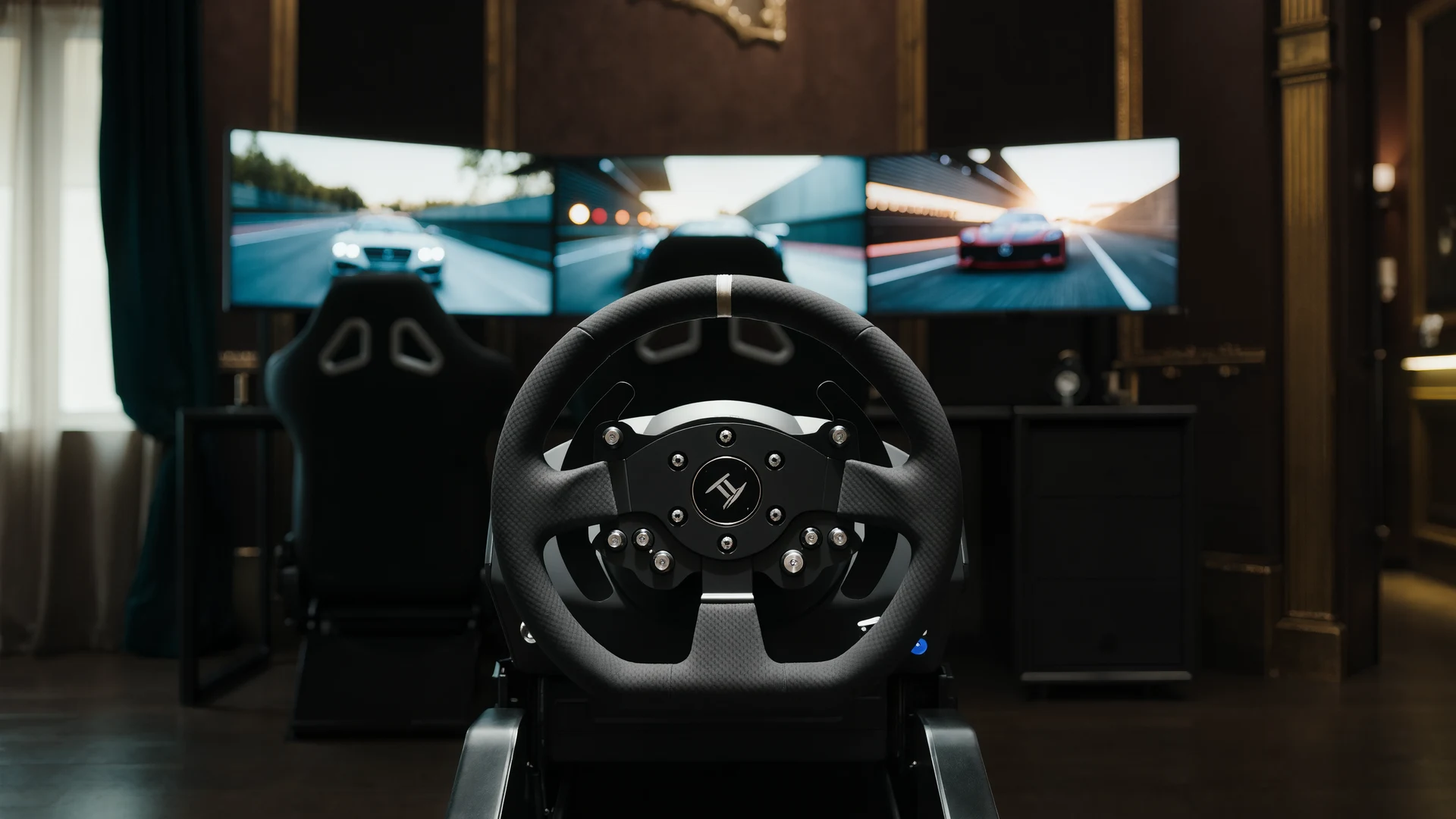
Sim Racing VR vs Triples Guide
VR vs triple monitors for sim racing in 2026: compare Quest 3, Pimax Crystal Light and triple 1440p setups on field of view, depth, comfort, cost and …
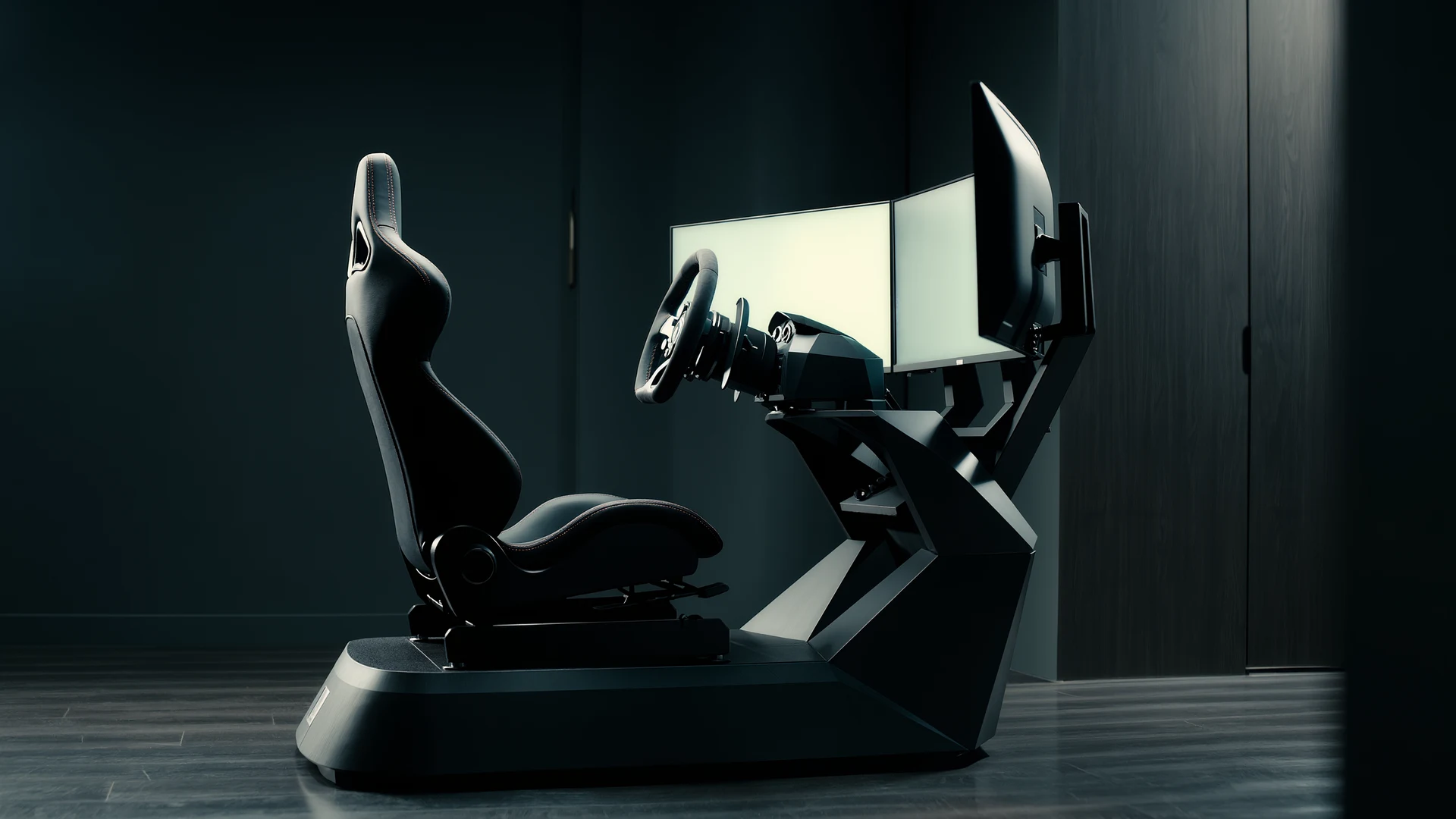
Sim Racing Motion Platforms Guide
Sim racing motion platforms guide: compare seat movers, chassis movers, D-BOX, PT Actuator, and bass shakers, with prices from $150 to $20,000-plus an…
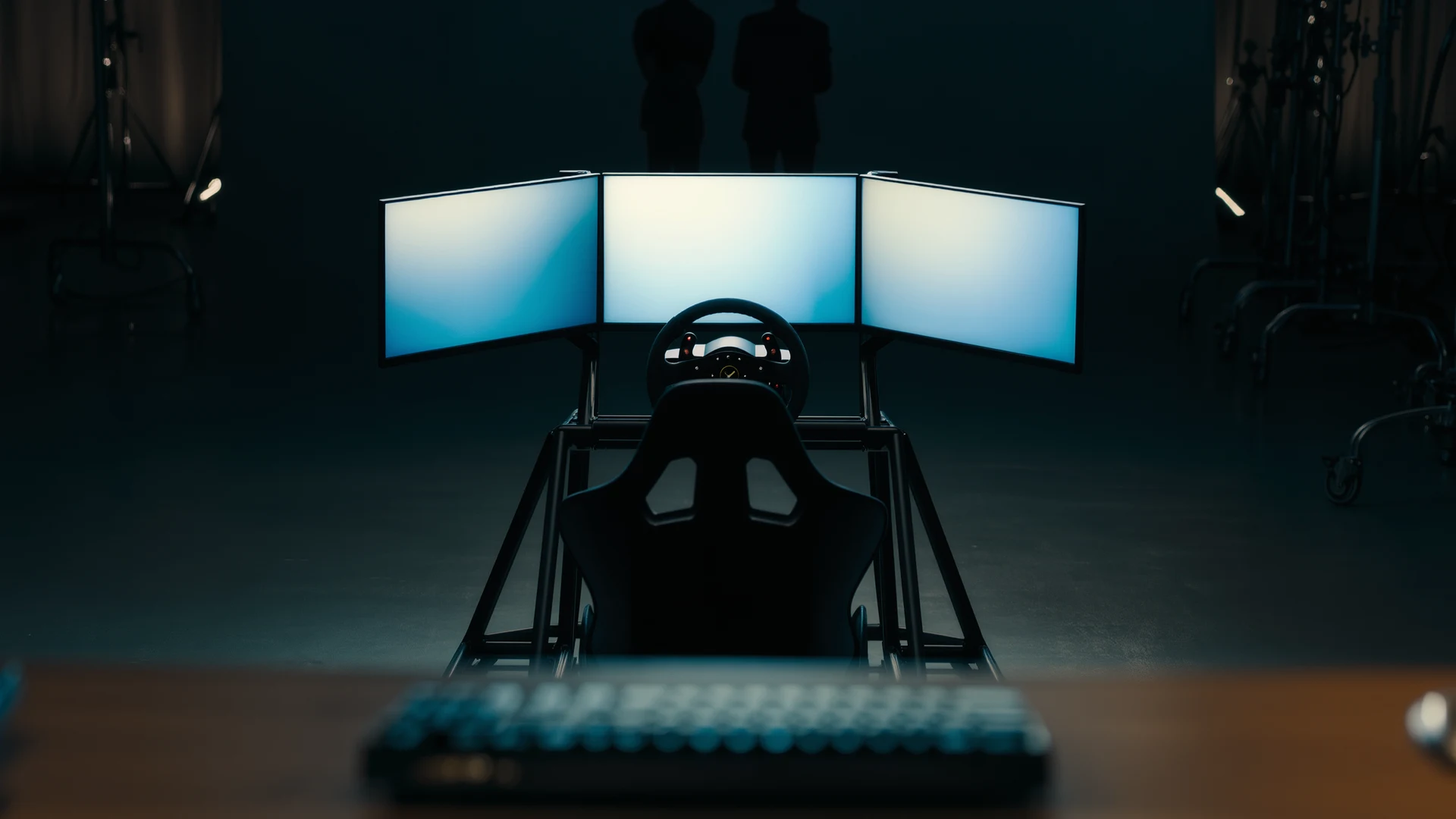
Sim Racing Cockpit Setup Guide
Sim racing cockpit setup guide: compare folding rigs, wheel stands, full cockpits and aluminum profile, plus seats, ergonomics and field-of-view tips.…