Upgrade Your Racing Experience with the 8020 Racing Cockpit
So, you’re thinking about leveling up your sim racing game with an 80/20 rig, huh? Smart move. Forget those flimsy wheel stands or trying to bolt everything to your desk. An …
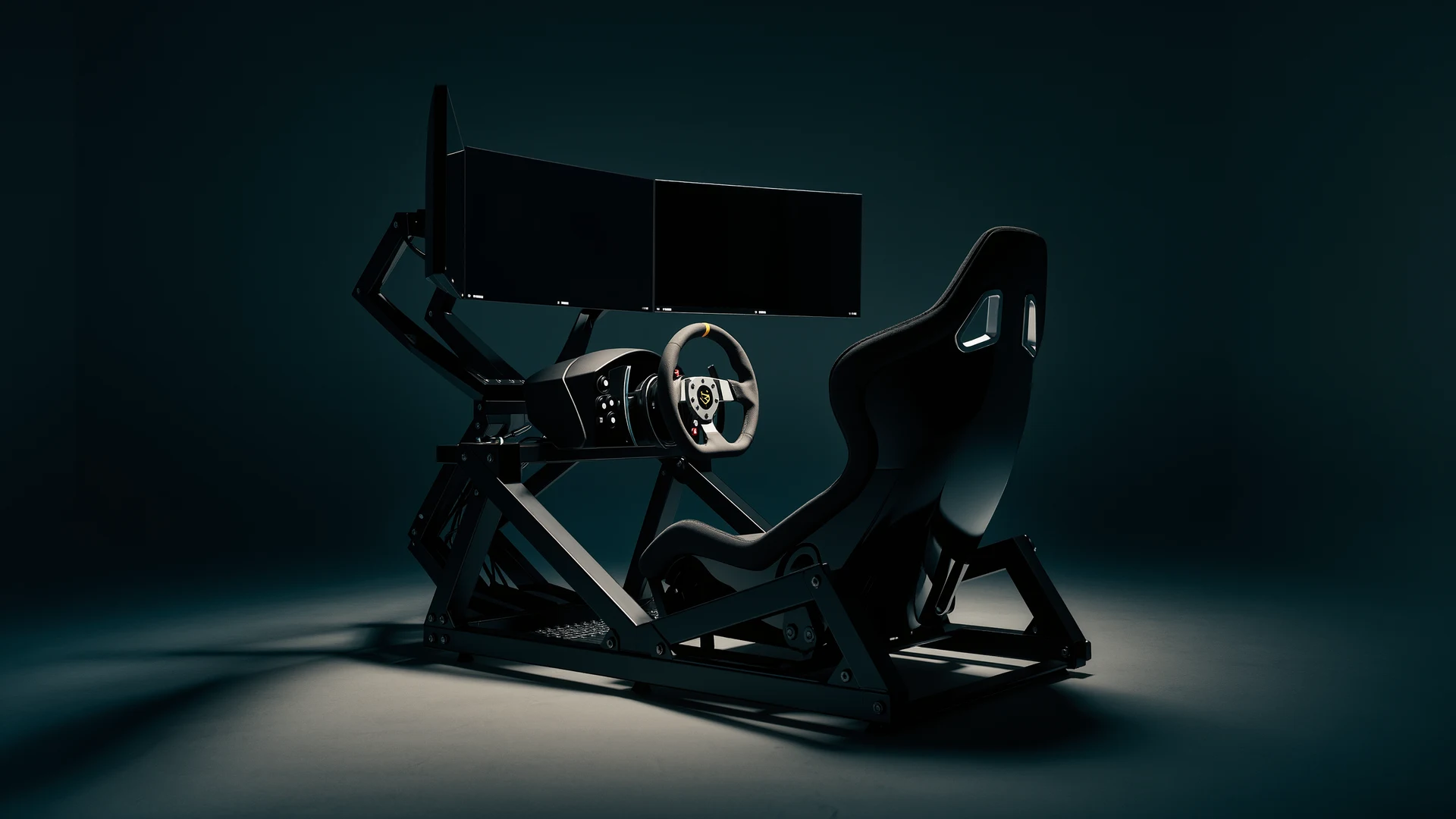
So, you’re thinking about leveling up your sim racing game with an 80/20 rig, huh? Smart move. Forget those flimsy wheel stands or trying to bolt everything to your desk. An 80/20 aluminum profile cockpit is pretty much the gold standard for serious sim racers, offering a rock-solid foundation that’s incredibly adaptable. It’s not just about looks; it’s about getting a more immersive, consistent, and frankly, more fun racing experience. This isn’t some cheap gimmick; it’s an investment in how you play. We’ll break down exactly why an 80/20 rig is worth considering, what you need to know, and how it can genuinely transform your time on track.
Let’s cut to the chase. The main reason an 80/20 aluminum profile cockpit shines is its sheer rigidity. When you’re slamming on the brakes or wrestling with a slide, you want your wheel and pedals to be locked in place, not flexing and bouncing around. This stability is crucial for a few key reasons that directly impact your performance and enjoyment.
The Foundation of Immersion
Think about real race cars. They’re built to be incredibly stiff. This rigidity allows the suspension, tires, and driver to communicate effectively. A wobbly sim rig just can’t replicate that. With an 80/20, what you feel through your wheel and pedals is a direct translation of what’s happening in the game, without any distracting movement. This connection to the virtual car is what real immersion feels like.
Consistency is Key for Improvement
Ever wonder why you can’t seem to nail that corner consistently? Sometimes, it’s not you. If your setup is shifting or flexing, your inputs are going to be inconsistent. An 80/20 rig eliminates this variable. Once you’ve got it dialed in, it stays dialed in. This allows you to develop muscle memory and truly refine your driving technique because you can trust that your inputs are being translated accurately, every single lap.
Future-Proofing Your Setup
This is a big one. The modular nature of 80/20 extrusion means your cockpit isn’t a static purchase. As your sim racing journey evolves, maybe you upgrade to a Direct Drive wheel, add a bass shaker, or want a more ergonomic seating position, your 80/20 rig can evolve with it. You’re not typically looking to buy a whole new rig; you’re just adding or rearranging a few pieces. This adaptability saves you money and hassle in the long run.
Understanding the 80/20 Advantage: Beyond the Aluminum
“80/20” actually refers to the size of the aluminum profiles used, specifically 80mm by 20mm. But the real magic isn’t just the dimensions; it’s the system. These profiles have slots (or T-slots) that run along their length, allowing you to connect them together using special T-nuts and bolts. This is where the customization and rock-solid build come in.
The Power of Modularity
Each aluminum profile is like a building block. You can cut them to size, connect them at various angles, and add accessories anywhere along the T-slots. This means you can build a cockpit that perfectly matches your body dimensions, your available space, and the specific gear you intend to mount. From the wheel deck angle to the pedal plate position, everything is adjustable.
Strength and Durability That Lasts
Aluminum might not sound as hardcore as steel, but used in this way, 80/20 profiles are incredibly strong and rigid. They’re designed to handle significant loads. When assembled correctly with proper gussets and bracing (which are also made from 80/20 components), you get a platform that feels like it’s part of your house, not something that’s going to buckle under pressure. Plus, aluminum doesn’t rust, which is a nice bonus.
The “Build It Yourself” Aspect (and why it’s good)
For many, the idea of building something like a cockpit can seem daunting. But here’s the practical reality: building an 80/20 rig from a kit or from scratch is often more straightforward than you might think. Instructions are usually clear, and the components are designed to fit together logically. It’s a rewarding process that gives you a deep understanding of your setup and the satisfaction of having built it yourself. And, if something isn’t perfect, you know exactly how to adjust it.
Key Components of an 80/20 Cockpit
When you’re looking at 80/20 cockpits, you’ll notice several core components that make up the structure. Understanding these will help you when comparing options or planning your own build.
The Chassis/Frame
This is the main body of the cockpit. It’s what everything else attaches to. Think of it as the skeleton. Most designs include uprights for the seat, a base for the pedals, and a structure to mount your wheel and shifter. The design varies greatly, from simpler “open” chassis to more enclosed “Formula” or “GT” style rigs.
Seat Mounting Solutions
- Integrated Seat Brackets: Many kits come with dedicated brackets that bolt directly to the aluminum profiles, allowing you to attach most standard racing seats or even bucket seats.
- Sliding Seat Rails: These are a fantastic addition, letting you easily adjust your seating position forward or backward, crucial for finding that perfect driving posture.
Wheel Deck
This is the platform where your steering wheel is mounted. The design and adjustability here are critical.
Wheel Mount Options
- Fixed Wheel Plates: Simpler designs might have a flat plate.
- Adjustable Wheel Mounts: The best have tilt, height, and distance adjustability. This is essential for replicating different car types and ensuring comfort.
- Direct Drive Readiness: If you plan on using a powerful Direct Drive wheel, ensure the wheel deck is reinforced and designed to handle the torque without flexing.
Pedal Mount
The pedal plate is where your pedals attach. This needs to be as solid as possible, especially with load-cell pedals.
Pedal Plate Features
- Angle and Height Adjustment: Being able to dial in the angle and height of your pedals is vital for comfort and precise braking.
- Vertical Mounts: Some advanced setups allow you to mount pedals vertically, mimicking certain race cars, which can enhance immersion.
- Reinforcement: For high-end sim racing, reinforced pedal plates are a must, especially if you’re using extremely stiff brake pedals.
What to Look For in an 80/20 Cockpit (and Why it Matters)
It’s not just about the aluminum. There are specific features and considerations that separate a good 80/20 rig from a great one. This is where you move from “functional” to “truly professional.”
Adjustability: The Holy Grail of Sim Racing Comfort
This is arguably the most important factor. Every driver is different, and every car you drive is different. The ability to fine-tune your position is paramount.
Key Adjustments to Prioritize
- Seat Position: Fore/aft, height, and recline angle. You need to be able to get comfortable for long sessions.
- Wheel Position: Height, tilt, and distance from your body. This determines your arm angle and how you interact with the wheel. Different cars have different steering wheel heights and diameters, so this is critical.
- Pedal Position: Angle and distance. This impacts your braking and throttle control. Getting this right is essential for foot comfort and precise inputs.
Rigidity: More Than Just “Not Moving”
While we’ve covered this, it’s worth reiterating the how. A well-built 80/20 rig uses specific connectors and bracing methods to minimize flex.
What Creates Superior Rigidity
- Corner Brackets and Gussets: These are critical for strengthening the corners of the frame, preventing twisting and bending.
- Profile Thickness and Quality: While 80/20 is the standard, some manufacturers might use thicker profiles or higher-grade aluminum for even more stiffness.
- Sufficient Bracing: Double-check that the design has adequate bracing for the wheel mount and pedal plate, as these are the areas that experience the most force.
Seat Integration and Comfort
The actual seat you use is a massive part of your experience. How the cockpit integrates with a seat can make or break your comfort.
Seat Considerations
- Compatibility with Various Seats: Can it take a standard car seat, a bucket seat, or does it require a proprietary seat? Wider compatibility is always better.
- Seat Slider Functionality: As mentioned, seat sliders are a game-changer for quickly adjusting your position for different drivers or car types.
- Ergonomics: The overall seating position allowed by the cockpit should promote good posture and allow you to reach your controls naturally without strain.
Included Accessories and Future Expansions
Think about what comes with the rig, and what you can add later.
Beyond the Frame
- Shifter Mounts: Is there a dedicated shifter mount, and is it adjustable?
- Handbrake Mounts: If you use a handbrake, a secure mounting solution is important.
- Accessory Slots: The more available T-slots, the easier it is to add things like cup holders, keyboard trays, or cable management solutions.
- Cable Management: Often overlooked, but good cable management keeps your rig looking clean and prevents snagging.
The 80/20 Ecosystem: DIY vs. Pre-Built Kits
So, you’ve decided an 80/20 cockpit is the way to go. Now, the big question: do you go the full DIY route, or opt for a pre-built kit? Both have their pros and cons, and the right choice depends on your budget, your technical skills, and how much time you want to invest.
The Full DIY Route: For the Tinkerer at Heart
This involves sourcing all your aluminum profiles, connectors, bolts, and potentially even cutting the profiles yourself. It offers the ultimate in customization.
Pros of Going Full DIY
- Maximum Customization: You design everything from scratch. If you have a very specific vision or unique space constraints, this is the way to go.
- Potential Cost Savings: If you’re savvy, you might be able to save money by buying raw materials and cutting costs where you can, especially if you don’t need premium brands for every component.
- Learning Experience: You’ll gain an intimate knowledge of how your rig is constructed.
Cons of Going Full DIY
- Time Consuming: Designing, ordering, and potentially cutting profiles takes significant time and effort.
- Requires Planning and Precision: Mistakes in design or cutting can be costly to fix. You’ll need to be comfortable with engineering concepts.
- Can be Overwhelming: The sheer number of profile sizes, connector types, and accessory options can be daunting for beginners.
Pre-Built Kits: The Convenient and Effective Solution
These kits come with all the necessary aluminum profiles pre-cut and labeled, along with all the fasteners and instructions. They’re designed to be assembled relatively easily.
Pros of Pre-Built Kits
- Ease of Assembly: Designed for straightforward construction, often with detailed instructions and pre-drilled holes.
- Time Efficient: You’re not spending time designing or cutting; you’re focused on assembly.
- Engineered for Performance: Reputable kits are designed by experienced sim racers, meaning they’ve considered rigidity, adjustability, and functionality.
- Scalability: Most kits are modular, allowing you to easily add accessories or upgrade sections later.
Cons of Pre-Built Kits
- Less Customization: While adaptable, you’re working within the framework of the designer’s intent.
- Potentially Higher Upfront Cost: You’re paying for the convenience and engineering.
- May Not Fit Every Niche Need: If you have a highly specialized requirement, a kit might not be the perfect fit without modifications.
Hybrid Approach: Best of Both Worlds?
You can also take a hybrid approach. Perhaps you buy a well-regarded base kit and then add custom-fabricated or modified parts for specific areas like a unique shifter mount or a particular pedal integration. This can offer a good balance between convenience and personalization.
Investing in Your Passion: The Long-Term Value of an 80/20 Rig
Let’s talk about value. When you’re looking at the price tag of a decent 80/20 cockpit, it can seem like a significant outlay. But consider it as an investment, not just an expense.
Durability and Longevity
Unlike a plastic-bodied gaming chair or a flimsy wheel stand that might break or wear out over time, an 80/20 cockpit is built to last. Aluminum profiles don’t degrade, and the structural integrity remains sound for years, even with heavy use.
Adaptability for the Future
As mentioned earlier, the modularity is a huge part of its long-term value. Today, you might have a Logitech G29. Tomorrow, it could be a Fanatec CSL DD or a VRS DirectForce Pro. Your 80/20 rig can be adapted to accommodate these upgrades without needing a complete replacement. This saves you money over time compared to buying multiple, less capable rigs.
Enhanced Enjoyment and Performance
Ultimately, the main driver for upgrading your sim racing setup is to have more fun and to improve your performance. An 80/20 cockpit directly contributes to both. The increased immersion allows you to connect more with the game, leading to more enjoyable sessions. The consistent and precise feedback helps you to drive cleaner, faster, and more consistently. The satisfaction of racing on a setup that feels professional and robust is its own reward.
Potential for Resale Value
While not typically the primary consideration, well-maintained 80/20 cockpits can hold a decent resale value. Because they are so adaptable and built with quality materials, there’s often a secondary market for these rigs, especially for popular brands or well-built custom setups.
The “One and Done” Factor
For many, an 80/20 rig represents a “buy it for life” solution for the core of their sim racing setup. It’s the foundation upon which you can build and iterate, rather than constantly needing to replace or upgrade the entire structure. This sense of permanence and reliability is a significant part of its long-term value proposition. The peace of mind knowing you have a stable platform for countless hours of racing is hard to put a price on.
By considering these factors, you can see that while an 80/20 cockpit is a solid investment, it’s one that pays dividends in terms of enjoyment, performance, and long-term usability for years to come. It’s about building a racing platform that grows with your passion.
FAQs
What is an 8020 racing cockpit?
An 8020 racing cockpit is a modular and customizable racing simulator cockpit made from 8020 aluminum extrusion profiles. It is designed to provide a realistic and immersive racing experience for sim racers.What are the benefits of using an 8020 racing cockpit?
Some benefits of using an 8020 racing cockpit include its modular design, which allows for easy customization and adjustments, its sturdy and durable construction, and its compatibility with a wide range of racing simulator equipment.What equipment can be mounted on an 8020 racing cockpit?
An 8020 racing cockpit can accommodate a variety of racing simulator equipment, including racing wheels, pedals, shifters, monitors, and even motion platforms. The modular design allows for easy mounting and adjustment of these components.Is an 8020 racing cockpit suitable for beginners?
Yes, an 8020 racing cockpit can be suitable for beginners as well as experienced sim racers. Its modular design allows for easy adjustments to accommodate different skill levels and preferences.Can an 8020 racing cockpit be used for other types of simulation games?
While an 8020 racing cockpit is primarily designed for racing simulators, its modular and customizable nature allows it to be adapted for other types of simulation games, such as flight simulators or space exploration games.More from Cockpits & Rigs
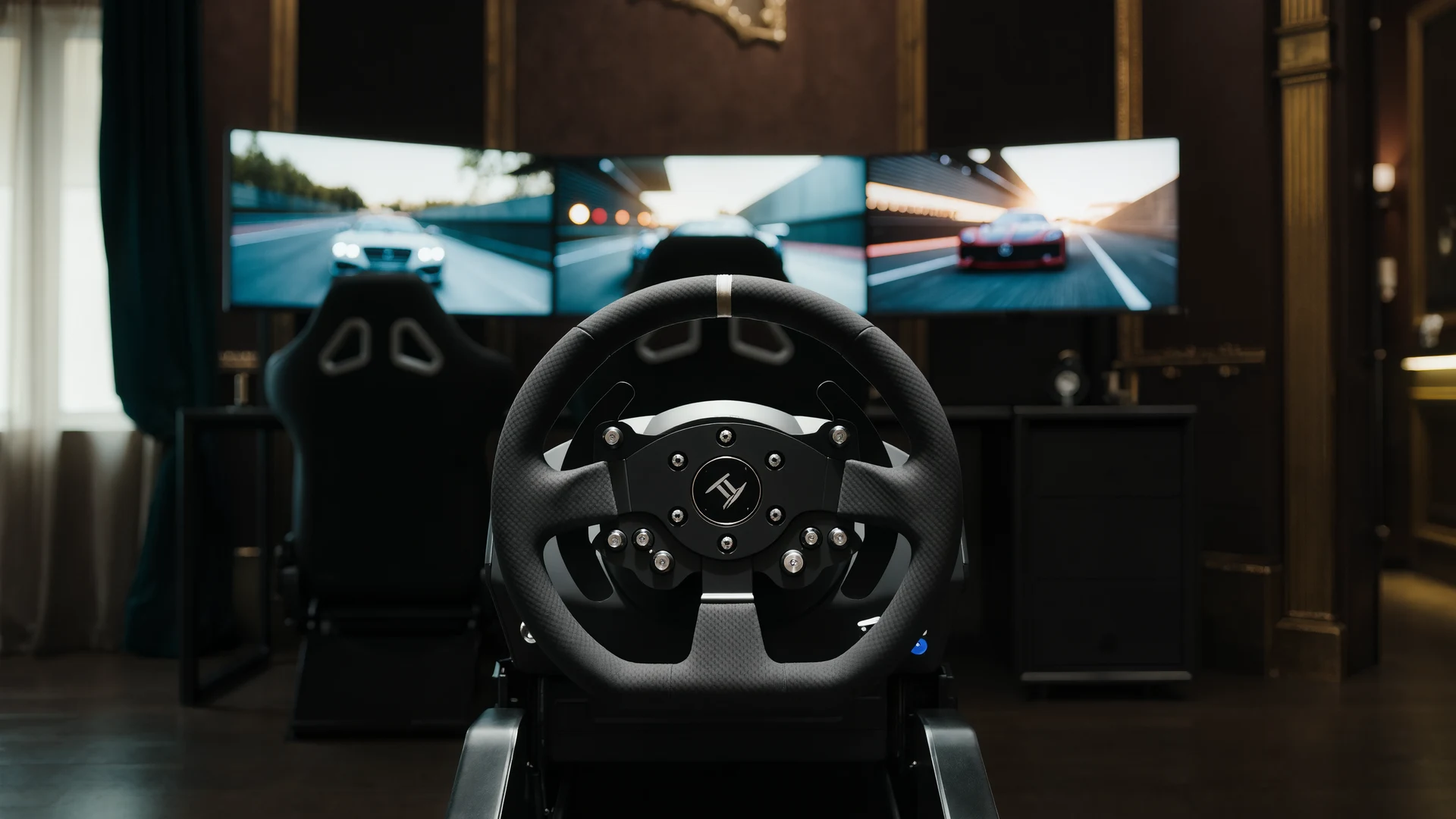
Sim Racing VR vs Triples Guide
VR vs triple monitors for sim racing in 2026: compare Quest 3, Pimax Crystal Light and triple 1440p setups on field of view, depth, comfort, cost and …
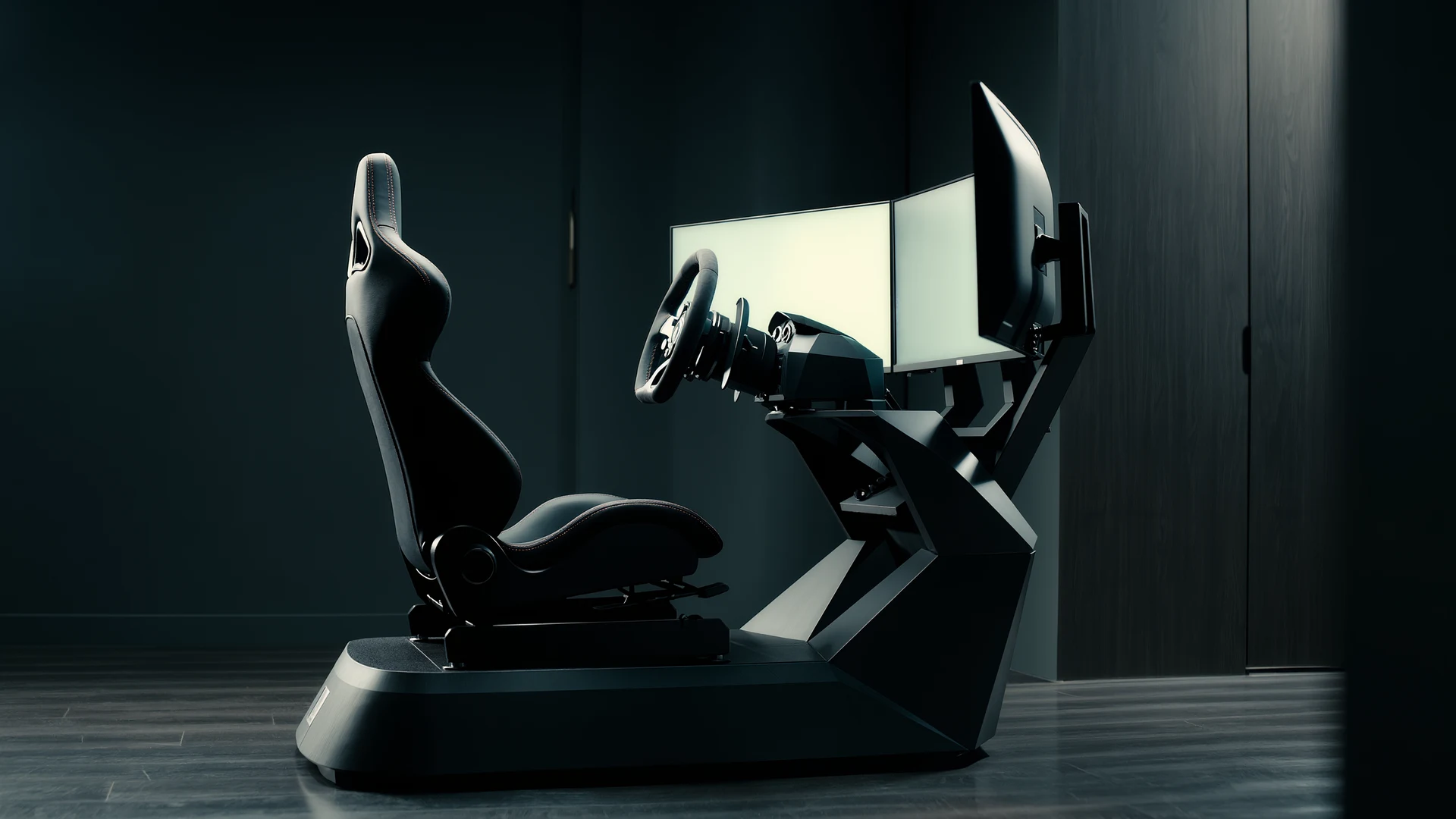
Sim Racing Motion Platforms Guide
Sim racing motion platforms guide: compare seat movers, chassis movers, D-BOX, PT Actuator, and bass shakers, with prices from $150 to $20,000-plus an…
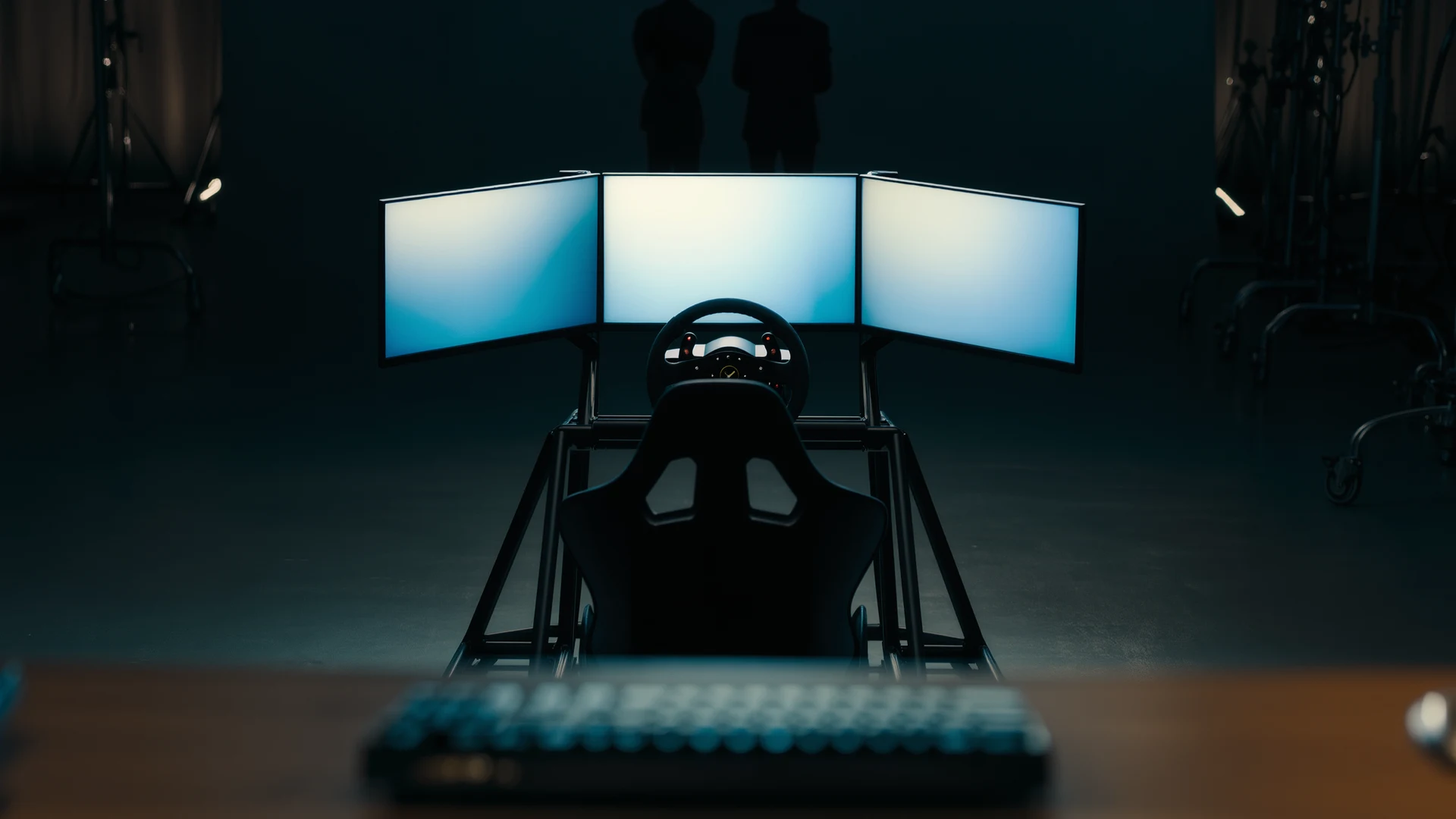
Sim Racing Cockpit Setup Guide
Sim racing cockpit setup guide: compare folding rigs, wheel stands, full cockpits and aluminum profile, plus seats, ergonomics and field-of-view tips.…