Upgrade Your Racing Experience with a Premium Cockpit
Fancy a More Immersive Racing Sim? Let’s Talk Cockpits. If you’re spending a good chunk of your free time on racing simulators, you’ve probably hit a point where your current…
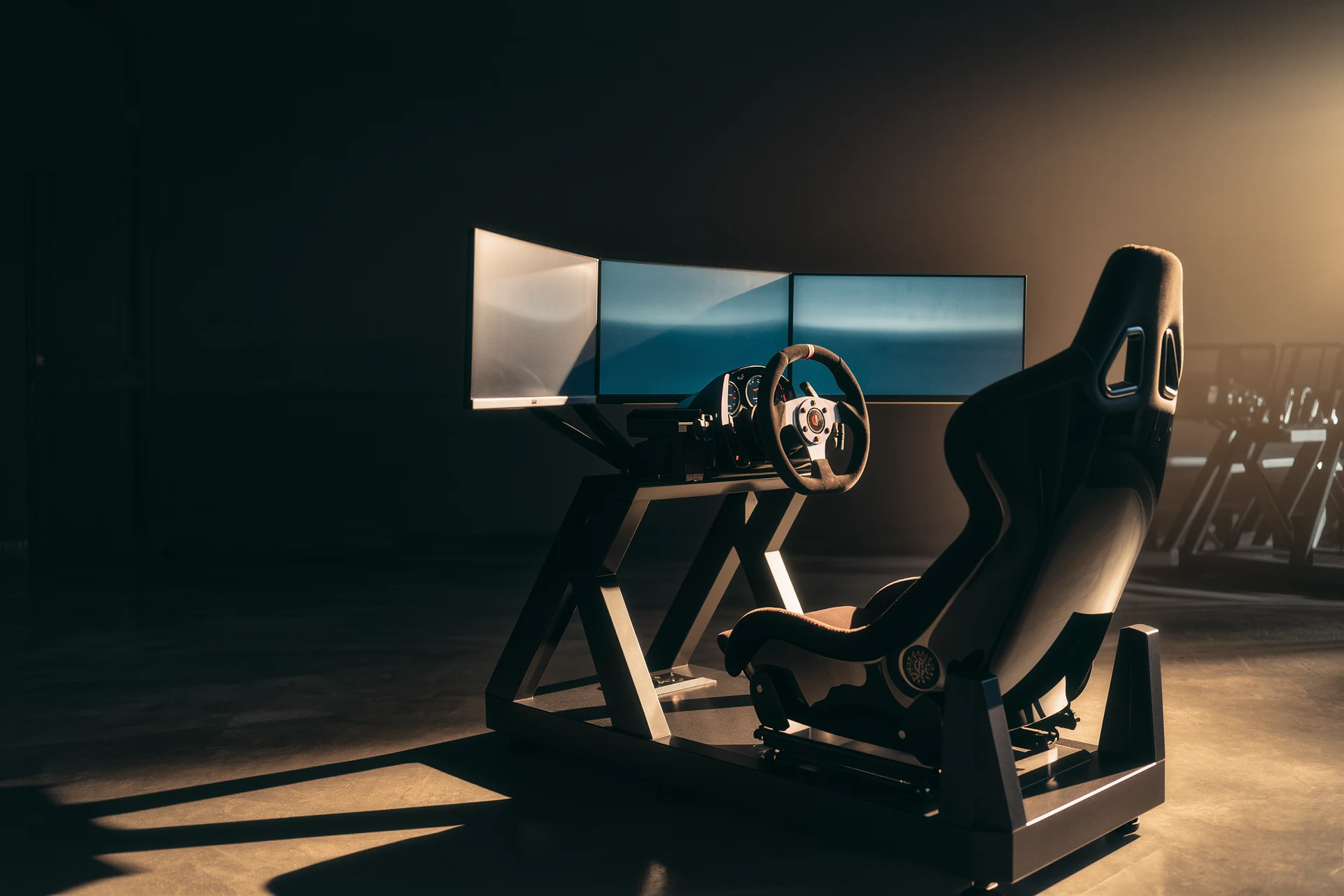
Fancy a More Immersive Racing Sim? Let’s Talk Cockpits.
If you’re spending a good chunk of your free time on racing simulators, you’ve probably hit a point where your current setup, maybe a desk with a wheel clamped to it, or a flimsy stand, just isn’t cutting it anymore. You’re looking for that next level, that feeling of really being in the car. That’s where a premium sim racing cockpit comes in. Think of it as the central nervous system for your virtual driving passion, bringing together your wheel, pedals, shifters, and even your screen(s) into a cohesive, sturdy, and surprisingly comfortable package. It’s not just about looks; it’s about dialing in your ergonomics, improving your control, and ultimately, making you a faster, more consistent driver. So, what exactly makes a cockpit “premium,” and is it worth the investment? Let’s dive in.
When we talk about “premium” in sim racing cockpits, we’re generally referring to a few key aspects that go beyond the basic functionality of holding your gear. It’s about the engineering, the materials, the adjustability, and the overall experience they offer. Think of it as moving from a basic bicycle to a finely tuned road bike, the fundamental purpose is the same, but the performance, comfort, and attention to detail are on a different plane.
Robust Construction and Materials
The foundation of any good cockpit is its build. Premium options are typically constructed from sturdy materials like thick-gauge steel or aluminum profiles. This isn’t just for aesthetics; it’s about eliminating flex. When you’re braking hard or making aggressive steering inputs, you don’t want your rig wobbling or shifting. This rigidity translates directly into more accurate feedback from your wheel and pedals, allowing you to feel the nuances of the track surface and the car’s behavior. Cheaper stands might use thinner metal that can become a compliance point, absorbing some of the force you’re exerting.
Superior Adjustability for Optimal Ergonomics
This is arguably one of the biggest differentiators. A premium cockpit isn’t a one-size-fits-all solution. It’s designed to be highly customizable to your body and your preferences. This means having a wide range of adjustments for your seat position, steering wheel height and angle, and pedal distance and angle. Getting this right is crucial for comfort during long racing sessions and for achieving an optimal driving posture that allows for precise control.
Seat Positioning
The ability to slide your seat forward or backward, adjust its height, and tilt the recline is fundamental. Some higher-end cockpits even allow for adjustments in the pedal height relative to the seat, mimicking different car layouts. This precise control over your seating position helps avoid fatigue and allows you to find the sweet spot for maximum control input.
Wheel Mounts and Angle
Most premium cockpits offer extensive adjustability for the wheel mount. You can usually move it closer or further away, adjust the height, and most importantly, dial in the tilt and angle. This allows you to replicate the driving position of various race cars, from open-wheelers to GT cars, ensuring you’re not straining your wrists or shoulders.
Pedal Tray Adjustments
The pedal tray is another area where premium cockpits shine. They often allow for significant adjustments in the distance between pedals, the angle of the individual pedals, and sometimes even their height. This is critical for matching your natural foot position and ensuring you can apply throttle, brake, and clutch with precision and without awkward contortions.
Integrated Features and Accessories
Beyond the core structure, premium cockpits often come with or have readily available integrated solutions for accessories. This can include mounts for shifters, handbrakes, button boxes, transducer systems for haptic feedback, and even robust monitor stands. Having these components securely mounted and well-positioned contributes to a clean, organized, and highly functional setup.
The Benefits: How a Cockpit Elevates Your Sim Racing
Moving to a dedicated cockpit isn’t just about having a cool-looking setup; it brings tangible benefits to your actual racing performance and overall enjoyment. It’s about creating a more focused and effective environment for you to hone your skills.
Enhanced Immersion and Realism
This is often the primary driver for enthusiasts. A proper cockpit, especially when paired with a comfortable and supportive seat, creates a sense of being in the car. The solidity of the rig, the fixed position of your controls, and the ability to position your screen at the correct eye level all contribute to suspending disbelief. You’re no longer just playing a game at a desk; you’re inhabiting the virtual vehicle.
Feeling the Road
When your wheel and pedals are mounted to a rigid structure, you receive much more direct and nuanced feedback. Instead of feeling vibrations through a wobbly desk, you get the jolts, bumps, and changes in load transfer directly transmitted through the cockpit. This allows you to “read” the track and the car’s behavior in a way that’s impossible with less stable setups.
Visual Immersion
A cockpit often allows you to mount your monitor(s) much closer and at a more appropriate height and angle, mimicking a real car’s dashboard. This wider field of view and the closer proximity can significantly enhance the feeling of speed and presence, making the virtual world feel more convincing.
Improved Performance and Consistency
While not a magical upgrade to your driving skill, a cockpit provides the foundational tools to realize your potential. By eliminating flex and allowing for perfect ergonomic setup, you can exert more precise control and maintain that control consistently over longer periods.
Precision Inputs
With a solid chassis and precisely adjusted controls, your steering and pedal inputs become far more precise. You can make micro-adjustments to throttle and brake with greater confidence, leading to smoother entries and exits from corners, and ultimately, faster lap times.
Reduced Fatigue
A poorly ergonomic setup can lead to physical discomfort and fatigue, which in turn affects your concentration and performance. A well-adjusted cockpit ensures your body is in a natural and supportive position, allowing you to focus on the racing for extended periods without being distracted by physical strain.
Durability and Longevity
Premium cockpits are built to last. They’re designed to withstand years of intense use, the rigors of powerful direct-drive wheels, and the force of load-cell pedals. Investing in a quality cockpit means you’re not constantly worrying about something breaking or needing replacement, allowing you to focus on enjoying the hobby.
Types of Premium Cockpits: Finding Your Fit
The “premium” market isn’t monolithic. There are various styles and designs, each catering to different needs, preferences, and budget levels within the premium space. Understanding these distinctions will help you narrow down what’s right for you.
Profile-Based Rigs
These are perhaps the most common type of premium cockpit. They’re built using extruded aluminum profiles, similar to what you might find in industrial automation or high-end 3D printers. This modular system offers incredible flexibility and strength.
Advantages of Profile Rigs
- Unmatched Customization: The T-slot system allows for virtually limitless adjustment and mounting options for all your peripherals.
- Exceptional Rigidity: Thick aluminum profiles create a very stiff and stable platform, especially when properly braced.
- Scalability: You can start with a basic setup and gradually add more features and mounts as your needs evolve.
- Clean Aesthetics: With careful cable management, profile rigs can look very professional and tidy.
Common Brands and Examples
Brands like Sim-Lab, GT Omega (their higher-end models), Trak Racer, and many others offer excellent profile-based cockpits. They often come in various sizes and configurations, from compact “desk replacement” styles to full-blown “formula” or “GT” chassis.
Tube-Frame Rigs
These are often what you might associate with more traditional racing seats. They use welded steel tubing to form a chassis, to which a seat and mounting brackets are attached. While they can be very strong, they often offer less granular adjustability compared to profile systems.
Advantages of Tube-Frame Rigs
- Extreme Robustness: Welded steel frames can be incredibly strong and resistant to flex.
- Classic Racing Aesthetic: They often mimic the look and feel of actual race car cockpits.
- Integrated Seat Solutions: Many tube-frame cockpits come with integrated racing seats, simplifying the purchase.
Considerations for Tube-Frame
- Limited Adjustability: Mount points for wheels, pedals, and seats can be fixed or offer fewer degrees of freedom than profile systems.
- Weight: Steel frames can be quite heavy, making them less portable.
- Modularity: Less modular than profile systems, meaning modifications can sometimes require welding or drilling.
Hybrid and Bespoke Options
Some manufacturers offer hybrid designs that blend features of both profile and tube-frame systems. Additionally, there are high-end bespoke manufacturers who can create custom-tailored cockpits for individuals with very specific requirements or those seeking the absolute pinnacle of the sim racing experience. These can be the most expensive but offer unparalleled personalization.
Key Features to Look for in a Premium Cockpit
When you’re weighing up your options, certain features will make a significant difference in how usable, comfortable, and effective your cockpit is. It’s about getting the most bang for your buck in terms of functionality and long-term satisfaction.
Seat Choice and Integration
The seat is your primary contact point. A premium cockpit should either accept a wide range of off-the-shelf racing seats (either bucket seats or recliners) or offer one as part of a package.
Recliners vs. Bucket Seats
- Recliners: Offer comfort and greater adjustability, often similar to a car’s road seat. Good for a mix of GT/road car sims and general comfort.
- Bucket Seats (Fixed Back): Offer superior lateral support, crucial for intense racing and haptic feedback. They provide a more direct connection to the chassis but can be less comfortable for casual use and are less adjustable in recline.
Seat Sliders and Mounting
Ensure the cockpit has robust seat sliders that allow for smooth forward/backward movement. The mounting brackets should be sturdy and offer a decent range of height adjustment.
Steering Wheel Mount
This is where a lot of force is transmitted. It needs to be incredibly stable.
Direct Drive Compatibility
If you plan on using a powerful direct-drive wheel (which applies force directly to the steering shaft), the wheel mount needs to be exceptionally rigid. Look for thick metal and ample bracing. Some high-end cockpits have reinforced or dedicated direct-drive mounts.
Adjustability Range
As mentioned before, ample adjustability for height, reach, and angle is crucial for replicating different driving positions and finding your perfect posture.
Pedal Mount/Tray
This is another critical component for transmitting force and feeling feedback.
Tilt and Angle Adjustability
The ability to adjust the angle and tilt of the pedal tray allows you to set up your pedals like a GT car (closer to horizontal) or a formula car (more vertical).
Front and Rear Position Adjustment
Being able to move the entire pedal assembly forward or backward relative to your seat ensures proper legroom and comfortable pedal placement.
Heel-Toe Pad Integration
For those who practice or race with heel-toe downshifting, consider if the cockpit can accommodate a heel-toe pad or if the pedal spacing is conducive to it.
Shifter and Handbrake Mounts
If you use a shifter or handbrake, their mounting system is important for ergonomics and stability.
Versatile Mounting
Look for mounts that can be positioned on either side of the seat and at various heights and angles.
Sturdiness
A wobbly shifter mount will detract from the immersion and can lead to missed shifts.
Monitor Mount Options
Many premium cockpits offer integrated monitor mounts, which can be a significant space and cost saver.
Single, Triple, or Ultrawide Support
Ensure the mount can handle the size and weight of your monitor(s). Some offer dedicated solutions for triple-screen setups or large ultrawide displays.
Adjustability for Viewing Angle
The ability to tilt and adjust your monitor’s position is crucial for optimal viewing and to avoid glare.
Build Quality and Finish
Beyond the raw materials, look at how the cockpit is put together. Welds should be clean and strong. Finishes should be durable. The overall impression should be one of quality and precision engineering.
Making the Investment: Is a Premium Cockpit Worth It?
This is the big question, and the answer, like most things in sim racing, depends heavily on your situation and your priorities. It’s not a decision to be taken lightly, as premium cockpits represent a significant financial outlay.
Evaluating Your Current Setup and Usage
Ask yourself:
- How much time do you actually spend sim racing? If it’s only an hour a week, a premium cockpit might be overkill. If you’re logging multiple hours daily, it becomes much more justifiable.
- What are the limitations of your current setup? Is it flex, discomfort, lack of adjustability, or a general feeling of disconnect?
- What kind of hardware are you using or planning to use? A powerful direct-drive wheel and load-cell pedals demand a sturdy cockpit to perform at their best.
- What are your sim racing goals? Are you aiming for competitive racing, just casual fun, or something in between?
Cost vs. Benefit Analysis
A truly premium cockpit can range from around $500-700 for a very good entry-level profile rig, all the way up to $1500-$3000+ for high-end or custom-built chassis, often not including the seat.
Consider the long-term value:
- Durability: A well-made cockpit will last for years, potentially outlasting multiple wheel/pedal upgrades.
- Ergonomics: The health and comfort benefits can’t be overstated, especially for those who race frequently. Reduced fatigue means more enjoyable and more effective sessions.
- Performance Gain: While it won’t instantly make you a world champion, the improved feedback, consistency, and precision can lead to faster lap times and a better understanding of car dynamics.
- Upgrade Path: Many profile-based cockpits are modular, allowing you to add accessories and expand your setup over time.
When to Consider Other Options
If your budget is very tight, or if you’re dipping your toes into sim racing for the first time, a premium cockpit might not be your first purchase.
- Wheel Stands: For those using simpler setups (e.g. belt-driven wheels and basic pedals), a good quality wheel stand can be a significant upgrade over a desk. They offer much more stability without the full commitment of a cockpit.
- DIY Solutions: For the technically inclined, building your own cockpit can be a rewarding and potentially more cost-effective option, although it requires significant time, planning, and tools.
Ultimately, a premium sim racing cockpit is an investment in your hobby. It’s about transforming your sim racing experience from a casual pastime into a more immersive, focused, and performance-oriented pursuit. If you’re serious about sim racing and have reached the limitations of your current setup, exploring the world of premium cockpits is a logical and rewarding next step.
FAQs
What is a premium racing cockpit?
A premium racing cockpit is a specialized gaming chair and frame designed to provide a realistic and immersive racing experience for gamers. It typically includes features such as adjustable seating, steering wheel mounts, pedal mounts, and gear shifter mounts.What are the benefits of using a premium racing cockpit?
Using a premium racing cockpit can enhance the gaming experience by providing a more realistic and immersive environment for racing simulations. It can also improve comfort and ergonomics during long gaming sessions, as well as offer better stability and control while gaming.What features should I look for in a premium racing cockpit?
When choosing a premium racing cockpit, look for features such as adjustable seating positions, compatibility with various gaming consoles and racing wheels, sturdy construction, and compatibility with additional accessories such as monitor stands and keyboard trays.How much does a premium racing cockpit cost?
The cost of a premium racing cockpit can vary depending on the brand, features, and materials used. Entry-level models may start at around $300, while more advanced and feature-rich models can cost upwards of $1000.Are premium racing cockpits compatible with different gaming consoles?
Yes, many premium racing cockpits are designed to be compatible with a wide range of gaming consoles, including PlayStation, Xbox, and PC. However, it’s important to check the compatibility of the specific model with your gaming setup before making a purchase.More from Cockpits & Rigs
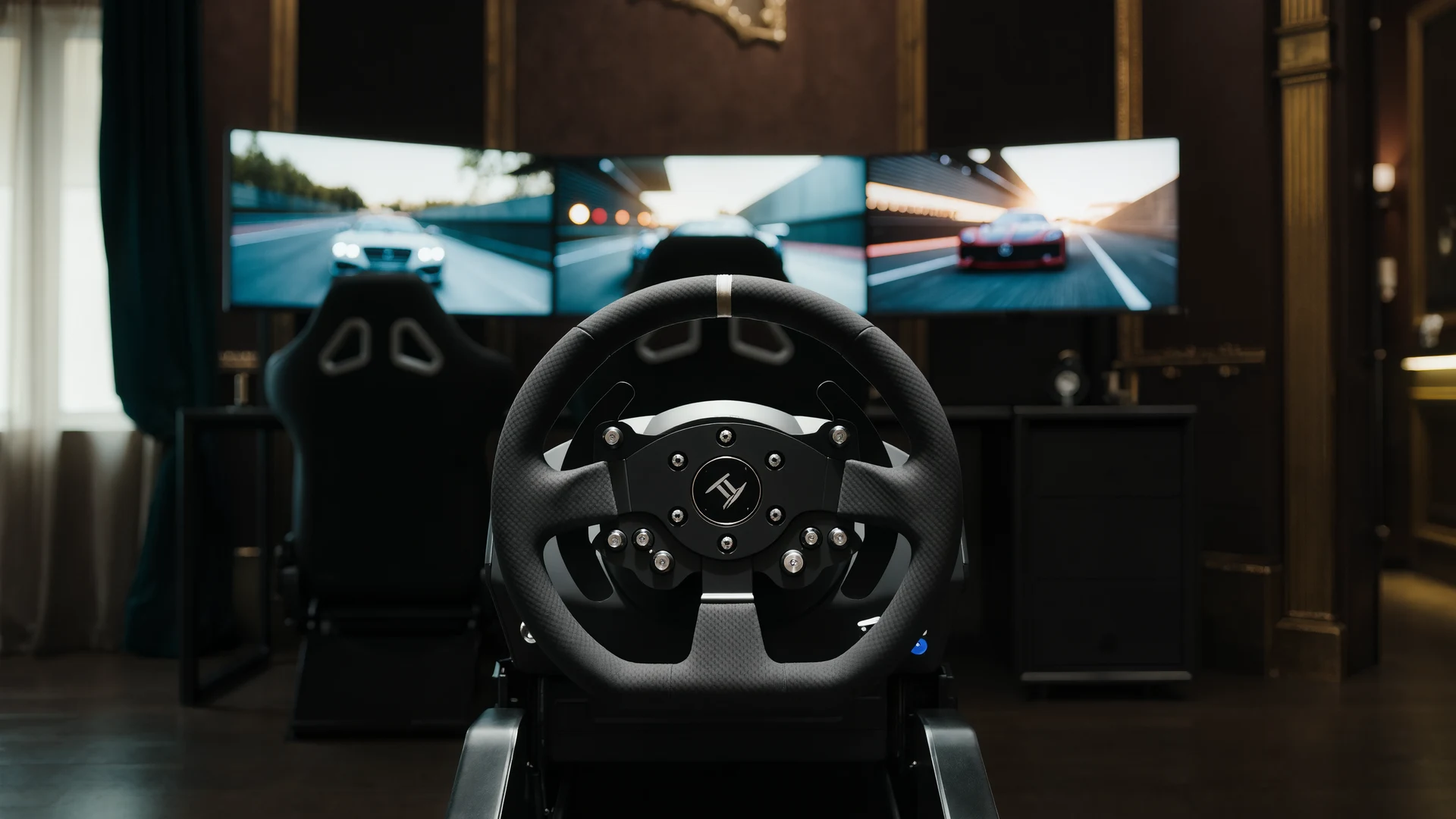
Sim Racing VR vs Triples Guide
VR vs triple monitors for sim racing in 2026: compare Quest 3, Pimax Crystal Light and triple 1440p setups on field of view, depth, comfort, cost and …
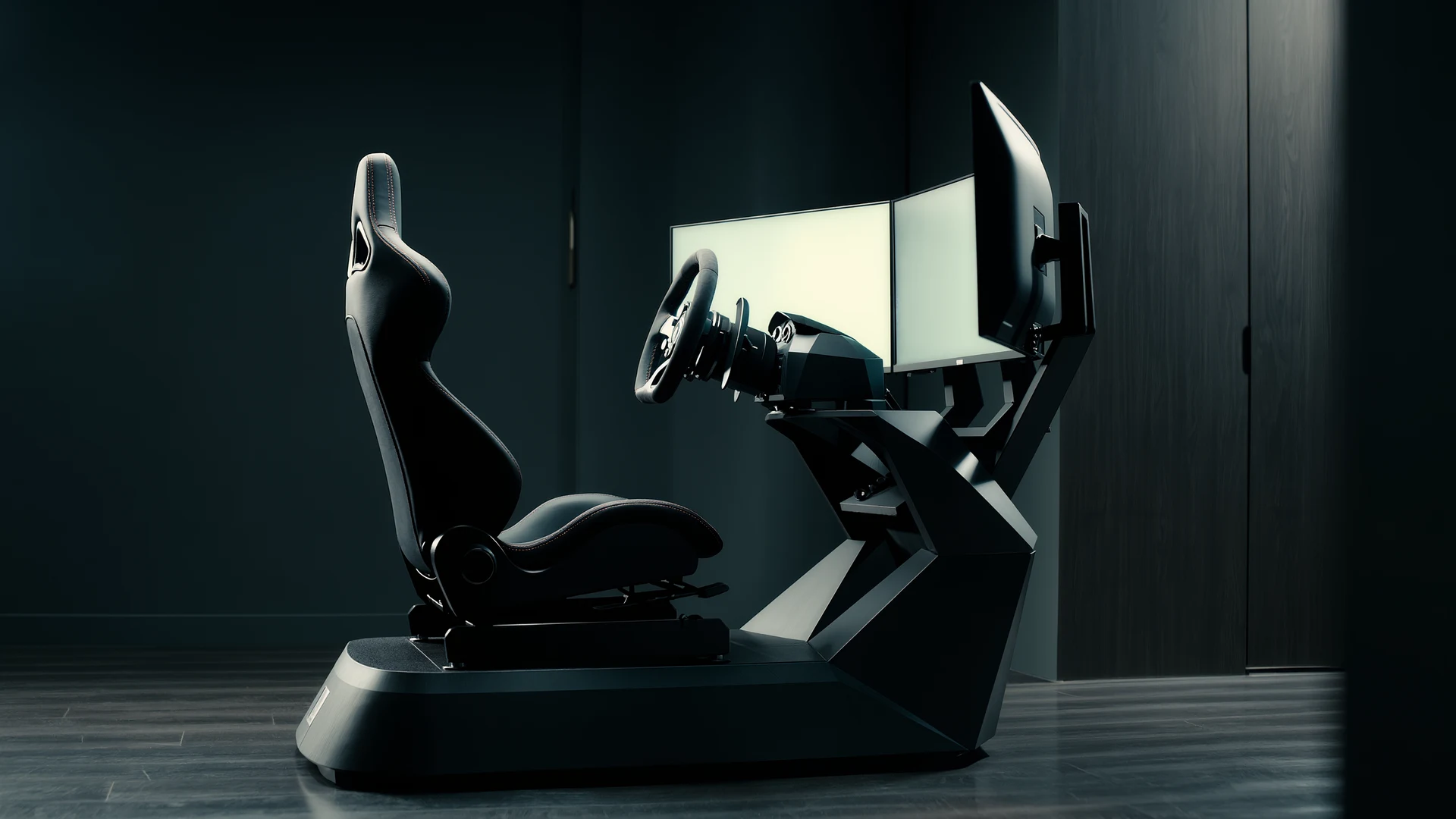
Sim Racing Motion Platforms Guide
Sim racing motion platforms guide: compare seat movers, chassis movers, D-BOX, PT Actuator, and bass shakers, with prices from $150 to $20,000-plus an…
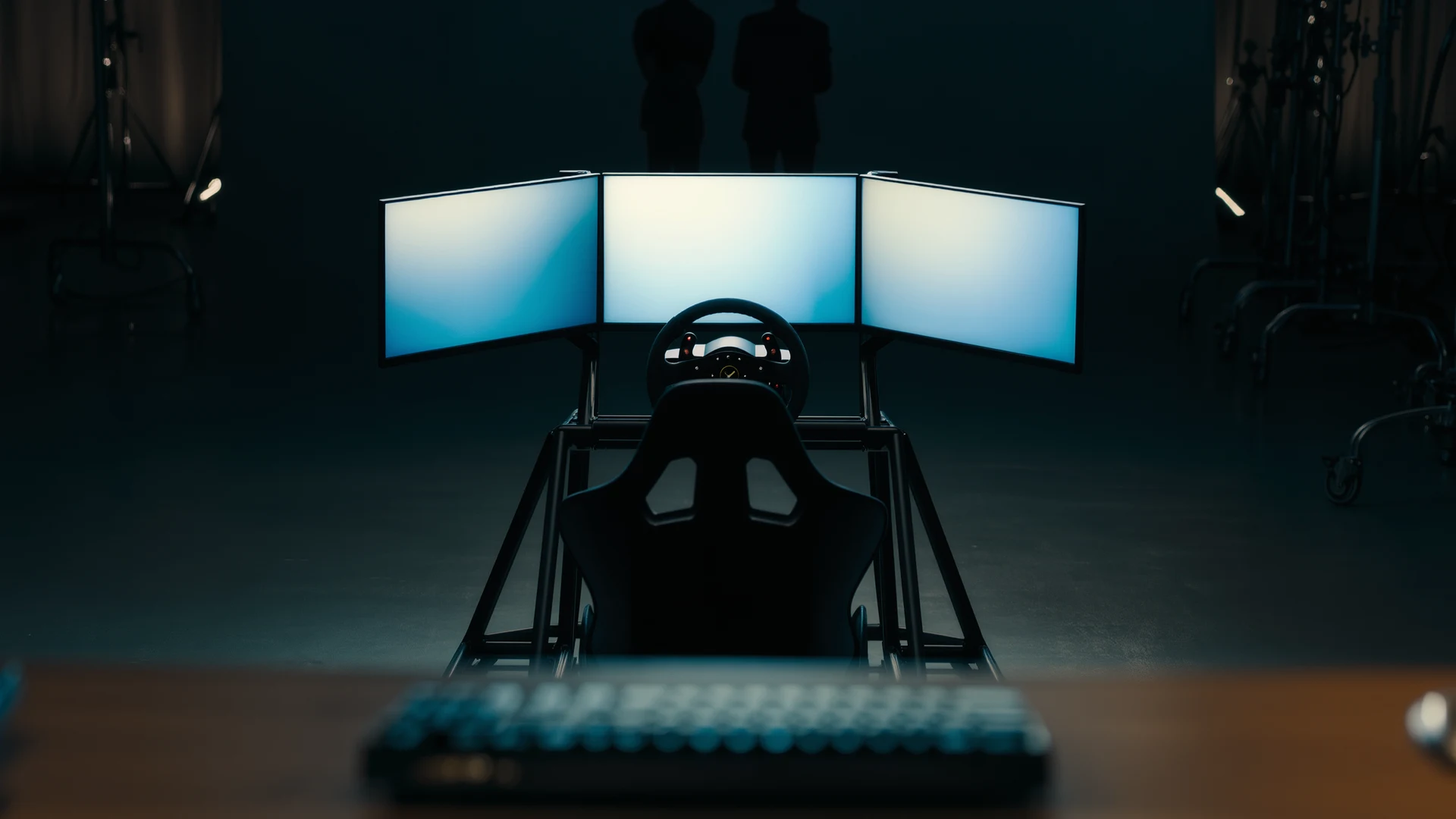
Sim Racing Cockpit Setup Guide
Sim racing cockpit setup guide: compare folding rigs, wheel stands, full cockpits and aluminum profile, plus seats, ergonomics and field-of-view tips.…