Upgrade Your Racing Experience with a Simulator Frame
So, you’re looking to take your sim racing from good to genuinely awesome? You’ve probably got a steering wheel, pedals, and a decent monitor, but something’s still missing, right?…
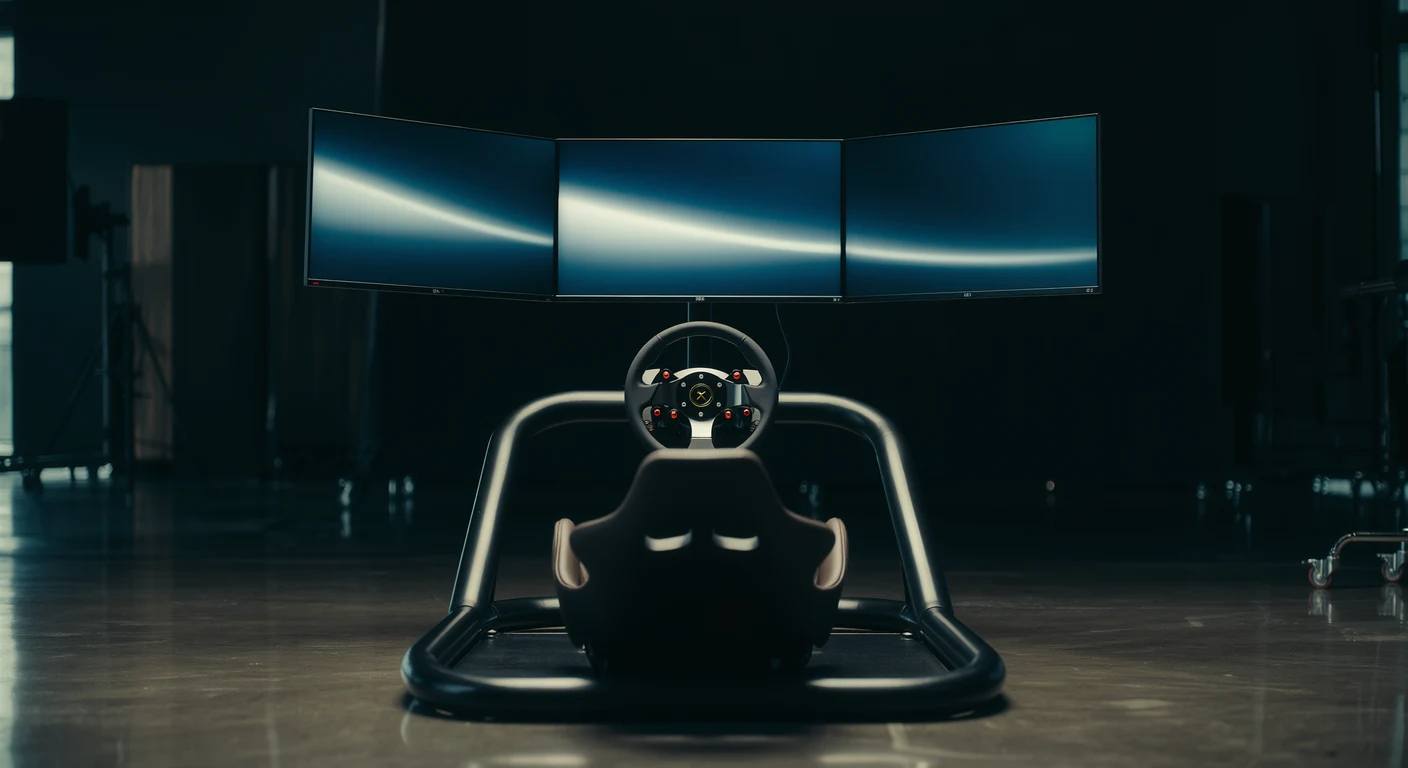
So, you’re looking to take your sim racing from good to genuinely awesome? You’ve probably got a steering wheel, pedals, and a decent monitor, but something’s still missing, right? That’s where a simulator frame, sometimes called a cockpit or rig, comes in. Think of it as the central nervous system for your racing setup, holding everything together and putting you in the most immersive position possible. It’s not just about looking cool; it’s about getting that real-world feel and unlocking your true racing potential.
Why Bother with a Simulator Frame?
Let’s get straight to the point: a sim racing frame is a game-changer. It elevates your experience by providing a stable, adaptable platform for your gear. Instead of awkwardly clamping your wheel to a desk or balancing pedals on the floor, everything is securely mounted and ergonomically positioned. This means you can focus entirely on the track, not on wrestling with loose equipment. It’s the closest you can get to being in a real race car without actually being there.
The Foundation of Immersion
Imagine this: you’re deep into a close race, the tires are screaming, and you’re making micro-adjustments. Without a solid frame, your wheel might flex, your pedals might slide, and you could lose that crucial connection to the virtual car. A good frame eliminates these distractions. It anchors your wheel, pedals, and even your seat, creating a unified, rigid structure. This rigidity translates directly into more accurate feedback. You’ll feel the subtle bumps, the tire grip, and the car’s weight transfer in a way that’s impossible with a makeshift setup. It’s like upgrading from a fuzzy picture to HD, everything becomes clearer and more detailed.
How a Frame Actually Improves Your Driving
This isn’t just about feeling fancy; it genuinely helps you drive faster and more consistently.
Better Feedback Loop
When your wheel and pedals are firmly attached to a strong frame, the force feedback from your wheel and the brake pedal feel much more direct and precise. You’re not fighting against flex or movement; you’re directly interpreting the car’s behavior. This allows you to get a much better sense of grip levels, when the tires are starting to slip, and how the car is reacting to your inputs. It makes it easier to find the limit and push closer to it.
Consistent Seating Position
A properly designed frame will allow you to adjust your driving position to match what you’d experience in a real car. This includes the height, angle, and distance of your wheel and pedals, as well as your seating position relative to them. Being able to consistently get into the same comfortable and effective driving posture every time you race makes a huge difference. You’ll be less fatigued, more focused, and able to react quicker because you’re not constantly adjusting your body or fighting an awkward setup.
Ergonomics Matter
Long racing sessions can take a toll if your setup isn’t ergonomic. A sim frame brings your steering wheel, pedals, and seat into a natural, comfortable alignment. This reduces strain on your wrists, arms, back, and legs. When you’re comfortable, you can concentrate better for longer periods, leading to more consistent lap times and a more enjoyable racing experience overall.
Types of Simulator Frames
Not all frames are created equal, and thankfully, there’s a pretty wide spectrum to choose from depending on your budget and how serious you are about sim racing.
The Playseat Style (All-in-One)
These are often the first entry point for many sim racers. They typically combine a seat and a frame into a single unit. They’re usually pre-assembled or require minimal assembly, making them very user-friendly. Great for those who want a dedicated racing seat without a lot of fuss.
- Pros: Easy setup, compact, often designed with portability in mind. Good for apartments or if you don’t want a permanent setup.
- Cons: Less adjustability than other options, can sometimes feel less rigid for very high-end, direct-drive wheels. The seat itself might not be as ergonomic as a separate racing seat.
The Profile Rig (Modular Gold Standard)
This is where things get serious, and for many, it’s the ultimate goal. These rigs are built from aluminum extrusion profiles (like the stuff you see in industrial automation). They offer unparalleled adjustability and rigidity. You can mount pretty much anything to them, and they’re incredibly robust.
- Pros: Extreme adjustability, incredible rigidity, highly customizable, future-proof. You can add or change components easily.
- Cons: Can be more expensive, requires more assembly time and some basic tools. Can be bulkier.
DIY and Custom Builds
Some folks love the challenge and satisfaction of building their own frame. This can range from modifying existing furniture to cutting and welding metal. It’s a great option for those with specific needs or a tight budget, but it requires woodworking, metalworking, or general fabrication skills.
- Pros: Potentially the cheapest option, completely customizable to your exact needs and space. Very rewarding if you enjoy building.
- Cons: Requires significant skill, time, and tools. Can be difficult to achieve the same level of refinement and rigidity as a professional product without expertise. Safety is also a bigger consideration.
What to Look for in a Simulator Frame
When you’re shopping around, don’t just pick the one that looks the coolest. There are some key features to keep your eyes peeled for.
Rigidity is King
This is the most important factor. A wobbly frame defeats the purpose. Look for solid construction, thick materials, and a design that minimizes flex, especially under load from a powerful force feedback wheel. Profile rigs excel here, but even some of the more robust Playseat-style options can be quite solid.
Adjustability is Key
Can you position the wheel at the right height and angle? Can you adjust the pedal height and distance? Will the seat allow you to get into a comfortable driving position that mimics a real car? The more adjustments you have, the better you can tailor the rig to your body and your preferences. This is where profile rigs truly shine.
Wheel Mounting
- Direct Wheel Mount: Some higher-end rigs offer a dedicated mounting plate for your wheelbase. This generally offers the most rigidity.
- Profile Mounting: With profile rigs, you’ll typically use T-slot nuts and brackets to attach your wheel mount. This is very secure.
- Adjustable Angle and Height: Essential for getting the right driving posture.
Pedal Mounting
- Fixed Pedal Plate: Many frames have a sturdy plate to screw your pedals onto.
- Adjustable Angle and Height: Crucial for brake feel and throttle control. Some rigs allow you to mount pedals from above, like in a race car.
- Reinforcement for Load Cells: If you have a load cell brake pedal, a strong pedal deck is important as they can exert significant force.
Seat Mounting
- Included Seat: Some rigs come with a racing seat.
- Separate Seat Mount: Most higher-end rigs will have brackets to mount a bucket seat or racing seat of your choice. This allows for much greater customization and comfort.
- Slider Rails: To adjust the fore-aft position of the seat.
Material and Build Quality
Aluminum extrusion is popular for profile rigs because it’s strong, lightweight, and easy to work with. Steel is also common, especially for more budget-friendly options or for certain structural components. Look at the thickness of the materials, the quality of the welds (if applicable), and the overall finish.
Compatibility
Does the frame support the type of steering wheel and pedals you have or plan to get? Some frames are designed with specific mounting patterns in mind. Profile rigs are usually very versatile, but it’s always worth double-checking. Also, consider if it can accommodate handbrakes or shifters if those are part of your setup.
Space Requirements
Be realistic about how much space you have. Some rigs are quite compact, while others, especially those with large seats, can take up a significant footprint. Measure your space before you buy!
Integrating Your Gear: The Little Things That Make a Big Difference
Once you’ve got your frame, it’s not just about bolting everything on. There are some smart ways to set it up to maximize your experience.
Cable Management
A clean setup is a happy setup. Invest in some cable ties, Velcro straps, or even a raceway to keep all those wires tidy. It looks better, prevents tripping hazards, and makes troubleshooting much easier if something goes wrong.
Monitor Mounting Solutions
Having your monitor directly in front of you, at the right height and distance, is crucial for immersion. Many sim frames have optional monitor stands that can be attached. If yours doesn’t, you might need to look at a separate monitor desk mount or a floor-standing unit. The goal is to have the screen filling your field of vision without straining your neck.
- Single Monitor Mounts: Often attach to the main frame structure.
- Triple Monitor Mounts: These are more involved and require a stronger support structure, often mounted from the rear of the rig.
- VR Integration: If you’re a VR user, you won’t need a monitor mount, but consider where your PC will be situated and how you’ll manage cables to avoid tangles during intense VR sessions.
Fanatec, Simucube, Thrustmaster: Compatibility Check
Different wheelbases and pedal sets have different mounting solutions. Larger, direct-drive wheels (like Simucube or some Fanatec models) require robust mounting that can handle a lot of force. Make sure the frame you choose is rated to support the type and strength of the equipment you have or aspire to acquire. A flimsy frame can’t handle a powerful direct-drive wheel!
Upgrading Your Experience Over Time
The beauty of a good sim racing frame, especially for profile rigs, is that they are upgradable. You don’t have to buy the absolute top-tier setup from day one.
Starting Small and Building Up
You can often start with a more basic frame and add components later. Perhaps you begin with a wheel and pedal mount and then add a shifter mount or a motion platform down the line.
The Entry-Level Rig
- A good quality, solid aluminum profile rig without all the bells and whistles, paired with a mid-range wheel and pedal set.
- Focus on the core elements: good wheel and pedal mounting that is adjustable.
The Enthusiast’s Rig
- A more robust profile rig with improved rigidity.
- Higher-end wheel and pedal set, possibly with load cell brakes.
- Dedicated racing seat for improved comfort and ergonomics.
- Potentially a dedicated monitor stand or triple monitors.
The Pinnacle Rig
- A top-tier, heavily reinforced profile rig optimized for maximum rigidity.
- High-end direct-drive wheelbase.
- Professional-grade pedals, potentially with hydraulic elements.
- Advanced motion platforms (but this is a whole other ball game!).
- Immersive triple or ultrawide monitor setup, or high-resolution VR.
Motion Platforms and Buttkickers
If you’re really looking to push the immersion envelope, a motion platform or a Buttkicker can add another layer of realism. These devices translate in-game events into physical sensations. While not technically part of the frame itself, a sturdy frame is often a prerequisite for effectively mounting and benefiting from these accessories. They can shake you with engine vibrations, impact from crashes, or the subtle shifts in weight transfer.
Conclusion: Investing in Your Passion
Ultimately, a simulator frame is an investment in your passion for sim racing. It’s not just a piece of furniture; it’s the backbone of your entire setup that directly impacts your performance, comfort, and enjoyment. Whether you start with a budget-friendly option or go all-in on a premium profile rig, the key is to choose something that is stable, adaptable, and allows you to position yourself correctly. By upgrading your sim racing frame, you’re not just upgrading your gear; you’re upgrading your entire racing experience, allowing you to delve deeper into the thrill of competition and push your virtual driving skills to their absolute limits.
FAQs
What is a racing simulator frame?
A racing simulator frame is a structure designed to hold a racing simulator setup, including a steering wheel, pedals, and seat. It provides stability and support for a realistic racing experience.What are the benefits of using a racing simulator frame?
Using a racing simulator frame provides a more immersive and realistic racing experience compared to using a regular desk or table. It also offers better stability and adjustability for the user’s comfort.What features should I look for in a racing simulator frame?
When choosing a racing simulator frame, look for features such as adjustable seat and wheel mount, sturdy construction, compatibility with different racing simulator setups, and the ability to accommodate additional accessories.How do I set up a racing simulator frame?
Setting up a racing simulator frame typically involves attaching the seat, mounting the steering wheel and pedals, and adjusting the frame to the user’s preferences. It’s important to follow the manufacturer’s instructions for proper assembly.Can a racing simulator frame be used with different racing simulator setups?
Yes, many racing simulator frames are designed to be compatible with various steering wheels, pedals, and other accessories, making them versatile for different racing simulator setups. However, it’s important to check the compatibility of the frame with specific equipment before purchasing.More from Cockpits & Rigs
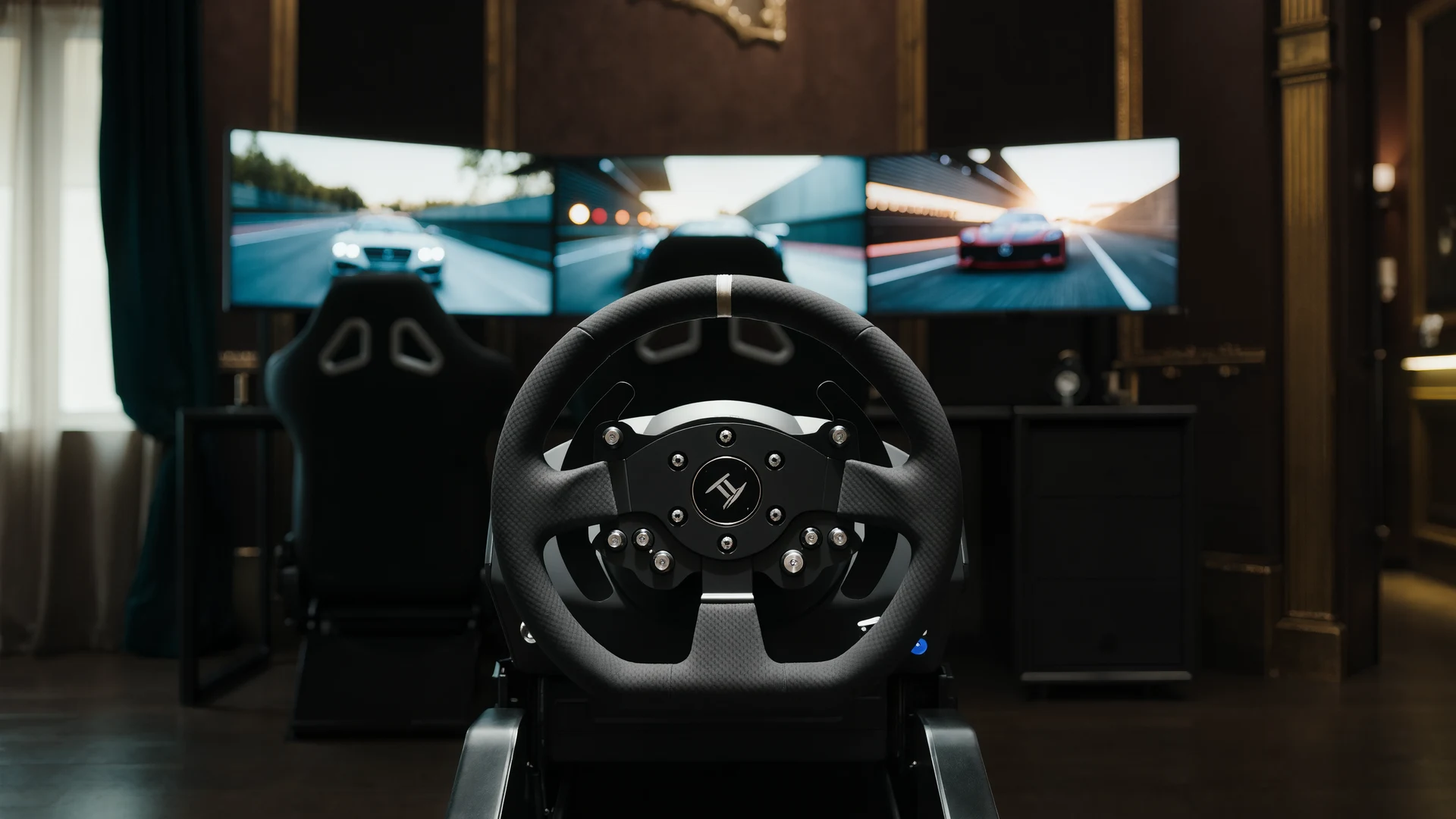
Sim Racing VR vs Triples Guide
VR vs triple monitors for sim racing in 2026: compare Quest 3, Pimax Crystal Light and triple 1440p setups on field of view, depth, comfort, cost and …
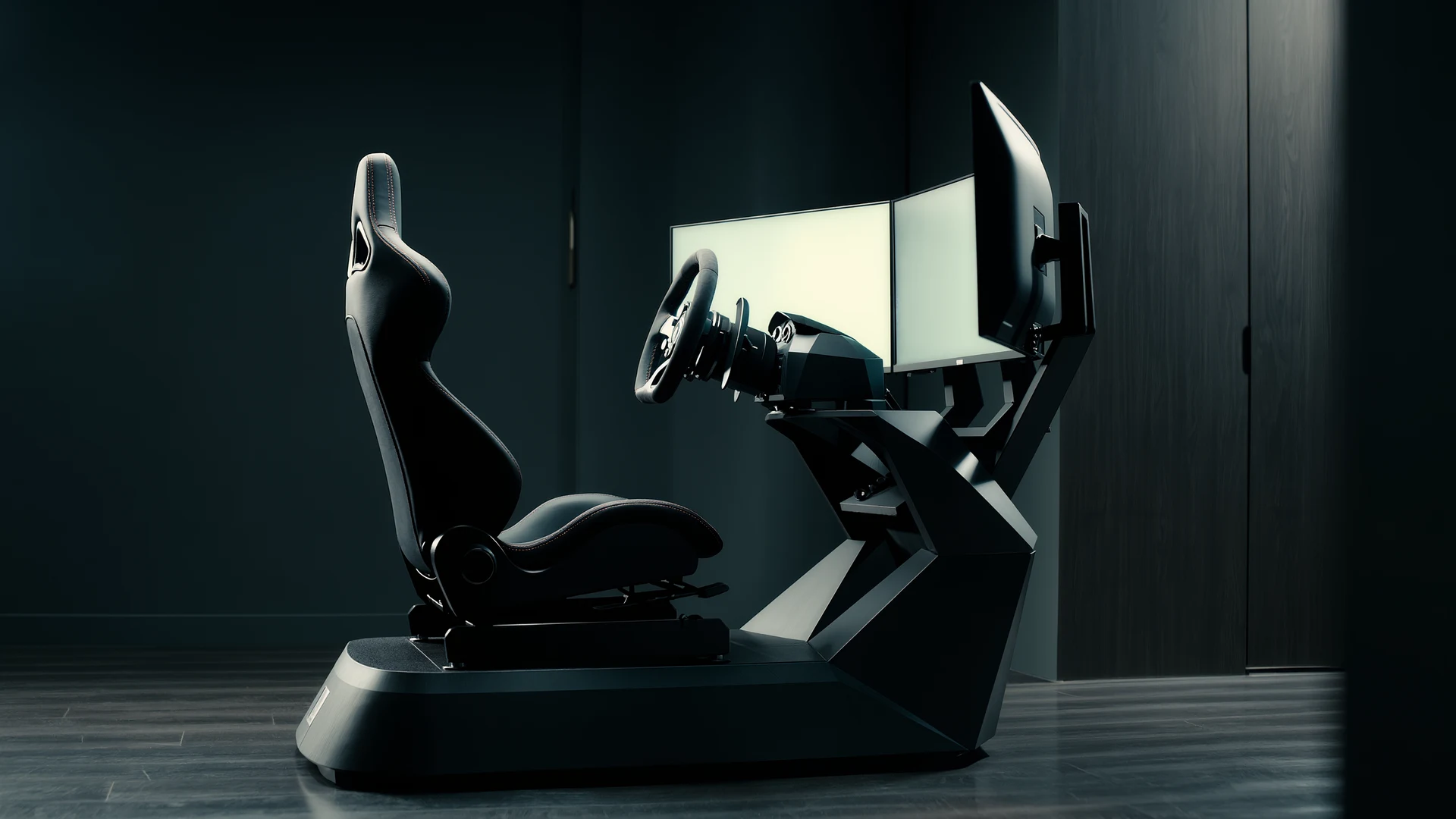
Sim Racing Motion Platforms Guide
Sim racing motion platforms guide: compare seat movers, chassis movers, D-BOX, PT Actuator, and bass shakers, with prices from $150 to $20,000-plus an…
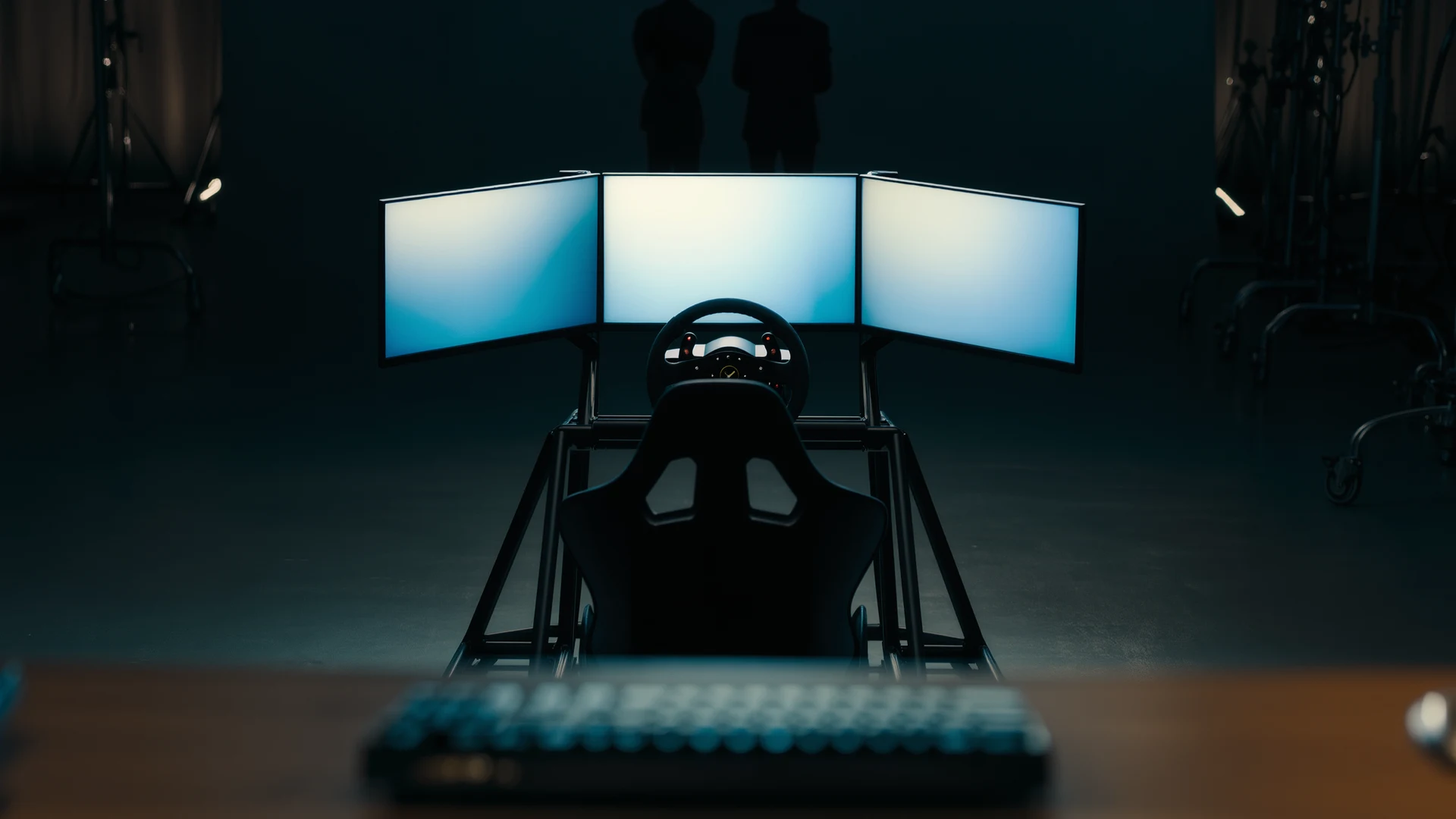
Sim Racing Cockpit Setup Guide
Sim racing cockpit setup guide: compare folding rigs, wheel stands, full cockpits and aluminum profile, plus seats, ergonomics and field-of-view tips.…