Mastering the Art of Racing with a Shifter
So, you want to master the art of racing with a shifter? Good news, it dramatically ups the immersion and skill ceiling in sim racing. The short answer is: it’s all about co…
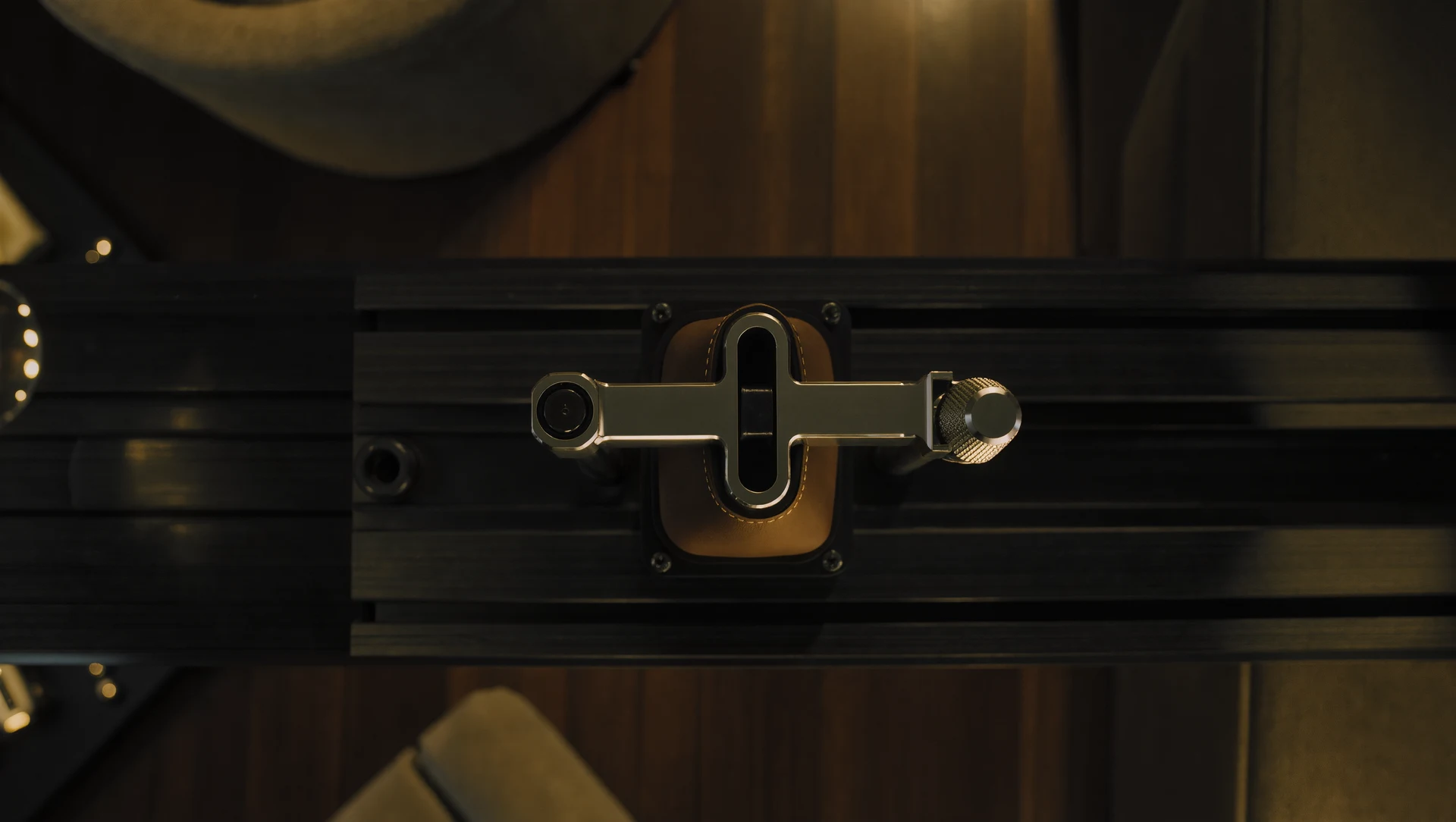
So, you want to master the art of racing with a shifter? Good news, it dramatically ups the immersion and skill ceiling in sim racing. The short answer is: it’s all about consistent practice, understanding your car, and developing a feel for precise, timely shifts. It’s not just about slamming gears; it’s about making each shift a seamless part of your race craft.
Why bother with a shifter when paddle shifters are arguably faster and easier? Well, there are a few compelling reasons.
The Immersion Factor
Let’s be honest, using a shifter feels right for many cars. Driving an old-school muscle car, a classic touring car, or even a modern sequential race car with a dedicated sequential shifter simply feels more authentic. It pulls you deeper into the experience, making you feel more connected to the machine you’re virtually piloting. This added immersion can surprisingly translate into better focus and consistency.
Skill Development and Control
While paddle shifters offer lightning-fast changes, a manual or sequential shifter demands more from you. You have to coordinate your hands and feet (if you’re using a clutch), which builds a more comprehensive skill set. This enhanced control can be invaluable, especially in cars that react strongly to weight transfer during gear changes. Knowing exactly when and how to shift adds another layer of car control you don’t get with paddles.
The “Cool” Factor
Okay, it’s a small point, but there’s an undeniable satisfaction in perfectly rev-matching a downshift or nailing an upshift at the opportune moment with a physical shifter. It’s a skill you earn, and it feels good to execute it flawlessly.
The Hardware: Choosing Your Weapon
Before you can master shifting, you need the right tools. The market offers a wide range of shifters, each with its own advantages.
H-Pattern Shifters
These are the classic three-pedal setups, replicating traditional manual transmissions. They require a clutch pedal for most realistic operations, though some games allow clutchless H-pattern shifting (which isn’t really mastering the art).
Entry-Level H-Patterns
Brands like Logitech and Thrustmaster offer more affordable options. They’re a great starting point to get a feel for H-pattern shifting without breaking the bank. Expect some plastic feel and less resistance than higher-end models, but they are perfectly functional for learning the fundamentals.
Mid-Range H-Patterns
Moving up, you’ll find shifters from brands like Fanatec. These often boast metal construction, adjustable resistance, and a more satisfying tactile feel. They offer a much closer experience to a real car’s gearbox and contribute significantly to immersion.
High-End H-Patterns
For the ultimate experience, look at shifters from professional-grade manufacturers. These are incredibly robust, highly customizable, and provide incredibly realistic feedback. They are an investment, but for dedicated sim racers, they offer unparalleled realism and durability.
Sequential Shifters
These shifters mimic the up/down motion of many modern race cars, rally cars, and even some high-performance street cars. They are generally simpler to operate as they don’t require the same complex gate pattern as an H-pattern.
Standalone Sequential Shifters
Many brands offer dedicated sequential shifters that can be mounted alongside your wheel. These often have a solid, satisfying “clunk” when engaging a gear, replicating the feel of a race car. They are usually very durable and precise.
Integrated Sequential Shifters
Some H-pattern shifters can be converted to sequential mode, offering the best of both worlds. This is a versatile option if you enjoy racing different types of vehicles. However, the feeling might not be as optimized as a dedicated sequential unit.
The Fundamentals of Shifting: Building Muscle Memory
No matter what shifter you choose, the core principles remain the same. It’s all about smooth transitions and timing.
Understanding Gear Ratios
Before you even touch the shifter, understand what your gears do. Lower gears provide more torque for acceleration but have a lower top speed. Higher gears offer less torque but higher top speeds and better fuel efficiency (though less relevant in sim racing unless there are particular fuel saving strategies involved). Knowing when your engine will be in its optimal power band for each gear is crucial. The sweet spot is usually near the redline before shifting up, and avoiding bogging down the engine on downshifts.
Clutch Control (for H-Pattern)
This is perhaps the biggest challenge for H-pattern users. A smooth clutch release is vital for avoiding wheel spin, damage to your virtual drivetrain, or upsetting the car’s balance.
The Bite Point
Every clutch has a “bite point”: the specific position where the clutch starts to engage the engine with the transmission. Finding this point with your simulator pedals and being able to consistently modulate pedal pressure around it is key to smooth starts and shifts. Practice finding it in a safe, straight line.
Clutch During Upshifts
For a clean upshift, depress the clutch quickly and fully, move the shifter smoothly into the next gear, and then release the clutch progressively. The faster you can do this while maintaining smoothness, the less power loss and unsettling of the car you’ll experience. Don’t dump the clutch unless you want to induce wheel spin (sometimes intentionally, but rarely for speed).
Clutch During Downshifts (Heel-Toe)
Ah, the holy grail of H-pattern shifting in racing! Heel-toe shifting involves depressing the clutch, braking, and blipping the throttle simultaneously with one foot (your right foot, specifically). This raises the engine RPM to match the wheel speed for the lower gear, preventing harsh engine braking that can destabilize the car, especially under heavy braking and corner entry.
- Brake firmly with the ball of your foot.
- Rotate your ankle to blip the throttle with your heel (or side of your foot).
- Simultaneously depress the clutch with your left foot and select the lower gear.
- Release the clutch smoothly.
This maneuver takes significant practice to get right consistently, but it’s essential for competitive H-pattern racing. Start slow, practice in a straight line under braking, and gradually integrate it into corners.
Throttle Modulation
Your throttle input isn’t just about going fast; it’s intricately linked to your shifting.
Upshifts and Power Delivery
When upshifting, a brief lift of the throttle (or slight modulation) concurrent with the clutch engagement helps to unload the transmission, making shifts smoother and prolonging the life of your virtual gears. For sequential, you often just lift and shift, but for H-patterns, clutch timing is paramount.
Downshifts and Engine RPM
As mentioned with heel-toe, blipping the throttle during downshifts (rev-matching) is critical. If you don’t rev-match, the engine will be forced to spin faster by the wheels, leading to significant engine braking, potential wheel lock-up, and instability.
Timing is Everything
Whether upshifting or downshifting, the timing of your actions (clutch, shifter, throttle) is paramount. Each sequence needs to be smooth and coordinated.
Upshift Timing
Shifting up too early (short shifting) leaves power on the table. Shifting too late (bouncing off the limiter) also loses time and puts stress on the engine. Aim to shift just before the engine hits its rev limiter, utilizing the full power band of each gear. Listen to the engine note and watch your tachometer.
Downshift Timing
Downshifts are typically performed under braking, often before turn-in. The goal is to be in the correct gear for corner exit before you reach the apex. Don’t downshift all the way to first gear for most corners; second or third gear is often sufficient to maintain momentum and control. Downshift progressively, one gear at a time, allowing for proper rev-matching.
Advanced Techniques: Refining Your Race Craft
Once you’ve got the basics down, you can start to refine your shifting for maximum performance.
Short Shifting
Sometimes, short shifting (shifting up before the redline) can be beneficial. This might be done to gain traction on a slippery surface, to reduce wheel spin out of a tight corner, or to manage tire wear over a long stint. It’s a strategic choice, not a default.
Skipping Gears
In some situations, particularly with powerful cars and long braking zones, you might skip a gear or two on a downshift. For example, going from 5th to 3rd. This requires excellent rev-matching to avoid unsettling the car. This is less common with H-patterns and more easily managed with sequential shifters where you can just hammer it down.
Left-Foot Braking with a Shifter
For those using a sequential shifter, left-foot braking is a technique to master. This involves using your left foot solely for the brake pedal, allowing your right foot to remain on the throttle for instantaneous power application. It’s incredibly efficient as it eliminates the fraction of a second it takes to move your right foot from brake to throttle.
Clutchless Shifting (Sequential)
Many sequential transmission cars in real life and sims allow for clutchless upshifts and sometimes clutchless downshifts with a proper blip. Modern sim hardware often supports this. For upshifts, a quick lift of the throttle just as you engage the next gear is often enough. For downshifts, a throttle blip is usually required. This allows for incredibly fast gear changes, minimizing power interruption.
Practice Makes Perfect: Drills and Mindset
Mastering a shifter isn’t a quick process. It requires dedication and strategic practice.
Dedicated Practice Sessions
Don’t just jump into races. Dedicate specific sessions to practicing shifting techniques.
The Clutch Drill (H-Pattern)
Start in a parking lot environment or a wide-open space. Practice engaging first gear from a standstill and driving slowly, focusing only on smooth clutch release. Repeat this until it’s second nature. Then, practice driving around, shifting up and down through all gears while focusing purely on smoothness and timing.
The Heel-Toe Drill
Find a long straight with a heavy braking zone at the end. Practice braking from top speed, performing perfect heel-toe downshifts from top gear all the way down to your apex gear. Focus on consistency in brake pressure, throttle blip pressure, and clutch release. Don’t worry about the corner; just focus on the braking and shifting.
Sequential Shift Rhythm
For sequential users, practice accelerating and hitting each upshift consistently at the optimal RPM. Then, focus on consistent downshifts under braking, ensuring you’re in the right gear for corner entry without upsetting the car.
Focus on Consistency, Not Speed (Initially)
When learning, prioritize smooth, consistent shifts over raw speed. A slightly slower but perfectly executed shift will be more beneficial than a fast but sloppy one that destabilizes the car or causes wheel spin. Speed will come naturally as your technique improves.
Listen to the Car
The engine sound is your best friend. Learn to recognize the optimal RPM for upshifting and the sound of a perfectly rev-matched downshift. The “feel” of the car through your force feedback wheel will also tell you if your shifts are unsettling the chassis.
Analyze Your Telemetry
Most sim racing titles offer telemetry data. Use it! Look at your RPM curves, speed, and gear changes. See if you’re consistently hitting your shift points. Analyze if your downshifts are causing spikes in wheel speed or engine RPM that indicate poor rev-matching. This objective data is invaluable for identifying areas for improvement.
Don’t Be Afraid to Humbly Reset
If a session isn’t going well, or you keep making the same mistake, take a deep breath, reset your car, and try again. Frustration is the enemy of learning. Approach each practice session with a patient, analytical mindset.
Final Thoughts: The Journey is the Reward
Mastering a shifter in sim racing is a challenging but incredibly rewarding endeavor. It transforms the driving experience, demanding more skill and coordination, but in return, it offers a deeper connection to the car and a greater sense of accomplishment. It’s a journey of continuous improvement, and every perfectly executed shift is a small victory. So, plug in that shifter, get your clutch ready, and start enjoying the nuanced and immersive world of manual racing. Have fun and happy shifting!
FAQs
What is a racing shifter?
A racing shifter is a component used in racing cars to manually shift gears. It is designed to provide quick and precise gear changes, allowing drivers to optimize their performance on the track.How does a racing shifter differ from a regular shifter?
A racing shifter is typically designed to be more compact, lightweight, and responsive compared to a regular shifter. It is also often equipped with features such as shorter shift throws and adjustable shift knobs to cater to the specific needs of racing drivers.What are the benefits of using a racing shifter?
Using a racing shifter can result in faster and more accurate gear changes, which can ultimately lead to improved lap times and overall performance on the track. Additionally, the precise control offered by a racing shifter can enhance the driving experience for racing enthusiasts.What are some popular brands of racing shifters?
Some popular brands of racing shifters include Sparco, B&M Racing, Hurst, and Tilton Engineering. These brands offer a range of racing shifters designed for different types of racing vehicles and driving preferences.Are racing shifters legal for street use?
In many jurisdictions, racing shifters are not legal for street use due to their design and functionality. It is important to check local regulations and laws regarding vehicle modifications before installing a racing shifter for street driving.More from Equipment & Gear
Sim Racing PC Build Guide
Sim racing PC build guide: why the AMD Ryzen 7 7800X3D wins on single-thread cache, how to match your GPU to your display, plus four complete budget b…
Sim Racing VR vs Triples Guide
VR vs triple monitors for sim racing in 2026: compare Quest 3, Pimax Crystal Light and triple 1440p setups on field of view, depth, comfort, cost and …
Sim Racing Motion Platforms Guide
Sim racing motion platforms guide: compare seat movers, chassis movers, D-BOX, PT Actuator, and bass shakers, with prices from $150 to $20,000-plus an…