Insurance and liability for a public simulator
Insurance and liability for a commercial simulator: where the duty of care comes from, which cover belongs on the list and how long a claim can arrive.
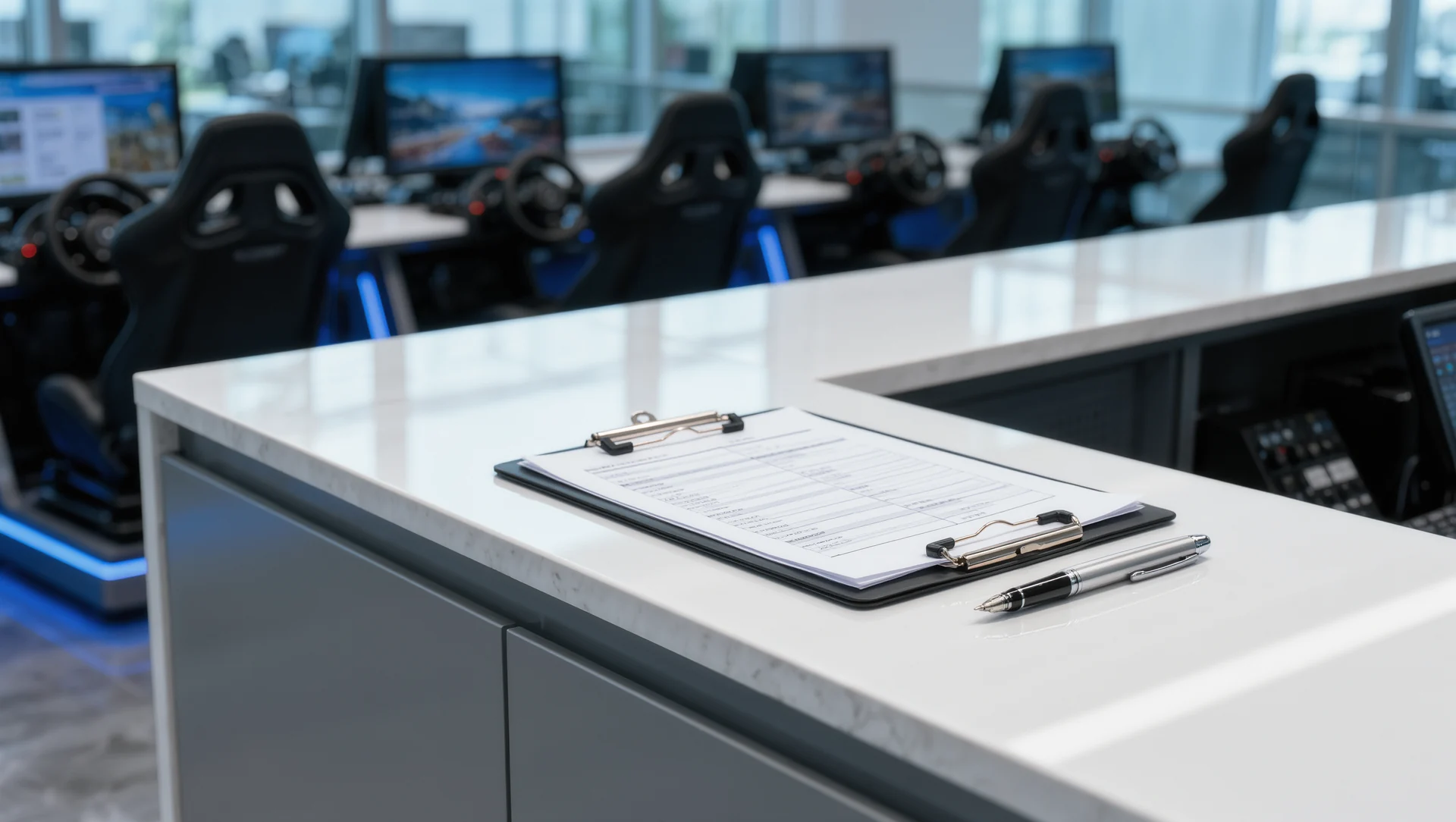
A simulator does not move, which is exactly why operators forget that everything around it does. The liability comes from the room, the seat and the cable, not from the racing.
Where the duty actually comes from
The general rule is short. Anybody who intentionally or negligently unlawfully injures the life, body, health, freedom, property or another right of another person is obliged to compensate the resulting damage.
The same obligation applies to anybody who breaches a statute intended to protect another person, and where the statute allows a breach without fault, the duty to compensate arises only where there is fault. That second sentence is why compliance with workplace and youth protection rules is itself a liability question.
Read together, the exposure of a simulator venue is ordinary premises liability. A cable across a walkway, a seat that collapses, a guest who faints and hits a frame: 3 entirely plausible events, none of which involve driving.
| Item | Detail |
|---|---|
| Basis of liability | compensation for unlawfully injuring life, body, health, freedom or property |
| Second basis | breach of a statute intended to protect another person |
| Standard limitation period | 3 years |
| Cover one | public liability |
| Cover two | property and equipment |
| Cover three | business interruption |
| Cover four | statutory accident insurance for staff |
| Insured hardware | about 100 kilograms per station, 6 stations on a floor |
| Revenue at risk during closure | about 84 slots a day |
| Incident record | date, station, people present, 2 photographs |
| Guest briefing | 3 sentences, identical every time |
The cover that belongs on the list
Public liability, first and without argument. It is the cover that answers the paragraph above, and no venue that admits members of the public should open a door without it.
Property and equipment cover, second. A floor of 6 stations at roughly 100 kilograms of hardware each is a substantial insured value, and the risks that reach it are theft, water and fire rather than anything a driver does.
Business interruption, third and most often skipped. A venue whose revenue is 84 slots a day loses that revenue entirely while a room is unusable, and the fixed costs continue through every week of the repair.
And employer obligations, fourth. Staff are covered by the statutory accident insurance system rather than by a policy you choose, and registering the business correctly is what puts them inside it.
How long a claim can arrive
The standard limitation period is 3 years. That is long enough that a venue which does not keep records will be defending an incident it cannot reconstruct.
Which makes documentation an insurance product in itself. An incident note with the date, the station, the people present and 2 photographs costs 5 minutes and is the only thing that will exist in year 3.
And it makes the maintenance log worth keeping. A venue that can show its seats, frames and cabling were checked on a stated schedule is arguing about a documented process rather than about somebody's memory.
The practical measures that reduce the exposure
Route every cable outside the walking area. Cable trunking is the cheapest liability reduction available in the whole building, and trip incidents are the most common thing that happens in a room full of standing spectators.
Brief every guest in the same 3 sentences. Where the stop is, that they may stop at any time, and not to stand up until the wheel is still. A briefing given identically to everybody is a briefing you can testify to.
And set a maximum session length for guests who show discomfort. A rule that any guest may leave the seat at any time without explanation removes the pressure that turns mild discomfort into an incident, and costs the business a single 15 minute slot.
Sources
Frequently asked questions
What is the main liability risk of a simulator venue?
Ordinary premises liability. Cables, seats and falls, not anything that happens on the screen.
How long after an incident can a claim arrive?
The standard limitation period is 3 years, which is why an incident note and 2 photographs matter.
Which cover is most often forgotten?
Business interruption. Fixed costs continue while a closed room earns none of its usual 84 slots a day.
What is the cheapest risk reduction?
Cable trunking. Trip incidents are the most common event in a room full of standing spectators.
More in Business & Events
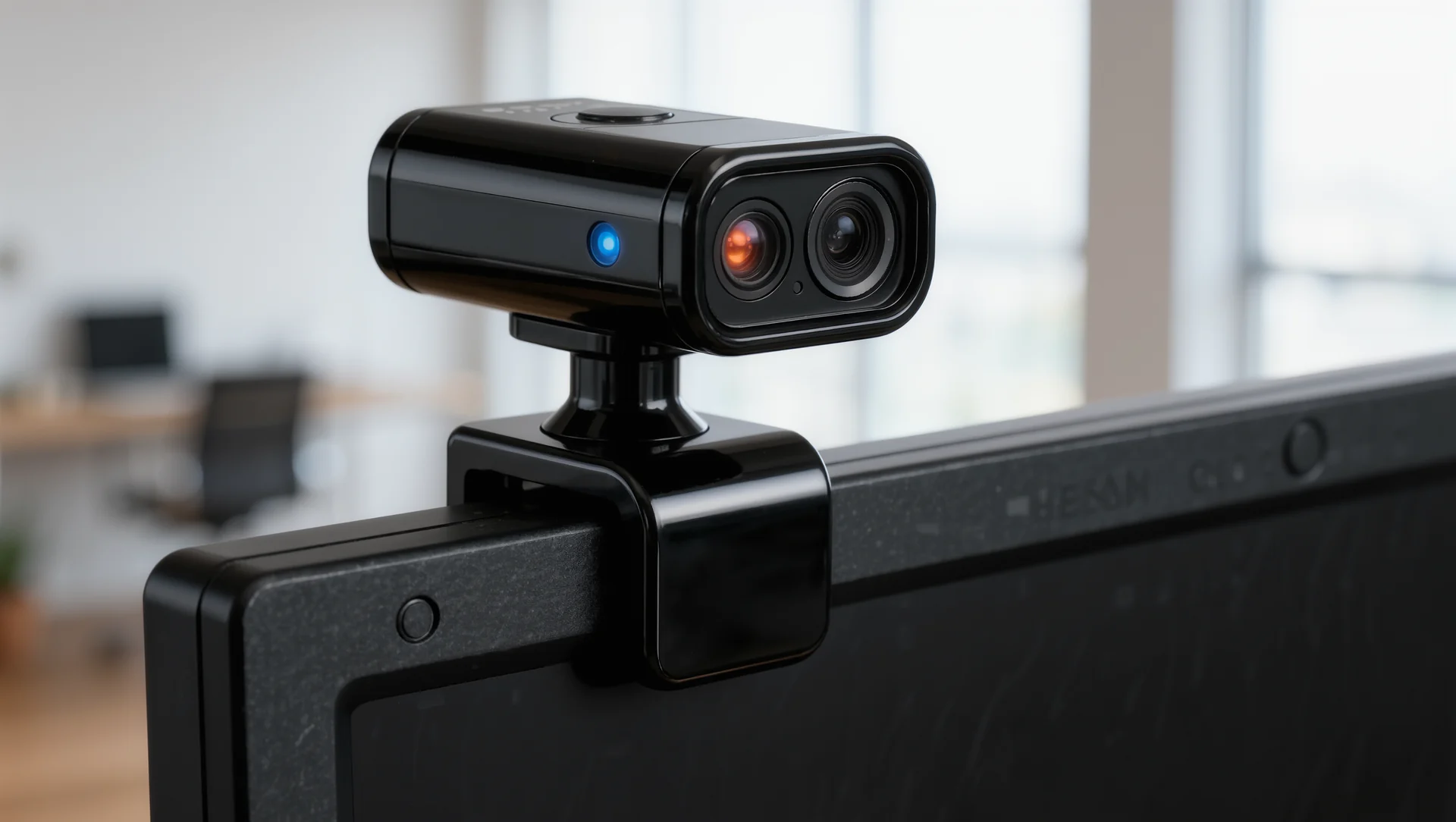
Head tracking and eye tracking on a flat screen
Head tracking and eye tracking on a flat screen: what each one actually does, the published latency and degrees of freedom, and which problem they solve.
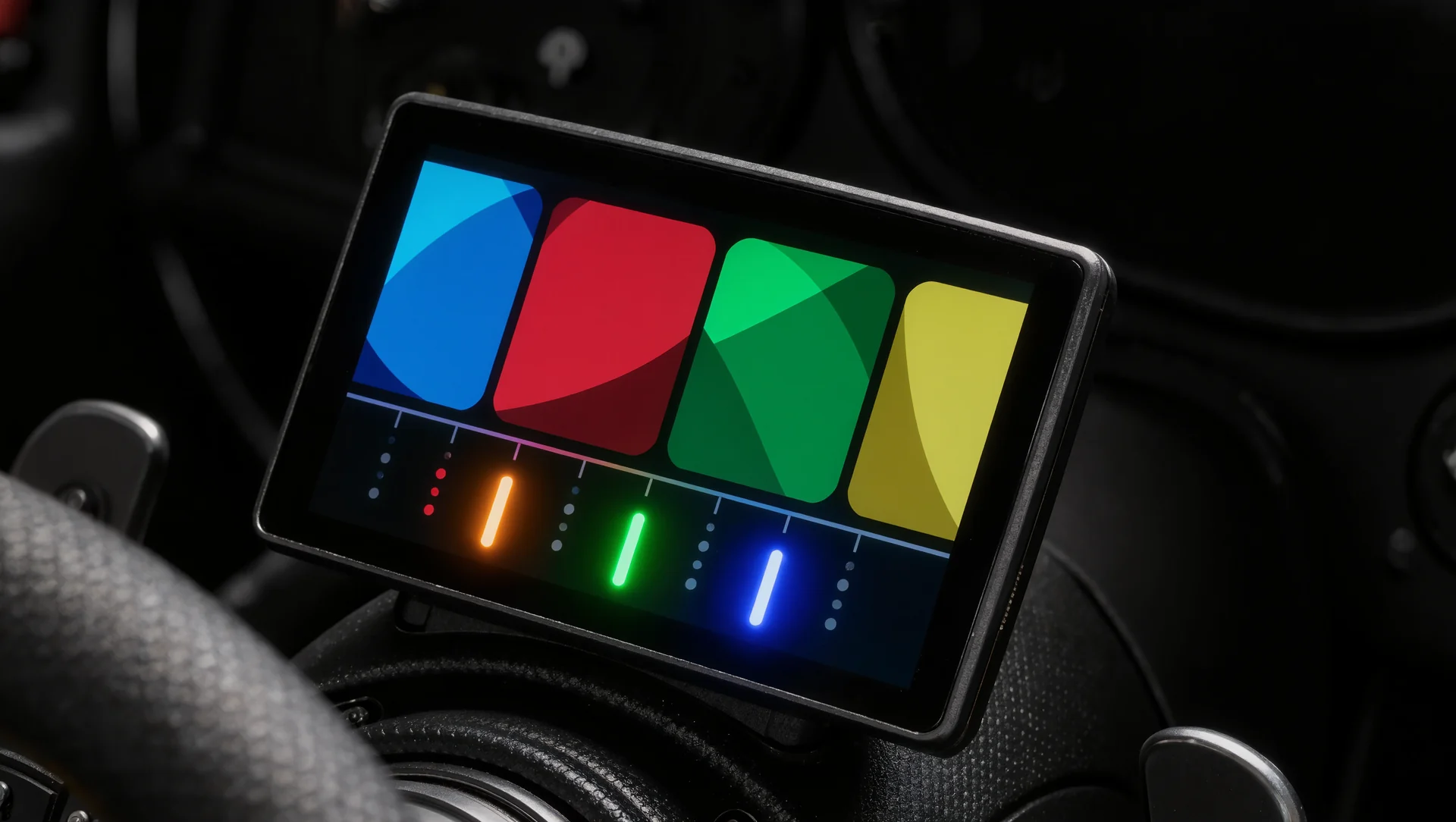
Dashboards and telemetry overlays without the clutter
Dashboards and telemetry overlays without the clutter: what the software does, which four readouts earn their place and where an overlay costs more than it gives.
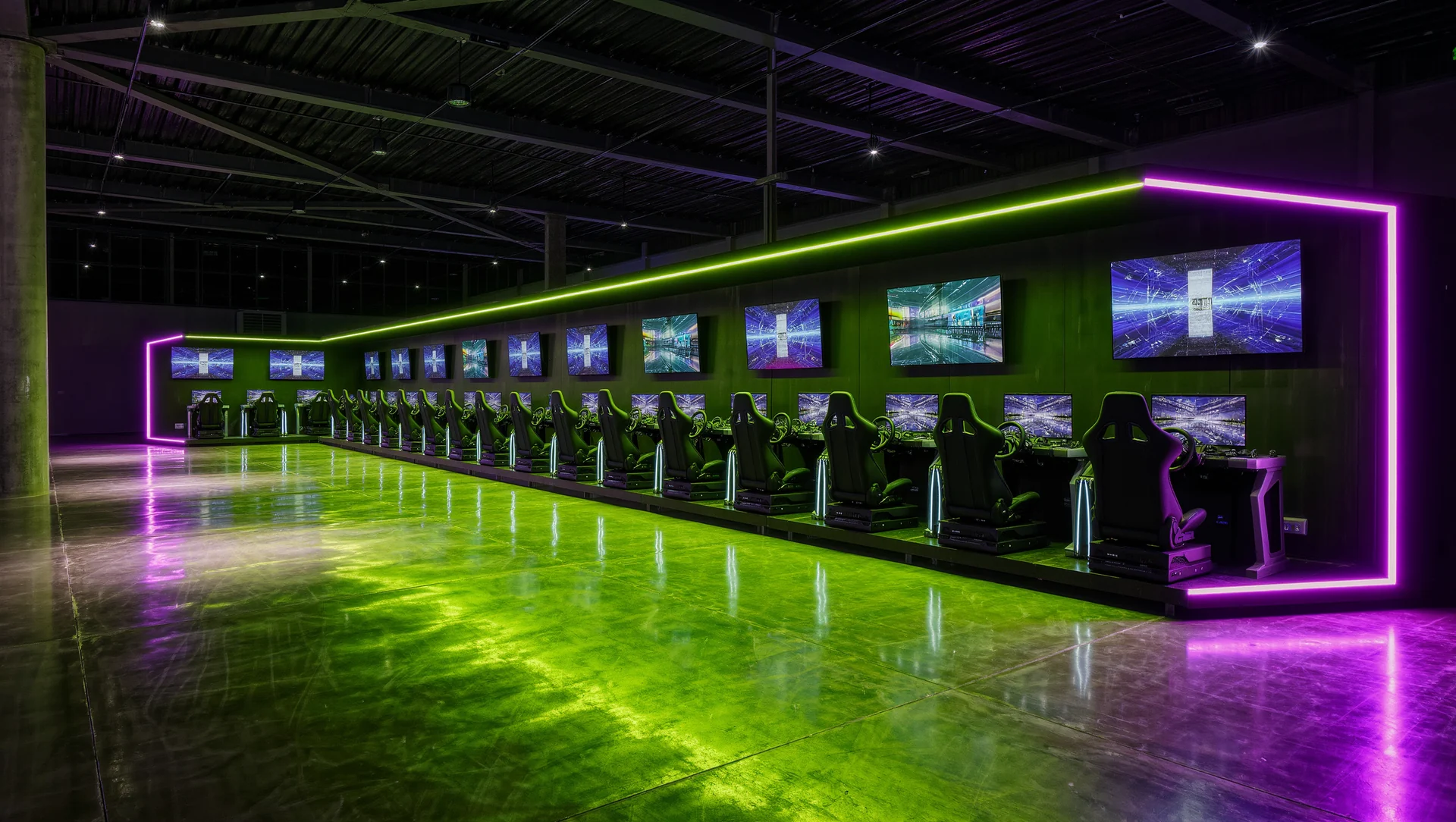
Opening a sim racing centre: the numbers before the dream
Opening a sim racing centre: the throughput arithmetic, the electrical and space requirements and the costs that only appear after the first month.