Trail braking: the technique that separates the field
Trail braking explained through the friction circle: why it works, what it costs when done wrong and how to learn it in one session per corner.
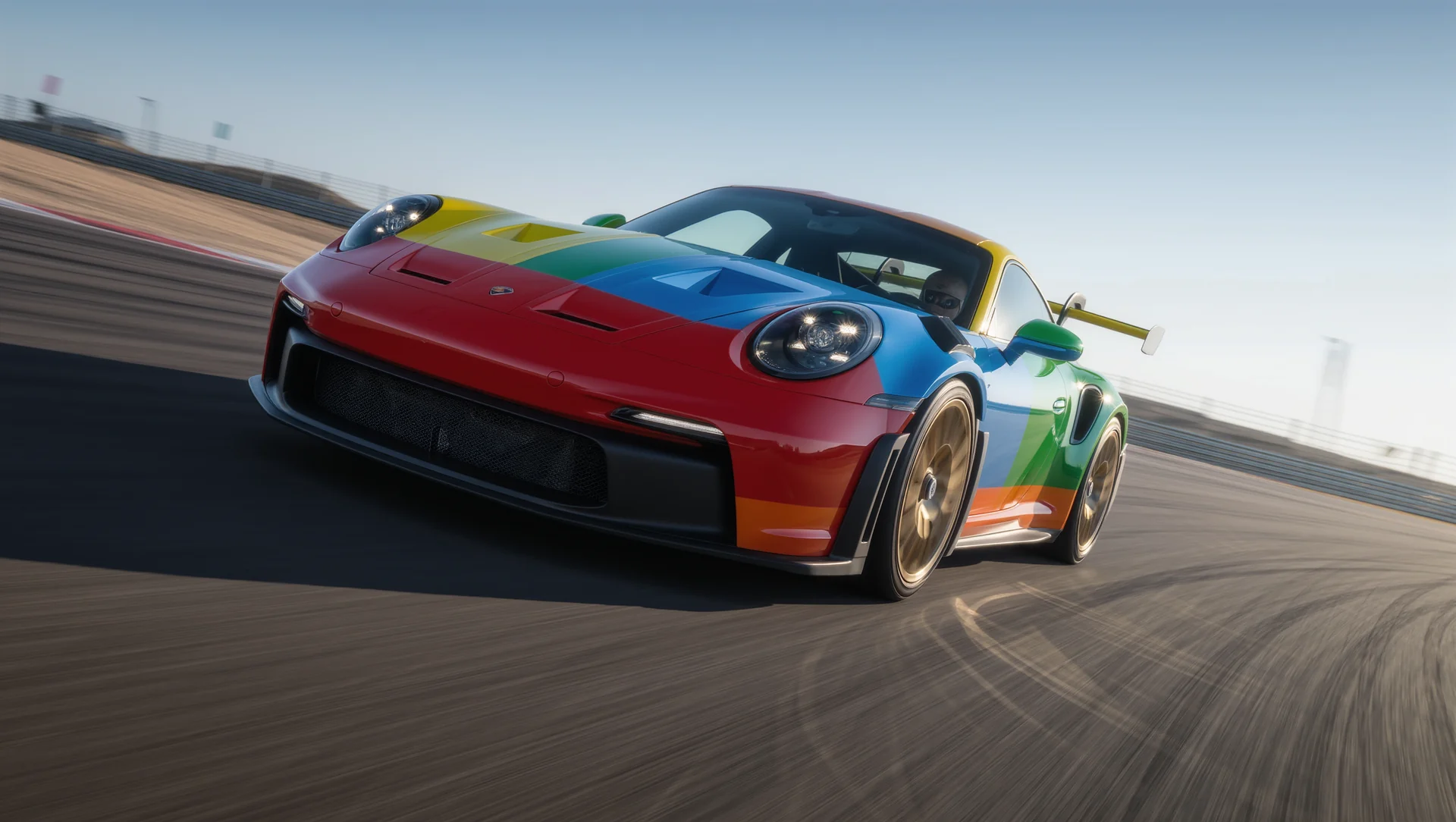
A tyre has one budget of grip and you decide how to spend it between braking and turning; trail braking is simply spending it continuously rather than in two separate lumps. That is the whole idea, and everything difficult about it follows from the fact that the budget shrinks as the car slows.
The friction circle in numbers
A tyre can generate a total force in any direction, and the limit is roughly a circle. If a tyre can produce 1.5 g in a straight line, it can produce 1.5 g of cornering force with no braking, or a combination in between. At 1.2 g of braking, the remaining lateral capacity is the square root of 1.5 squared minus 1.2 squared, which is about 0.9 g.
That single sum explains the technique. Braking hard and turning hard at the same moment asks for more than the circle allows, so the driver has to trade one for the other continuously: as steering angle goes in, brake pressure comes out, and the sum stays on the edge of the circle rather than crossing it.
The reason it is faster is that the alternative wastes capacity. Braking in a straight line and then turning means the tyre spends the transition below its limit, and at a corner entry lasting two seconds that is two seconds of unused grip. Nothing about trail braking is magic; it is the removal of a gap.
| Situation | Available lateral grip |
|---|---|
| No braking, tyre limit 1.5 g | 1.5 g |
| Braking at 0.5 g | about 1.41 g |
| Braking at 1.0 g | about 1.12 g |
| Braking at 1.2 g | about 0.9 g |
| Braking at 1.5 g | none |
Why it is hard
The budget shrinks as you slow down, and it shrinks fastest in a car with aerodynamic downforce. A prototype at 250 km/h has far more grip than the same car at 120 km/h, so the brake pressure that is correct at the start of the zone locks the wheels at the end of it. The release is not linear and cannot be.
It also depends on a pedal that reports force. A pedal measuring travel gives you no way to release a defined proportion of pressure, which is why drivers on travel based pedals often describe trail braking as unlearnable. On a load cell rated at 120 kg delivering about 65 kg at the pedal face, releasing from 80 to 40 per cent is a leg movement you can reproduce.
And it interacts with the balance. Brake bias forward stabilises the car and reduces rotation; bias rearward increases rotation and the risk of the rear stepping out. A driver learning trail braking with a rearward bias is learning two things at once and will blame the technique.
Learning it corner by corner
Pick one slow corner and drive it twenty times with no trail braking at all: brake in a straight line, release fully, then turn. That is the baseline, and you need the lap time and the exit speed from it.
Then repeat with the release moved later in steps. Hold ten per cent of brake pressure into the first part of the turn, then twenty, and watch the exit speed rather than the entry. Trail braking that improves entry speed and hurts exit is trail braking done wrong, and the exit number tells you immediately.
Stop increasing when the rear starts to move. That point is your limit for this car, this corner and this brake bias, and it moves when any of the three changes. Note it and move to the next corner rather than chasing the last per cent.
The mistakes that look like talent
The first is trailing all the way to the apex in every corner. Long, fast corners often want the brake released before turn in, and a driver applying one technique everywhere is slower than one who applies it selectively.
The second is using it to fix a car that understeers. Trail braking rotates the car, so it hides a balance problem rather than solving it, and the hidden problem returns as soon as the fuel load changes.
The third is judging it by feel. The force feedback tells you the front tyres are working but not whether the exit was faster, and only the exit speed at the same point on two laps answers that.
Sources
Frequently asked questions
Do I need a load cell for trail braking?
Practically yes. Releasing a defined proportion of pressure is the technique, and a travel based pedal does not let you set one.
Should I trail brake in every corner?
No. Slow, tight corners benefit most; long fast corners often want the brake released before turn in.
Why does my rear step out when I trail brake?
Usually brake bias too far rearward, or too much pressure carried too deep. Move the bias forward one click and try again.
How do I know it is working?
By exit speed at a fixed point, not by entry speed and not by feel. Faster in, slower out is the classic mistake.
More in Driving Technique
Le Mans Ultimate: where the sim stands now
Le Mans Ultimate in 2026: the published content, the physics figures, what the season update changed and who the simulator is now for.
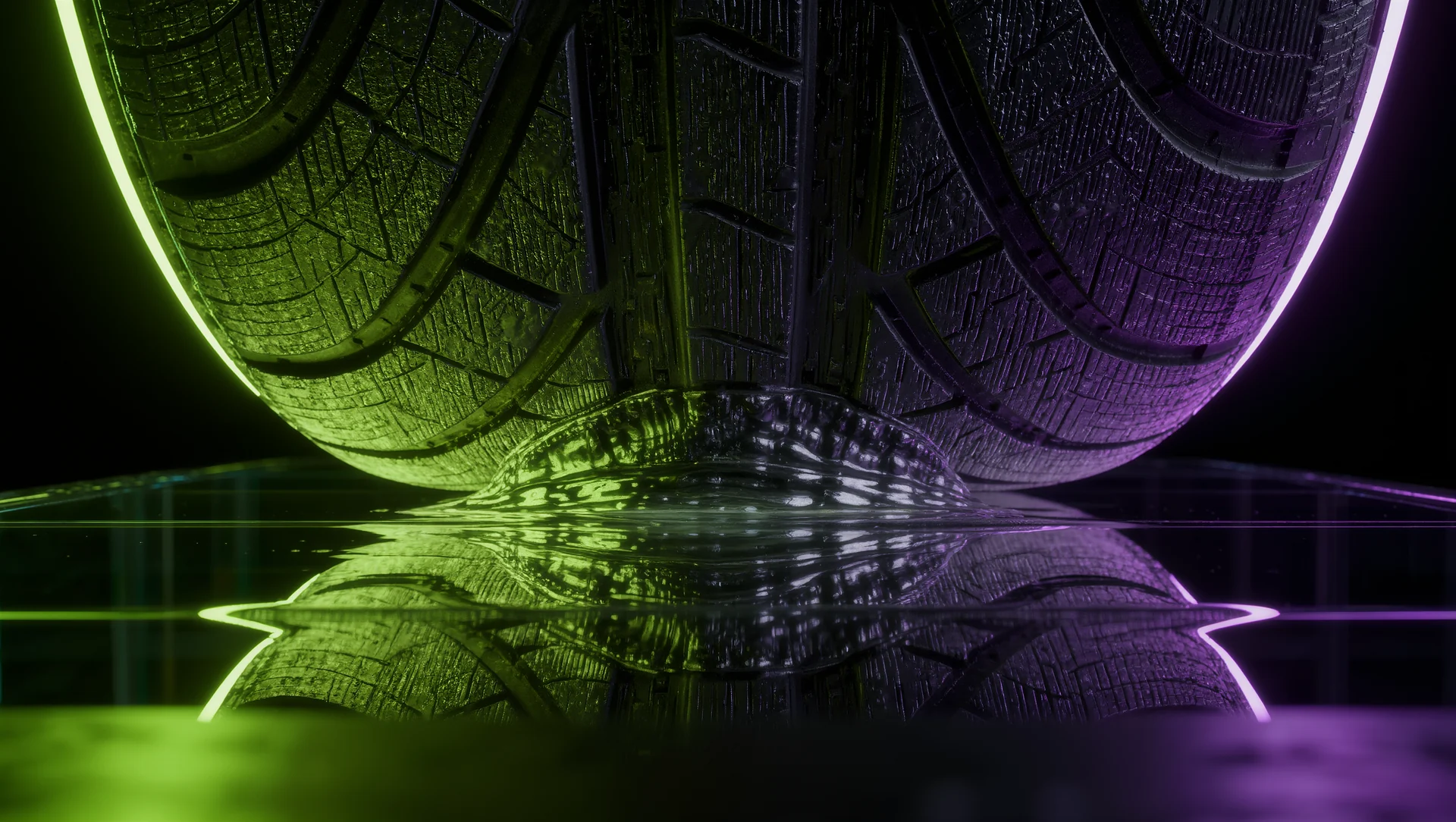
How the big sims differ where it counts: the tyre model
Where the big simulators really differ: not graphics or content, but the tyre model and the rate it runs at. What the published figures mean at the wheel.
Assetto Corsa mods: quality, safety and the legal edge
Assetto Corsa mods between quality, safety and copyright: what the official tools allow, where converted content crosses a line and how to judge a mod before installing it.