Upgrade Your Racing Experience with a Quality Racing Seat
So, you’re wondering if a quality racing seat is genuinely worth it for your sim setup or track car. The short answer? Yes, absolutely. It’s one of those upgrades that …

So, you’re wondering if a quality racing seat is genuinely worth it for your sim setup or track car. The short answer? Yes, absolutely. It’s one of those upgrades that might seem less glamorous than a new wheel or engine mod, but it fundamentally transforms your interaction with the vehicle, whether digital or real. It’s not just about looking cool; it’s about control, comfort, and ultimately, faster, more consistent performance.
Let’s be honest, most stock seats are designed for daily driving. They prioritize a balance of comfort for commuting, easy entry and exit, and a broad range of body types. While perfectly fine for grocery runs, these design choices fall short when you’re pushing the limits.
Lack of Lateral Support
This is arguably the biggest issue. When you’re cornering hard, a stock seat lets you slide around. You end up bracing yourself against the steering wheel or door, which means your arms are fatigued, and your focus is split between steering and staying put. This isn’t just uncomfortable; it directly impacts your ability to feel what the car is doing.
Poor Feedback Transfer
Your body is a massive sensor. A quality racing seat firmly connects you to the chassis, allowing you to feel subtle movements, vibrations, and G-forces that your stock seat simply dampens away. This feedback is critical for anticipating slides, understanding tire grip, and making precise adjustments.
Inadequate Ergonomics for Performance Driving
Stock seats often place you in a more upright, relaxed posture. For performance driving, you want to be more reclined, with your legs extended and arms bent at a comfortable angle to the wheel. This ergonomic difference might seem minor, but over extended sessions, it significantly reduces fatigue and improves control.
The Ergonomic Advantage: More Than Just Comfort
A good racing seat isn’t just comfortable in the traditional sense; it’s ergonomically designed to support you precisely when you need it most. This translates directly to better performance and endurance.
Enhanced Body Stability
Imagine your body as an integral part of the car’s structure. With a racing seat, you become just that. The deep bolsters and snug fit prevent lateral movement, allowing you to focus your physical energy on steering, braking, and throttle input rather than fighting to stay in position. This stability also means less muscle strain in your core and shoulders.
Optimized Driving Position
Racing seats often feature a more reclined seating angle, which can improve blood flow and reduce strain on your back and legs. Paired with a proper pedal and steering wheel setup, this creates an optimal ergonomic triangle that reduces fatigue over long stints. You’re not just sitting; you’re integrated.
Reduced Fatigue
When you’re not constantly bracing yourself or fighting to stay in place, your energy expenditure drops significantly. This directly translates to longer periods of peak performance. Less fatigue means sharper reflexes, better decision-making, and more consistent lap times, whether on the track or in your sim rig.
Better Control and Feedback: Listening to Your Car
This is where a quality racing seat truly shines. It acts as a conduit, enhancing your connection to the vehicle and providing invaluable sensory information.
Feeling the Car’s Limits
With a firm, supportive seat, you’ll start to feel nuances in the chassis that were previously lost. The faint rumble as tires lose traction, the subtle shift in weight during a corner, the early signs of oversteer or understeer, these all become more apparent. This heightened sensitivity allows you to react quicker and more proactively.
Improved Steering and Pedal Input
When your body isn’t moving independently of the car, your arms and legs can operate with greater precision. You’re not accidentally pushing the pedals harder or turning the wheel more aggressively because you’re sliding around. Every input becomes more deliberate and accurate, leading to smoother, faster driving.
Consistency Over Laps
Being able to consistently feel the same things lap after lap helps build muscle memory and a deeper understanding of your car’s behavior. This consistency is paramount for shaving off those crucial tenths of a second and maintaining a high level of performance throughout a race.
Types of Racing Seats: Choosing Your Weapon
Racing seats generally fall into two main categories: reclinable and fixed-back (bucket) seats. Each has its own strengths and ideal applications.
Reclinable Racing Seats
These seats offer adjustment for the seatback angle, making them a more practical choice for cars that still see regular street use or for sim racers who might share their rig with others wanting different recline angles.
When Reclinable Makes Sense
- Dual-Purpose Vehicles: If your track car is also your daily driver, the ability to recline for comfort on longer commutes is a huge plus.
- Ease of Entry/Exit: They’re generally easier to get in and out of compared to fixed-back seats, which can be useful in real cars.
- Sim Rigs with Multiple Users: If more than one person uses your sim setup, a reclinable seat allows for personalized comfort.
- Budget Considerations: Often slightly less expensive than high-end fixed-back seats, though price still varies wildly depending on brand and materials.
Considerations for Reclinable Seats
- Slightly Less Support: While vastly superior to stock seats, the reclining mechanism adds a bit of weight and can introduce tiny amounts of flex compared to a rigid fixed-back seat.
- Heavier: The added mechanisms make them heavier than comparable fixed-back seats.
- Less Aggressive Bolstering: Generally, the bolstering won’t be as extreme as dedicated fixed-back race seats.
Fixed-Back (Bucket) Racing Seats
These seats offer no recline adjustment. They are designed purely for performance and maximum support, typically found in dedicated race cars and serious sim rigs.
When Fixed-Back is the Go-To
- Dedicated Track Cars: If your car rarely sees the street, a fixed-back seat provides the ultimate in safety, support, and weight savings.
- Serious Sim Racers: For a dedicated sim setup, a fixed-back seat provides an unparalleled connection and immersion. You’re not going to be reclining for a nap in your sim rig anyway.
- Maximum Feedback and Support: The rigid construction means zero flex and maximum transfer of sensory information from the chassis.
- Safety (Real Cars): Fixed-back seats are often designed to work optimally with multi-point harnesses (4, 5, or 6-point) and are often FIA-approved, which is crucial for competitive racing.
Considerations for Fixed-Back Seats
- Lack of Adjustability: Once it’s bolted in, the recline angle is set. This means careful consideration during installation for your ideal driving position.
- Less Comfortable for Daily Driving: Getting in and out can be a chore, and the aggressive bolstering isn’t designed for relaxed cruising.
- Sizing is Crucial: These seats are highly sculpted for specific body types. Trying before you buy is essential as a seat that’s too wide or too narrow will be uncomfortable and ineffective.
- Harness Requirement: For real cars, they almost always necessitate a multi-point harness for proper safety and support.
Installation and Setup: Don’t Skimp on the Details
Buying a great seat is only half the battle. Proper installation and setup are just as crucial for realizing its full benefits.
Seat Mounts and Sliders
For real cars, you’ll need specific seat brackets and sliders (if desired) to adapt the racing seat to your vehicle’s floor pan. Ensure these are high quality and designed for your specific car and seat model. For sim rigs, robust sim-specific seat mounts are essential to prevent flex.
The Driving Position Triangle
This is a fundamental concept. You want your feet to comfortably reach the pedals with a slight bend in your knees, your wrists to rest on top of the steering wheel with your arms slightly bent, and your back to be fully supported by the seat. Adjusting seat height, distance, and angle are key.
Harness Integration (Real Cars)
If you’re installing a fixed-back seat in a real car, a multi-point harness (4, 5, or 6-point) is almost mandatory. Ensure the harness is properly routed through the seat’s harness slots and anchored correctly to the chassis or a dedicated roll cage. Never attach a harness to a stock seat belt point without ensuring it’s designed for multi-point harness loads.
Sim Rig Specifics
For sim rigs, ensure your seat is mounted securely to your rig’s chassis. Any flex in the seat base or mounting rails will negate the benefits of a rigid seat. Height and distance to the pedals and wheel are paramount for immersion and ergonomics. Experiment until it feels natural and comfortable for extended periods.
The Long-Term Payoff: Is It Really Worth the Investment?
While a quality racing seat can be a significant investment, the returns are substantial, whether you’re a seasoned racer or a dedicated sim enthusiast.
Improved Performance
Faster lap times, better consistency, and fewer mistakes. This is the ultimate goal, and a good seat directly contributes to achieving it by enhancing control and feedback.
Enhanced Safety (Real Cars)
In a real car, proper seating and harnessing significantly improve driver safety in the event of an impact, keeping you firmly in place and reducing the risk of injury. This is not just a performance upgrade but a safety upgrade.
Greater Enjoyment and Immersion
When you’re comfortable, supported, and truly connected to the vehicle, the driving experience becomes exponentially more enjoyable. For sim racers, this translates to deeper immersion and a more realistic feel.
Longevity and Durability
Quality racing seats are built to last, enduring the rigors of track use or countless hours in a sim rig. They’re designed with durable materials and robust construction, meaning your investment will pay dividends for years to come.
Ultimately, a quality racing seat is much more than just a place to sit. It’s a performance enhancer, a safety feature, and a key component in maximizing your driving potential. It’s an upgrade you’ll feel every single time you get behind the wheel. Don’t underestimate its impact, it’s often one of the best investments you can make for your racing passion.
FAQs
What is a racing seat?
A racing seat is a specialized seat designed for use in racing vehicles, such as cars, motorcycles, or boats. It is designed to provide support and safety for the driver during high-speed maneuvers and impacts.What are the key features of a racing seat?
Key features of a racing seat include a high level of lateral support to keep the driver in place during cornering, a strong and lightweight construction to minimize weight and maximize safety, and compatibility with racing harnesses for added security.Why are racing seats important in motorsports?
Racing seats are important in motorsports because they provide crucial support and safety for the driver during high-speed racing. They help to minimize the risk of injury during impacts and provide stability during aggressive driving maneuvers.How do racing seats differ from standard car seats?
Racing seats differ from standard car seats in that they are designed specifically for the demands of racing. They typically have a more aggressive shape, higher side bolsters, and are constructed from materials such as carbon fiber or fiberglass for increased strength and weight savings.Are racing seats legal for use on public roads?
In many jurisdictions, racing seats are not legal for use on public roads due to their specialized design and lack of features required for standard passenger safety. It is important to check local regulations before installing racing seats in a vehicle intended for road use.More from Equipment & Gear
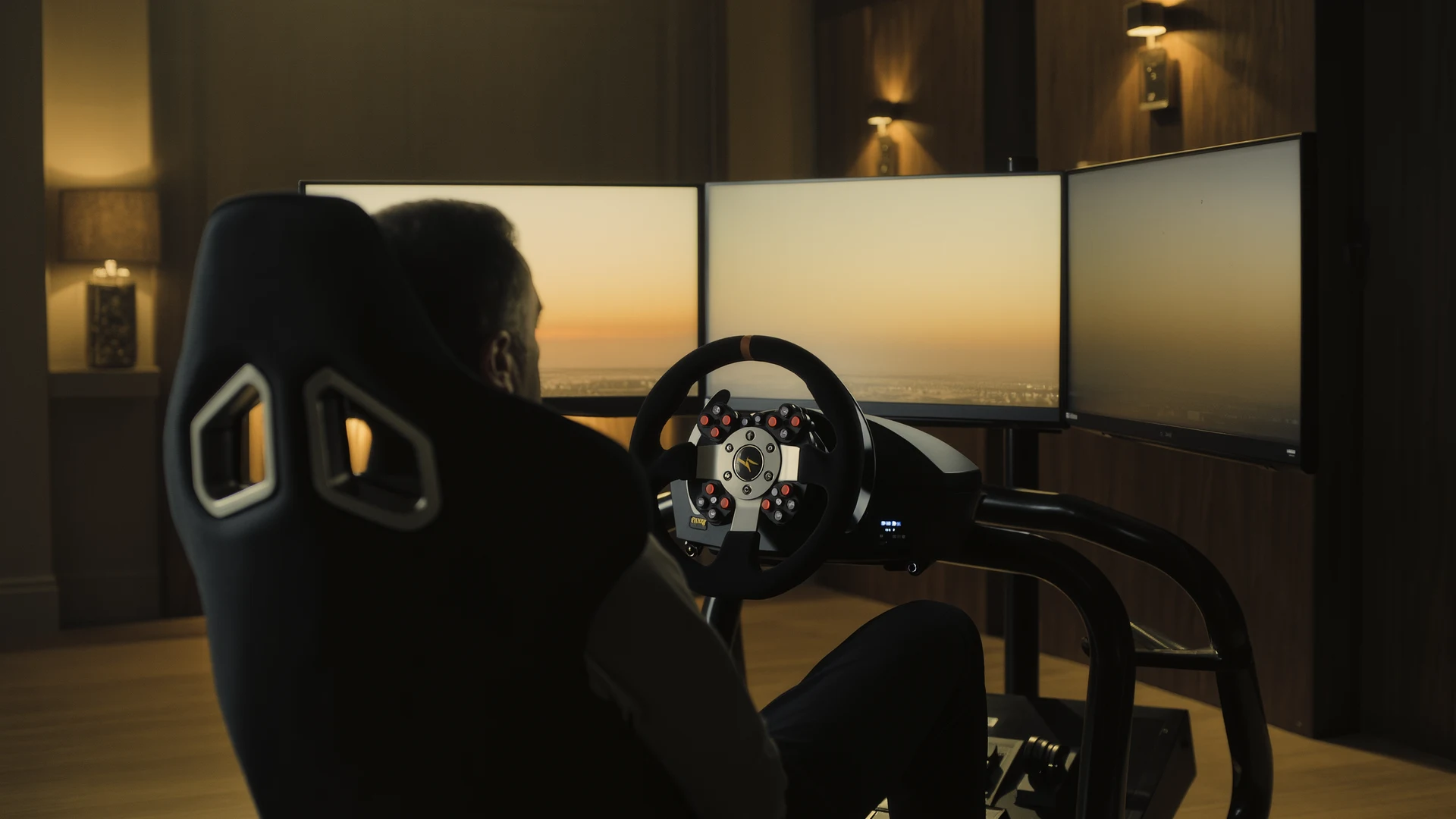
Sim Racing PC Build Guide
Sim racing PC build guide: why the AMD Ryzen 7 7800X3D wins on single-thread cache, how to match your GPU to your display, plus four complete budget b…
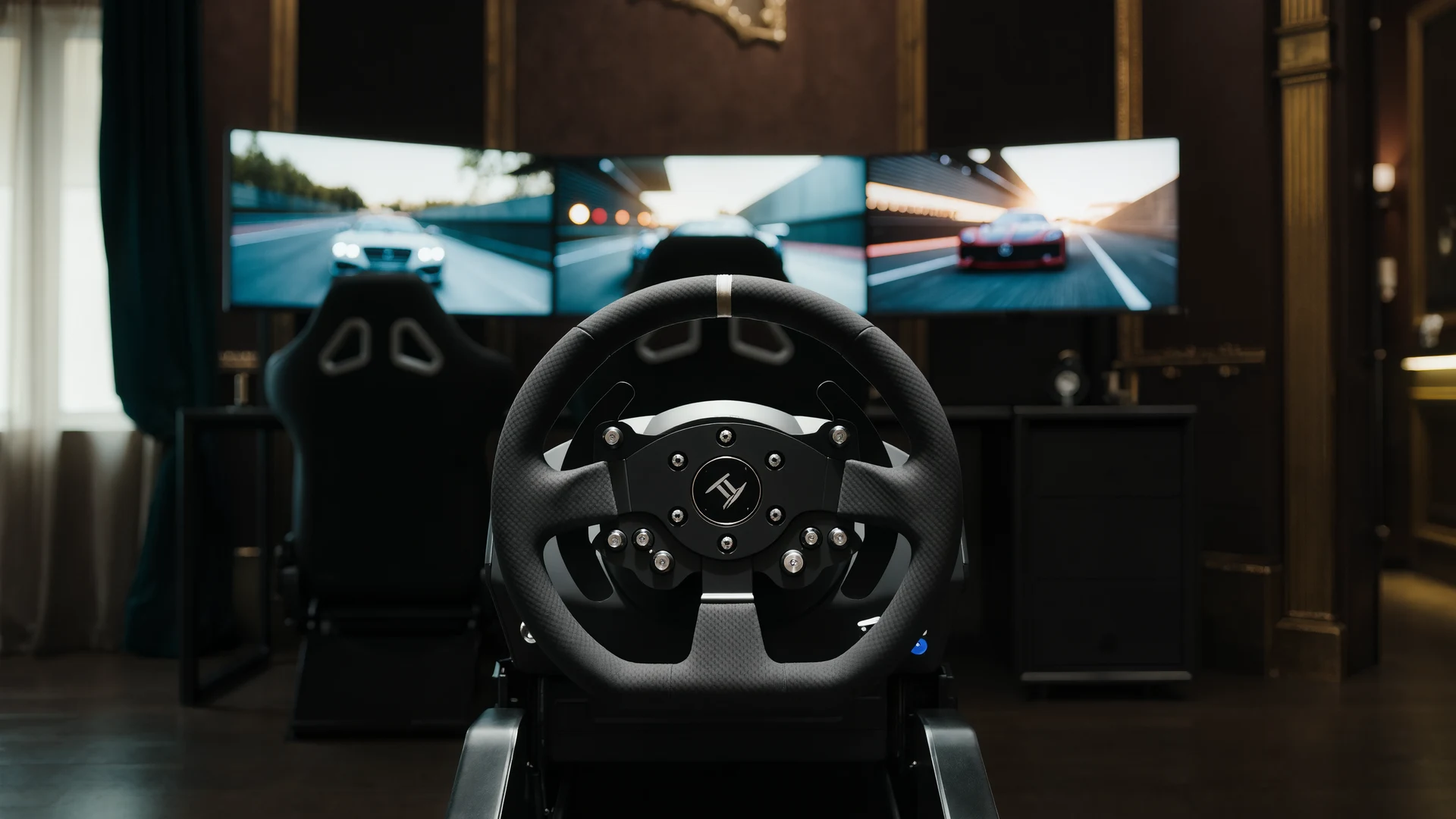
Sim Racing VR vs Triples Guide
VR vs triple monitors for sim racing in 2026: compare Quest 3, Pimax Crystal Light and triple 1440p setups on field of view, depth, comfort, cost and …
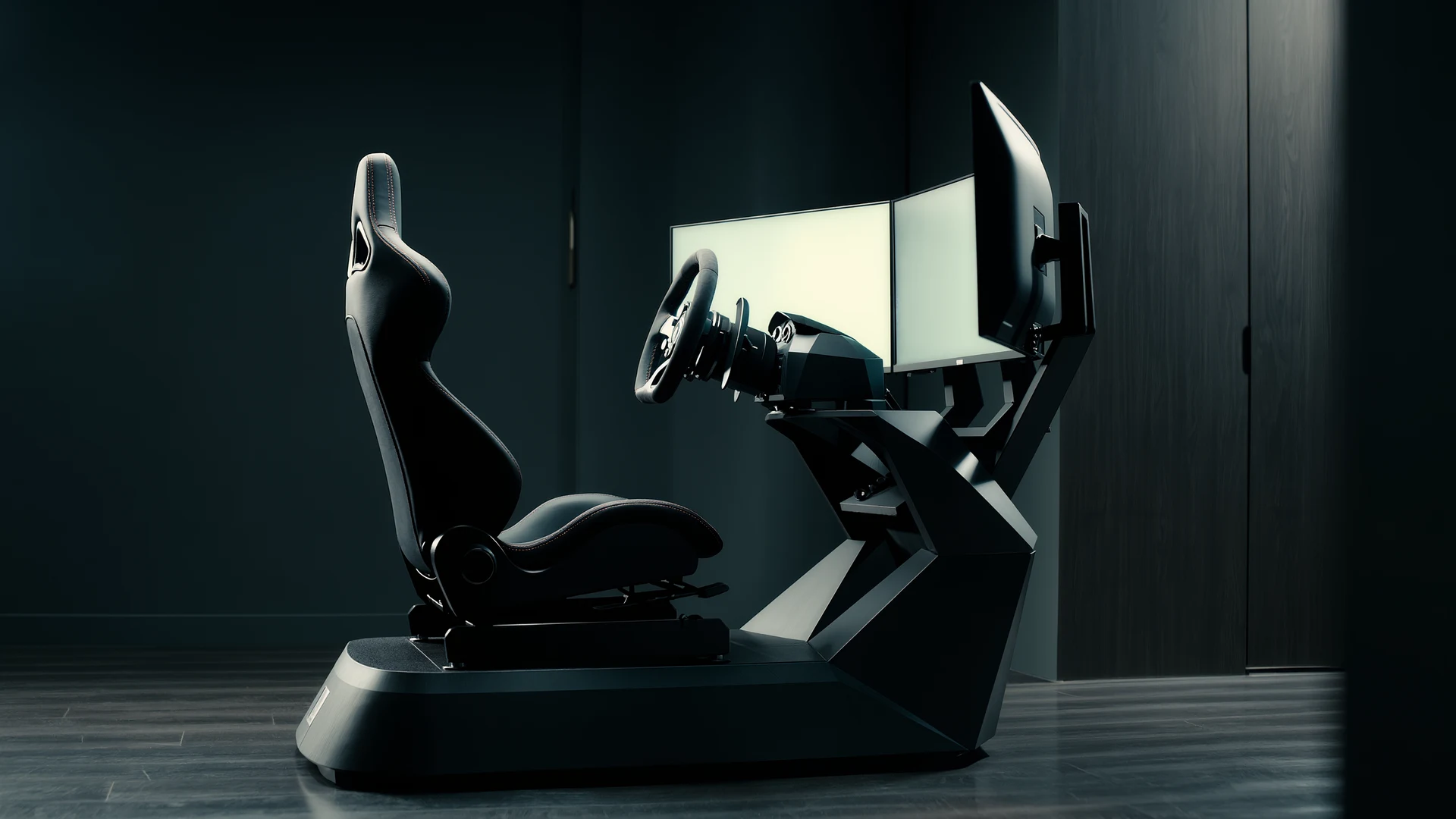
Sim Racing Motion Platforms Guide
Sim racing motion platforms guide: compare seat movers, chassis movers, D-BOX, PT Actuator, and bass shakers, with prices from $150 to $20,000-plus an…