Buying a used rig: what to check before you pay
Buying a used sim rig: the parts that carry value, the damage that is invisible in photographs and the price arithmetic that decides whether it is a bargain.
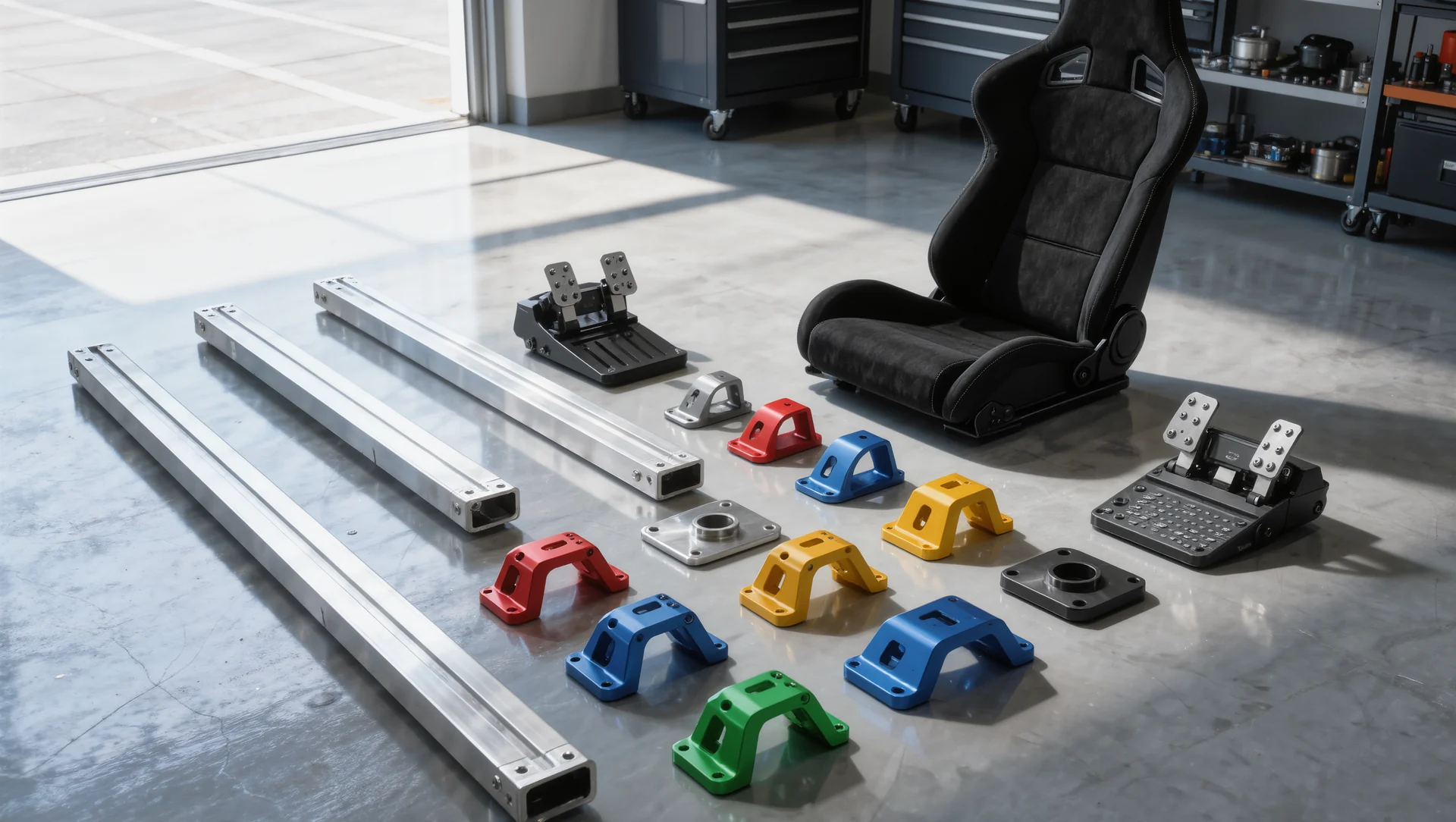
A used aluminium profile rig is one of the safest second hand purchases in the hobby, because the expensive part is a metal beam that does not wear. What does wear are the brackets, the slots and the seat, and those are exactly the parts a photograph never shows.
What holds its value and what does not
Profile beams hold almost all their value. A 160 by 40 mm base beam is the same beam it was on day one unless it has been bent, and a new frame like the Trak Racer TR160 V5 at 730 dollars or the Sim-Lab P1X Pro at 789 sets the ceiling any used price has to sit meaningfully below.
Brackets and fasteners are a different story. A T-slot nut costs 9.3 grammes of steel and very little money, but a slot wall that has been deformed by over tightening is permanent damage to a beam. The published limit is 20 Nm for an M8 nut in an 8 mm groove, and a previous owner who never owned a torque wrench has probably exceeded it more than once.
Seats lose value fastest and matter least, because a used sport seat is cheap to replace and a sim specific bucket in the 500 to 600 euro class is exactly the part a seller will have priced optimistically. Value the rig without the seat and treat the seat as a bonus.
The checks that need you to be there
Run a finger along the inside of every slot on the load bearing beams. Deformation from over tightening feels like a ridge and stops a nut sliding, and the two places it always happens are the wheel mast mounting and the pedal plate. If a nut will not slide past a point, that beam has been abused where it matters most.
Check both diagonals of the base frame with a tape. A difference of more than two millimetres over a metre and a half means the frame was never squared, which is fixable but tells you how the rest was built. Then pull hard on the wheel mast with both hands and watch the base beam rather than the mast: movement at the joint is a bracket problem, movement in the middle of the beam is a bent beam.
Ask what base was on it. A frame that carried a 5 Nm belt driven wheel for two years has seen a fraction of the load of one that carried a 25 Nm direct drive, and the seller who cannot answer that question has probably not owned it long.
The price arithmetic
Start from the new price of the exact frame and subtract for what is missing. A rig without a seat, without brackets and without a monitor stand is not a rig; a monitor stand alone lists at 419 to 599 dollars, seat brackets at 39, and those add up fast enough to erase a bargain.
Then subtract for the parts you will replace anyway. Assume new fasteners, assume the seat is worth nothing, and assume half a day of your time to strip, square and reassemble it. If the number still sits well under new, it is a good buy; if it lands within twenty per cent of new, buy new and get the warranty and the current revision.
| Part | New price |
|---|---|
| Trak Racer TR160 V5 frame | 730 dollars |
| Sim-Lab P1X Pro frame | 789 dollars |
| Large free standing triple monitor stand | 599 dollars |
| Free standing dual monitor stand | 419 dollars |
| Bucket seat bracket set | 39 dollars |
| Sim specific bucket seat | 500 to 600 euro |
What makes a used rig worth more than new
Accessories that are no longer made and configurations that took someone a year to work out. A frame that already carries a shifter mount, a keyboard tray, a monitor stand and a cable loom is worth a premium over bare profile, because each of those is an evening you do not spend. Just make sure the premium is for the accessories and not for the seller's optimism about the frame.
Sources
Frequently asked questions
Is a used profile rig risky?
Less than almost anything else in the hobby. The beams do not wear; check the slots for deformation and the frame for square, and the rest is replaceable.
How do I spot a bent beam?
Sight along it and pull on the mast while watching the middle of the beam. A bend shows as movement away from the joints.
Should I pay extra for accessories?
For monitor stands and mounts, yes, because they list high new. For a seat, no.
What about a used folding cockpit?
Check the tension mechanism and the pivots, because those are the wear parts. A folding rig has moving joints that a profile rig does not.
More in Cockpits & Rigs
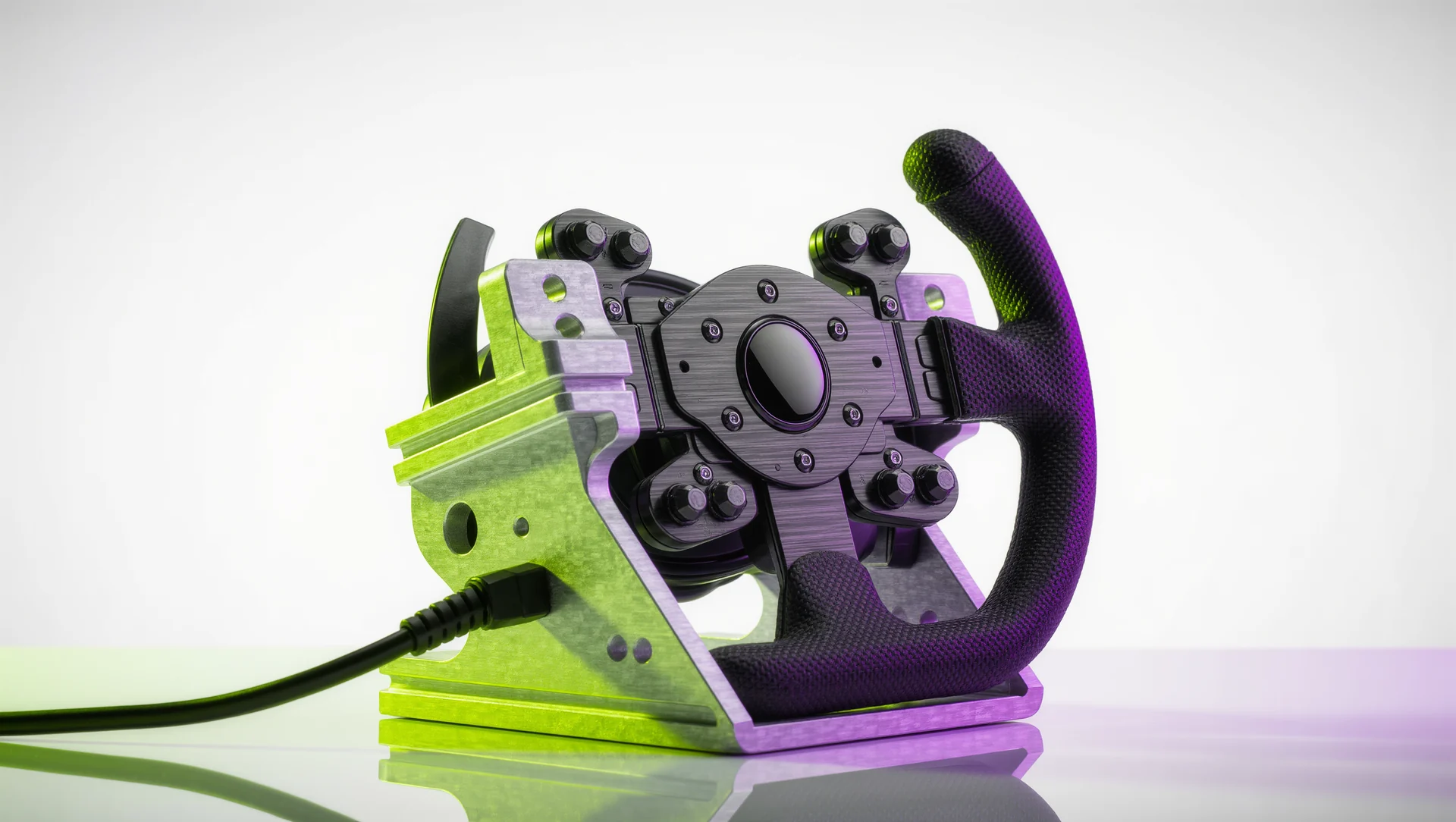
How much direct drive torque you actually need
Direct drive torque compared: 5 Nm to 25 Nm across Fanatec, MOZA, Logitech and Simucube, what each level costs and where more torque stops paying.
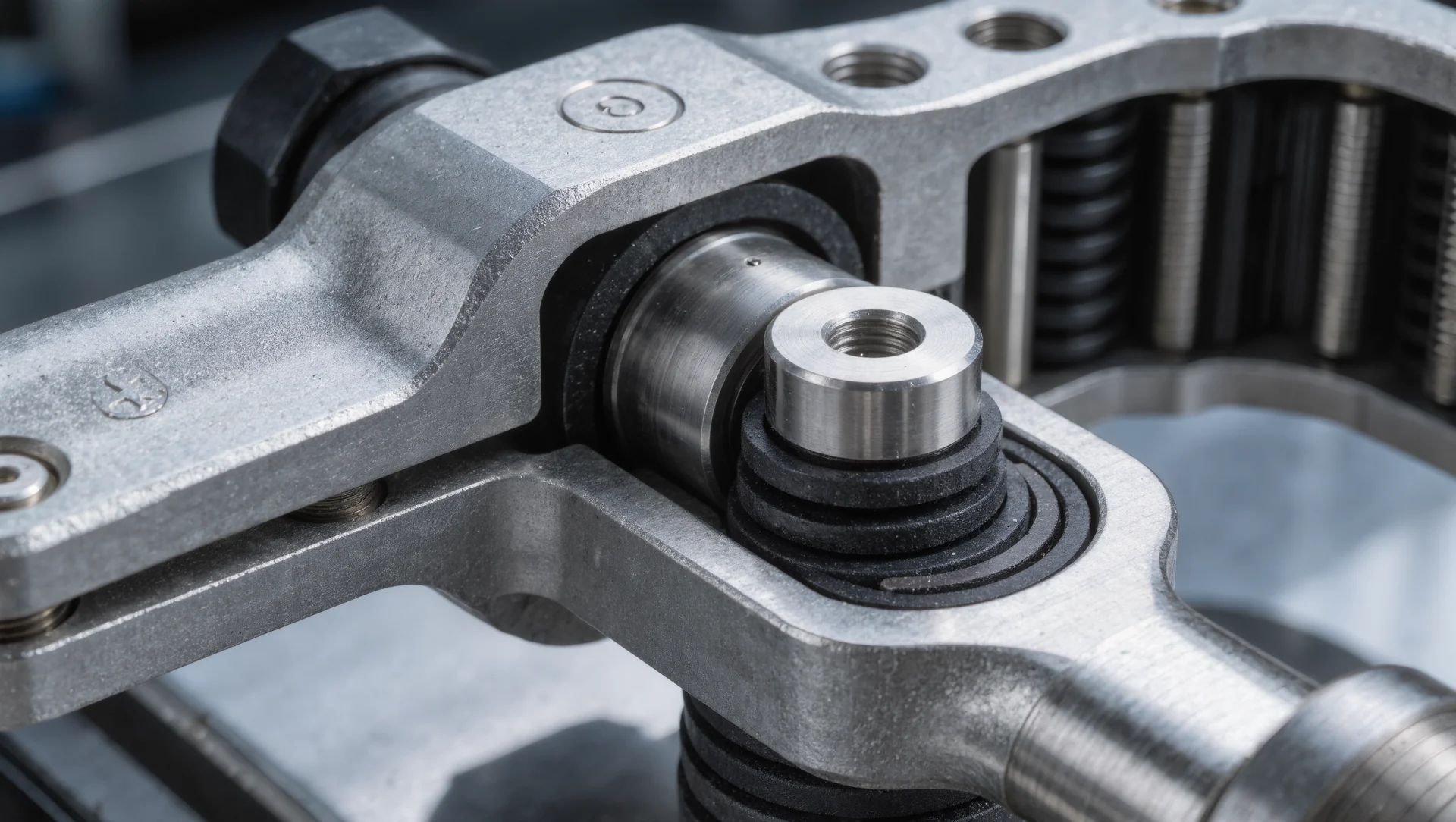
Load cell or potentiometer pedals: the braking difference
Load cell against potentiometer pedals: what changes in the braking, which figures the manufacturers publish and why the upgrade is felt on the second lap.

Calibrating the brake curve to your own leg
Calibrating the brake curve to your own leg: where to set the maximum, why the curve shape matters and how to test it in three laps instead of guessing.