How to measure rig flex instead of guessing it
Rig flex is measurable with a ruler and a phone. The method, the numbers that separate a stiff frame from a soft one, and what to tighten first.
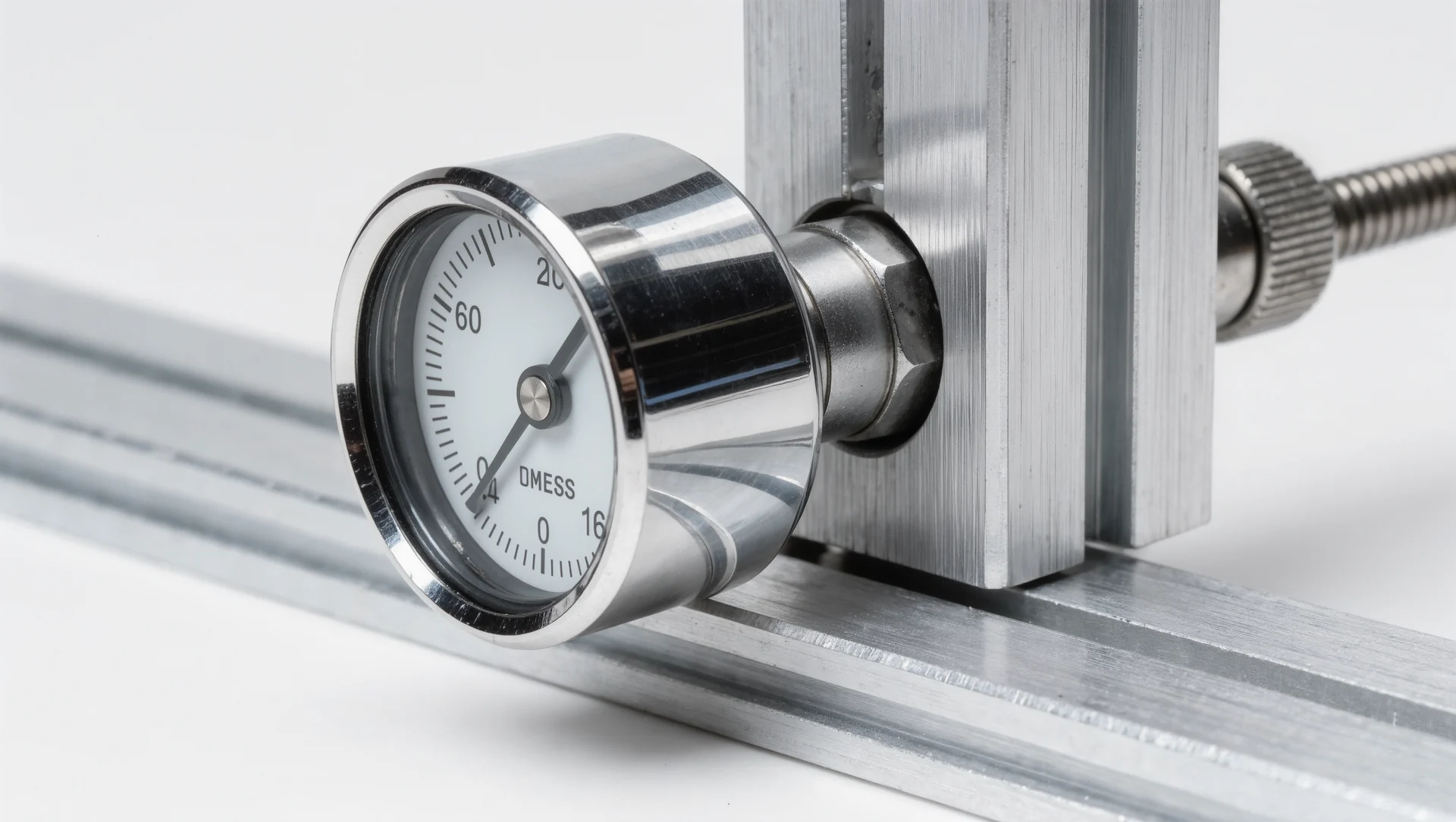
Everybody describes rig flex in adjectives, and adjectives cannot be compared between two Saturdays. The measurement takes ten minutes, needs a ruler, a marker and a phone, and turns the whole discussion into a number in millimetres that you can chase down to zero.
Why the frame moves at all
A direct drive base does not push the wheel, it twists the mast it is bolted to. The force at the rim follows from the torque and the radius: 17 Nm on a 300 mm wheel means a radius of 0.15 m and therefore about 113 newtons at the rim, roughly 11.5 kilogrammes of pull. That load arrives at the top of a mast that is often 400 mm tall, so the frame sees a bending moment of some 45 newton metres at the point where the mast meets the base beam.
Pedals are worse. A load cell calibrated to 60 kg of leg force puts 588 newtons into the pedal plate on every corner, which is five times the peak load the wheel produces. That is why a frame that feels rigid at the wheel can still move under braking, and why the measurement has to be taken twice, once for each end of the rig.
The measurement, step by step
Tape a ruler to the floor or to a stable object beside the wheel, not to the rig itself. Put a marker on the wheel rim at the three o clock position. With the base powered down, pull the rim with both hands as hard as you can hold for two seconds and read the marker against the ruler. Repeat in the other direction. The difference between the two readings is the total flex at the rim.
For pedals, tape the ruler beside the pedal plate and film the plate at 240 frames per second while you brake at your normal maximum. Slow motion shows the plate moving before the load cell ever reports full pressure, and the distance it travels is the number you want. Anything the frame absorbs never reaches the sensor.
Interpret the results without drama. Under 1 mm at the rim is a stiff rig and nothing further is needed. Between 2 and 3 mm is measurable and audible but not the limit of your lap time. Above 5 mm the rig is filtering the force feedback, and no setting in the software will bring back the detail the frame is eating.
| Flex at the rim | What it means | Action |
|---|---|---|
| under 1 mm | Stiff frame | nothing |
| 2 to 3 mm | Noticeable, not limiting | retighten, check the mast |
| 3 to 5 mm | Force feedback is being filtered | add a diagonal brace |
| over 5 mm | Frame is the limit | rebuild the mast mounting |
What to fix, in order
Start with the bolts you already have. On a profile rig the corner brackets carry the twist, and a bracket at 32 grammes tightened by hand is not the same as one torqued down properly; going around the whole frame with a hex key usually removes the first millimetre for free. Check the wheel mast bolts first, then the pedal plate, then the seat rails.
The second fix is geometry. A mast bolted to a single 120 by 40 mm upright twists more than the same mast tied into the 160 by 40 mm base beam with a diagonal. One diagonal brace from the top of the mast to the base beam costs one profile length and two brackets and typically halves the reading.
The third fix is the floor. A frame on carpet over floorboards moves as a unit even when every bolt is tight, and the reading at the rim will not go under 3 mm no matter what you do. Feet with a larger footprint, or a sheet of plywood under the whole rig, address a problem that no amount of bracing inside the frame can reach.
Repeat the measurement, not the feeling
Write the two numbers down with the date. Rig flex changes as bolts settle, as accessories are added and as the base gets stronger, and the only way to know whether last month's brace helped is to have last month's number. Ten minutes, twice a year, and the question stops being a matter of opinion.
Sources
Frequently asked questions
Do I need a dial gauge?
No. A ruler resolves half a millimetre, and the differences that matter are whole millimetres. A dial gauge is nicer, not necessary.
Should I measure with the base powered on?
No. Power it down and pull by hand, so the load is yours and repeatable. A running base produces a different force every time.
Does flex actually cost lap time?
Indirectly. It delays and smooths the force feedback, so the moment the front tyres let go arrives late and rounded, and you correct late.
My rig only moves under braking. Is that normal?
Yes, and it is the most common case. Braking load is several times the wheel load, so the pedal plate mounting is usually the weakest point.
More in Cockpits & Rigs
GT or formula seating: what the angle changes
GT and formula seating are two different jobs for the same body. The published angles, what each position gives you and what it costs over a two hour stint.
Pedal plate angle: the setting most rigs get wrong
Pedal plate angle decides how much of your leg strength reaches the load cell. The geometry, the published adjustment ranges and how to set it in one session.
The used car seat that beats a branded bucket
A used road car sport seat against a branded sim bucket: the published weights, prices and homologation rules, and where the cheap option genuinely wins.