The used car seat that beats a branded bucket
A used road car sport seat against a branded sim bucket: the published weights, prices and homologation rules, and where the cheap option genuinely wins.
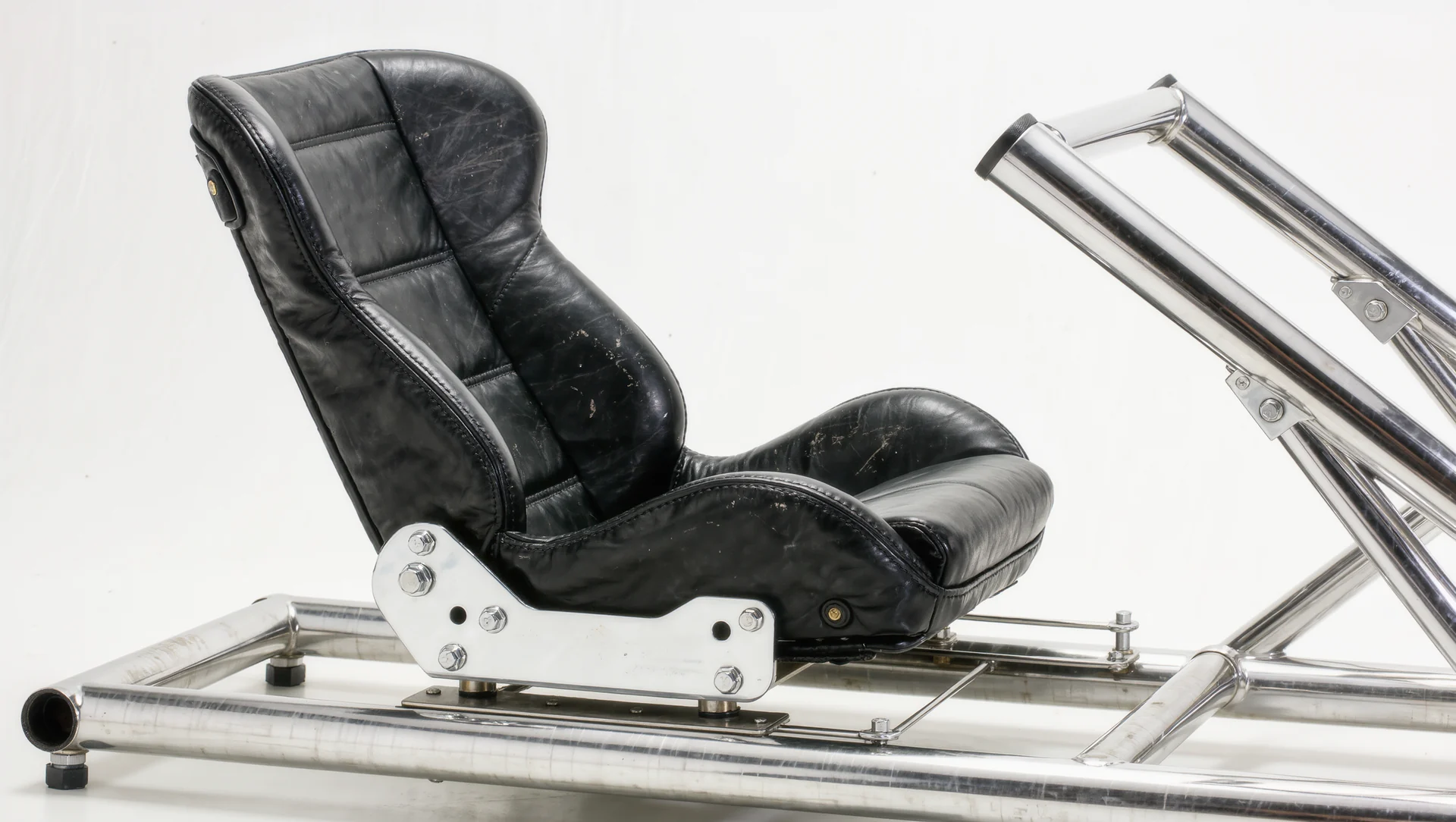
A branded sim racing bucket costs between 500 and 600 euro, a homologated race seat starts around 1,295 dollars, and a used sport seat out of a road car often changes hands for under 200. For a rig that never sees a crash test, the difference buys a very good set of pedals.
What you are actually paying for
A homologated race seat is certified for a crash, and the certificate is the product. Recaro publishes the Pole Position N.G. as a competition seat to FIA 8855-1999 with an FIA approval valid for five years, a glass fibre reinforced polymer shell weighing about 7.7 kg or 17.0 lb without mounted parts, a width of 19.6 inches and an installation dimension of 15.9 inches. Prices start around 1,295 dollars.
None of that certificate does anything in a simulator. There is no crash, no six point harness pulling against the shell and no scrutineer checking the date. What remains useful from the specification is the geometry: a narrow, deep shell that holds the shoulders and stops the body sliding under braking.
The sim specific seats sit between the two worlds. The Sparco Grid Q is sold at 499.90 euro with FIA 8855-1999 homologation and a fibreglass shell, while the Sparco Circuit II at 599.90 euro is stated explicitly as not homologated and intended exclusively for sim racing. That price difference in the wrong direction is the clearest sign that you are buying shape and finish, not safety.
| Seat | Homologation | Weight | Price |
|---|---|---|---|
| Recaro Pole Position N.G. | FIA 8855-1999, 5 years | about 7.7 kg | from 1,295 dollars |
| Sparco Grid Q | FIA 8855-1999 | not published | 499.90 euro |
| Sparco Circuit II | not homologated, sim only | not published | 599.90 euro |
| Used road sport seat | none needed | 20 to 25 kg with rails | usually under 200 euro |
Where the used road seat wins
Comfort over long stints is the first win, and it is not close. A road sport seat has real padding, an adjustable backrest and often lumbar support, all of which a race shell deliberately does without because a driver in a race suit with a harness does not need them. A three hour endurance stint in a hard shell is an endurance event of its own.
The second win is adjustability. Race shells are fixed, so the backrest angle comes from the mounting brackets, and changing between a GT and a formula position means unbolting the seat. A road seat brings its own recliner, which is the single most useful adjustment in a rig shared by two drivers.
The third win is money in the right place. At 39 dollars for a bracket set of 4 mm aluminium plate with four M8 bolts for 40 mm, 45 mm or 1.5 inch profile, mounting a used seat is a small part of the budget. The 400 euro saved against a branded bucket is roughly the price of a load cell pedal set, and the pedals change lap times while the seat does not.
What to check on a used seat
Weigh it before you buy it if you can. A race shell is around 7.7 kg, a road sport seat with rails and motors can be 20 to 25 kg, and that mass sits on the same brackets and the same profile. A heavy seat on a light frame will find the weak point of the frame within a week.
Check the mounting pattern next. Side mounting through the shell is what almost every rig expects; a seat designed to bolt to a floor pan with four studs needs an adapter plate you may have to make. Then check the width against your rig: an installation dimension near 40 cm is normal for a race shell, and a road seat is often wider than the space between two profile beams.
Finally check the electrics you do not need. Motors, heating and airbag modules add weight and a wiring loom that will never be connected, and removing them safely takes an afternoon. Buy the manual version of the same seat if there is one.
When to buy the bucket after all
Two cases justify the branded seat. The first is a formula position, where a deep shell with high sides is the geometry and a road seat simply cannot recline that far. The second is a rig that gets photographed, rented or shown at events, where finish is part of the product. For everybody else the used seat is not a compromise, it is the better seat with worse marketing.
Sources
Frequently asked questions
Does homologation matter in a simulator?
No. It certifies behaviour in a crash, and there is no crash. What matters is the shape of the shell and how well it holds you under braking.
Is a heavy seat a problem?
On a light frame, yes. A road seat with rails can be three times the mass of a race shell, and that load goes through the same brackets.
Which used seat should I look for?
A manual sport seat from a hot hatch or a coupe, without electric motors, heating or an airbag module. Narrow, deep, and with its own recliner.
Can I use a standard office chair to start?
For a wheel stand, yes, briefly. It rolls and it swivels, so braking pushes you away from the pedals, which is the opposite of what a seat should do.
More in Cockpits & Rigs
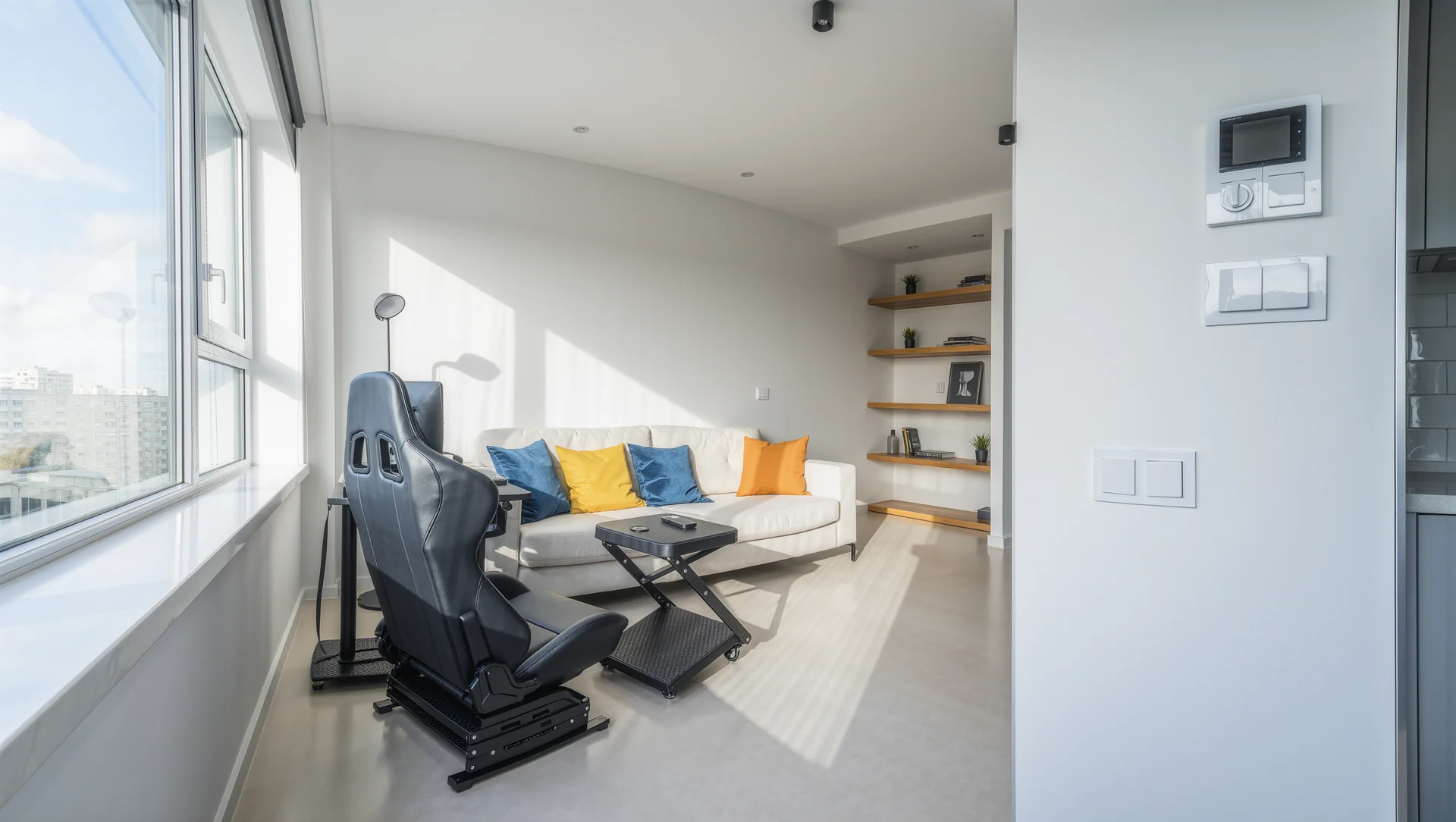
A rig that fits a flat: folding, wheel stand or profile
Folding cockpit, wheel stand or a full profile rig in a small flat: the published dimensions, the storage figures and what each option really costs in floor space.
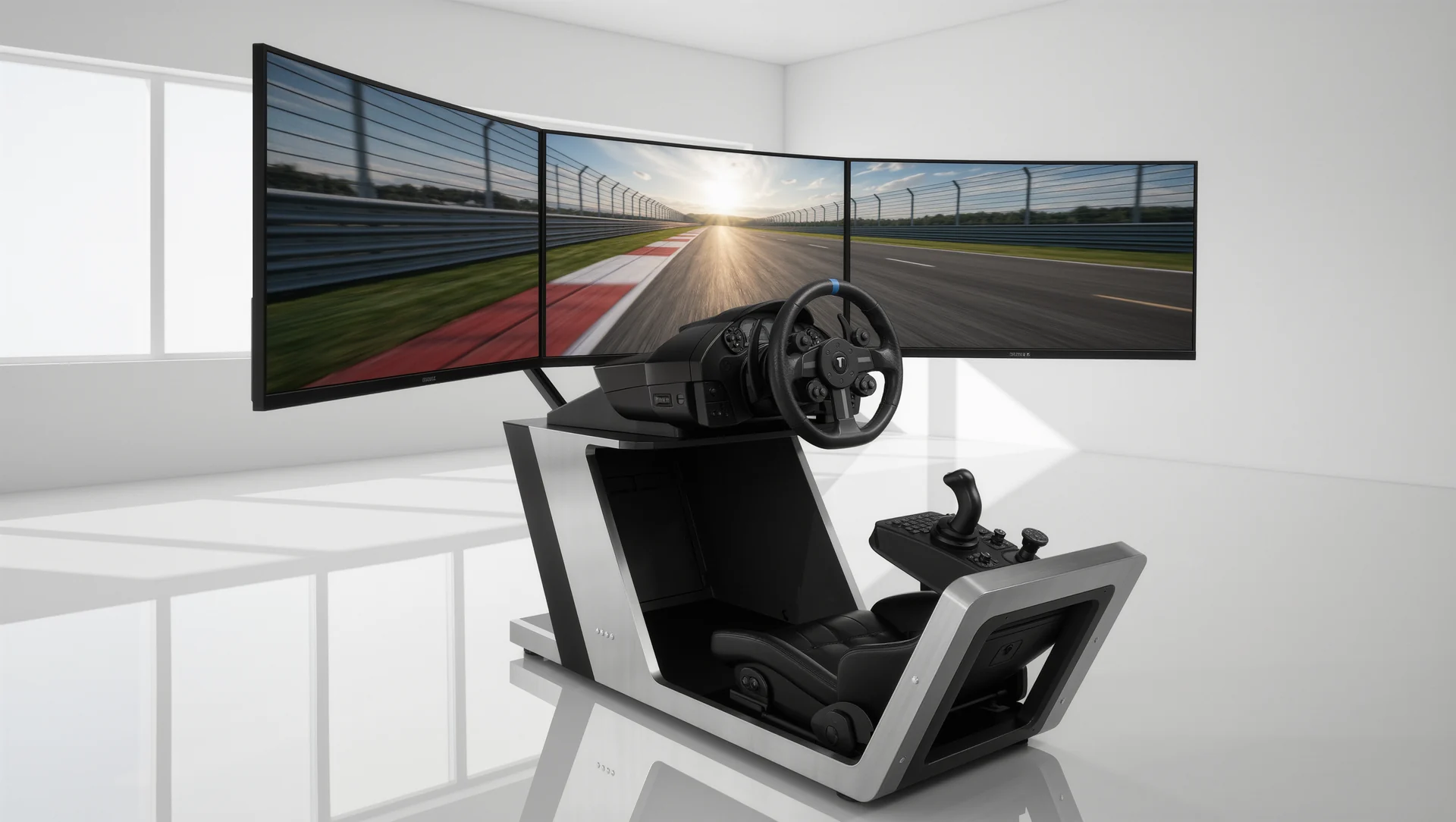
Freestanding monitor stands and why motion needs them
Free standing monitor stands against rig mounted arms: the published load ratings, VESA ranges and the reason motion platforms leave no choice.
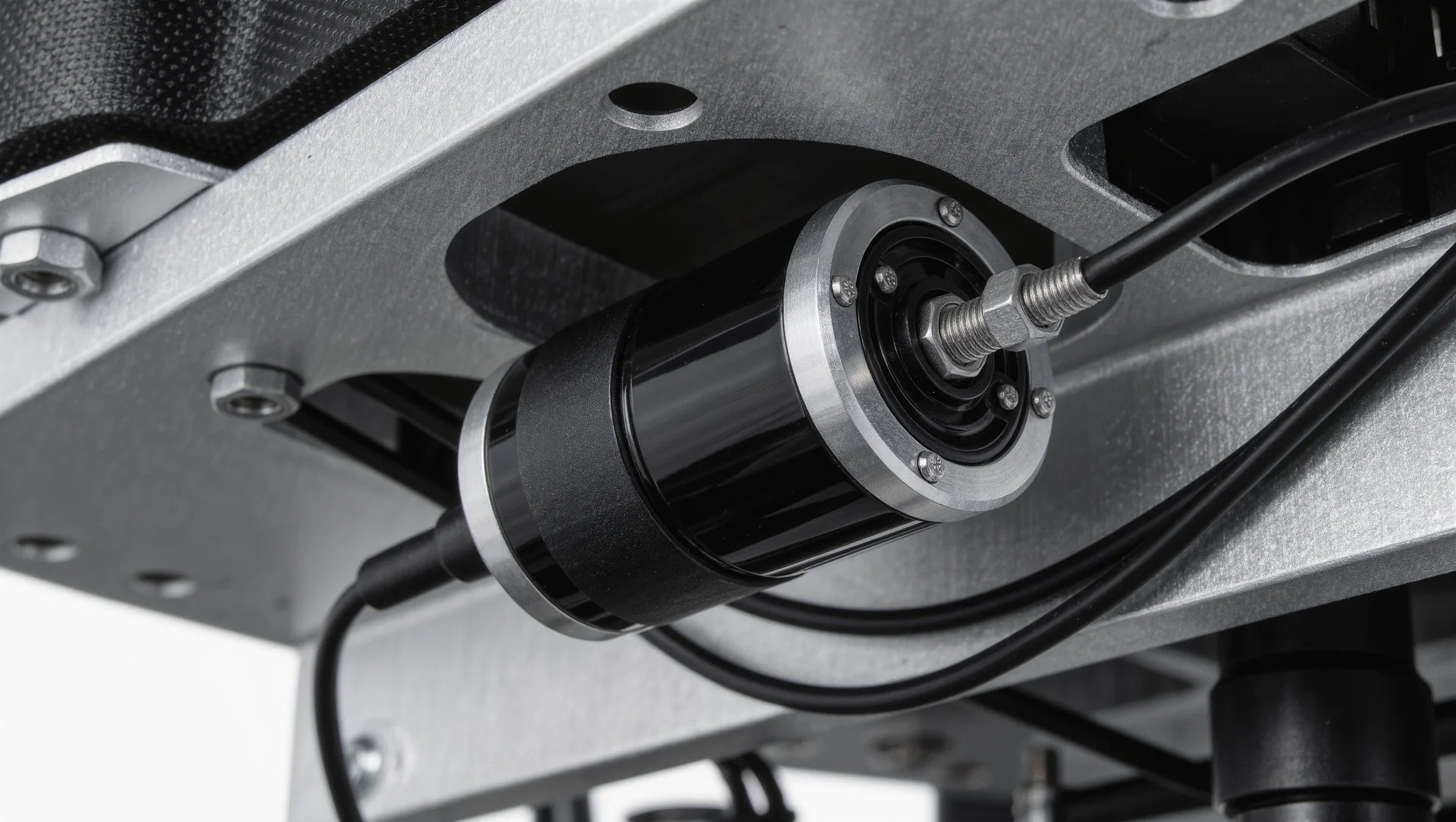
Bass shakers on a rig: placement, power, limits
Bass shakers on a sim rig: the published power and frequency figures, where to mount them, how many you need and where the limits genuinely are.