Dirt Rally 2.0 Tips: Pace Notes, Surfaces and Setup
Dirt Rally 2.0 rewards drivers who listen to the co-driver and adapt to the surface. These tips cover pace notes, technique on each surface, setup basics and the game modes.
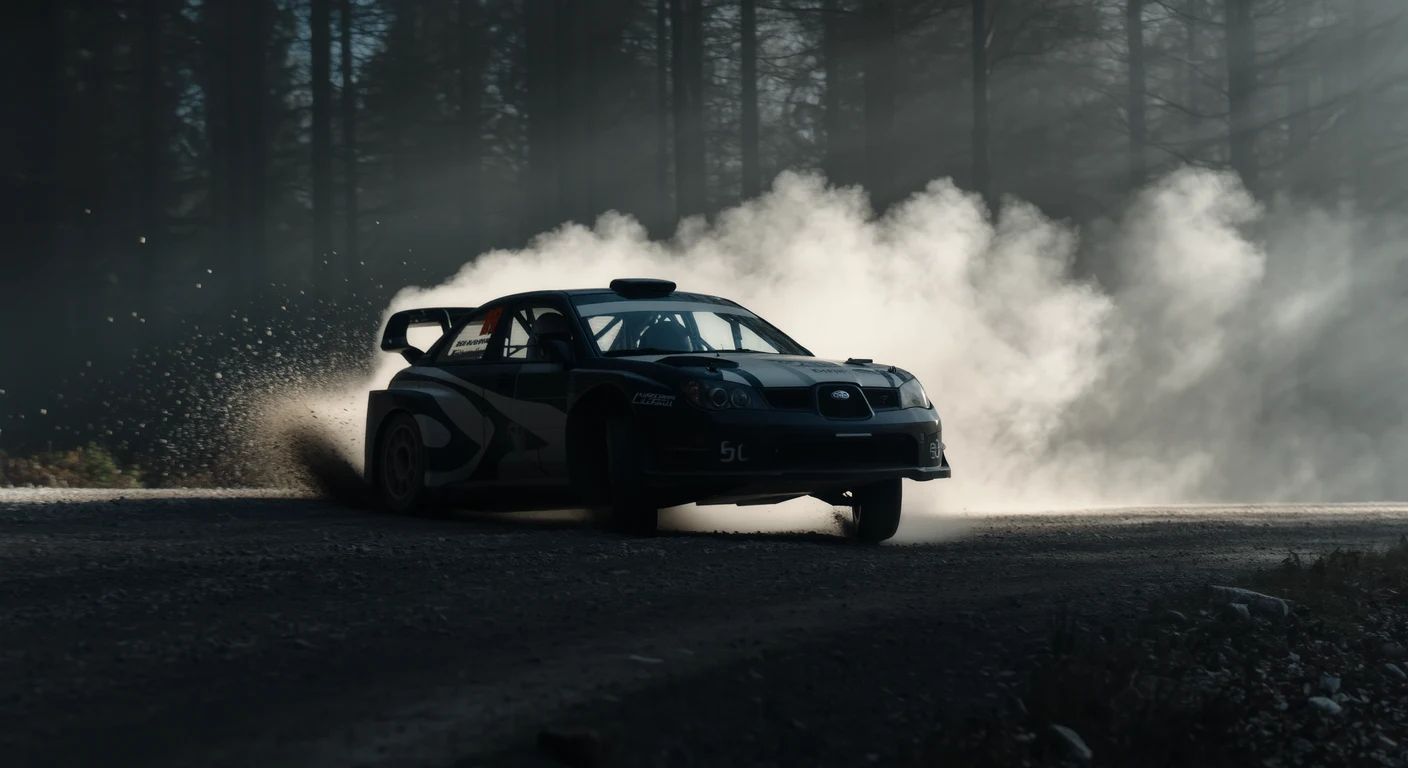
Dirt Rally 2.0 is demanding, and stringing together a clean stage takes practice. Speed comes from understanding how the game behaves and adjusting your approach to it, not from a single trick. The tips below cover the car, the pace notes, the surfaces, setup and the mental side. If you are new to loose surfaces in general, why gravel rewrites everything you learned is a good companion.
Before you even think about taking on Monte Carlo backwards, you need to get a handle on your car. They aren’t just reskins; each one has its own personality, and learning it is crucial.
Weight and Grip: It’s Not Just About Horsepower
Dirt Rally 2.0’s physics are surprisingly nuanced. A heavier car will have more momentum, which can be your friend on fast straights but a nightmare around tight corners. Lighter cars tend to be more nimble but can feel skittish on rougher surfaces.
- Momentum: Learn to use your car’s weight to your advantage. Instead of fighting it, try to guide it. Braking early enough to let the car settle, then accelerating smoothly, will use that momentum to carry you through corners. Slamming on the brakes or gas can easily upset the balance.
- Tire Selection Matters: Different tire compounds offer different levels of grip on various surfaces. Soft compounds are great for loose gravel or mud but will wear out quickly. Hard compounds last longer but offer less grip. Experiment to find the sweet spot for each stage and your driving style. You’ll often find yourself choosing a medium compound if you want a balance between wear and grip for longer stages.
Suspension and Chassis Flex: It’s More Than You Think
The way your car’s suspension moves and flexes has a huge impact on how it handles bumps, ruts, and off-camber turns.
- Feeling the Bump: Pay attention to how your car reacts to different surfaces. Too stiff, and you’ll get bounced around like a pinball. Too soft, and you’ll bottom out and lose control. Listen to the sounds your car makes, it’s trying to tell you something.
- Chassis Flex: This is a bit more advanced, but understanding how the chassis flexes when you’re hitting bumps or going through dips can help you anticipate how the car will react. Think of it as the car “breathing”, if you fight that movement, you’ll struggle.
Cornering
Corners are where games are won and lost in Dirt Rally 2.0. There’s a fine line between a controlled slide and a disastrous spin.
The Pace Notes: Your Lifeline
The co-driver calls are the most reliable information you have. Learning to interpret and react to pace notes is fundamental.
- Listen Critically: Don’t just hear the notes; understand them. A “5 left” is very different from a “3 left.” The number dictates the severity of the corner.
- What the Co-driver Doesn’t Say: Sometimes, what isn’t said is just as important. If there’s no mention of a crest or a jump, you can usually assume it’s relatively flat. If caution is advised, believe it.
- Note Dropping: If you’re consistently missing a particular corner, try to remember what about it trips you up and see if you can anticipate it better next time.
Trail Braking: The Subtle Art of Steering with Your Brakes
This is one of the most impactful techniques for improving cornering speed, and it’s surprisingly simple to grasp conceptually, even if it takes practice to execute.
- What It Is: Instead of just braking, then turning, you maintain a light pressure on the brakes as you turn. This transfers weight to the front tires, giving you more grip and a sharper turn-in.
- How to Practice: Start small. In a safe, open area, try braking just slightly as you begin to turn. Gradually increase the brake pressure as you get more comfortable. You’re not trying to brake hard while turning; it’s about using the brake pedal to influence the car’s balance.
- The Goal: The goal is to be off the brakes before you reach the apex of the corner, allowing you to accelerate smoothly out.
Apex Hunting: Finding the Fastest Line
Every corner has an ideal line, and it’s not always the shortest path.
- Inside, Middle, Outside: The classic racing line. You want to aim for the inside of the corner to “clip” the apex, then open up your steering to take the widest possible exit. This maximizes your speed through the corner.
- Braking Points: You’ll need to learn the optimal braking points for each corner. These will vary depending on the car, the surface, and your speed. Look for landmarks on the stage, a specific tree, a rock, a change in the road’s texture.
- Don’t Be Afraid to Cut Early: On some corners, especially hairpins, it might be faster to brake earlier and turn in sooner, hugging the inside more aggressively. This sacrifice a little bit of entry speed for a much better exit.
The Surface Matters: Adapting to the Terrain
Gravel, mud, tarmac: they all demand a different approach. Ignoring this will lead to frustration and spectacular crashes.
Gravel: The Loose and Lumpy Challenge
Gravel stages are the bread and butter of most rally games, and Dirt Rally 2.0 makes them feel incredibly authentic.
- Understanding the “Grip Window”: Gravel is inherently slippery. You’re constantly looking for the “grippiest” part of the surface. This often means avoiding the very worst ruts and the loose stuff on the edges.
- Steering Input: Be smooth. Abrupt steering inputs will overwhelm the limited grip of the tires and send you sideways. Think of it as guiding the car, not forcing it.
- Throttle Control: Gentle on the throttle! Too much power, especially when the wheels are turned, will break traction. Learn to feather the accelerator to maintain momentum without losing control.
- The “Brake and Turn” vs. “Turn and Brace”: On loose surfaces, a common technique is to brake in a straight line before the corner, then turn, and apply a little throttle to help the rear end slide around the corner in a controlled manner. This is the opposite of trail braking on tarmac.
Tarmac: Precision and Smoothness
Tarmac stages in Dirt Rally 2.0 can be deceptively fast and unforgiving.
- High Grip, High Speed: You can carry far more speed on tarmac. This means mistakes are punished more severely.
- Precision is Key: Every input counts. Oversteering will lead to snap oversteers, and understeering will mean you miss your apex.
- Trail Braking is Your Friend: As discussed earlier, trail braking is absolutely essential for maximizing cornering speed on tarmac.
- Tire Wear: Tarmac can chew up softer tires very quickly. You’ll often opt for harder compounds to last the stage.
Wet and soft stages
Rain-soaked gravel and soft, muddy sections are among the hardest conditions in the game.
- Extreme Lack of Grip: Expect very little traction. Acceleration will be slow, and braking distances will be huge.
- Momentum is Everything: You need to carry as much momentum as possible between sections. Trying to accelerate hard in the mud usually just results in wheelspin.
- Minimal Steering: Go easy on the steering wheel. Even small inputs can send you into a slide.
- Look for Grip Lines: Even in mud, sometimes there are slightly firmer patches. Try to find them.
- Cars Respond Differently: Some cars are surprisingly capable in the mud, while others are a nightmare. Knowing your car’s strengths and weaknesses here is vital.
Fine-Tuning Your Setup: The Garage is Your Friend
Don’t underestimate the power of a good car setup. While the default settings are often decent, a few tweaks can make a world of difference.
Suspension Settings: The Core of Control
Getting your suspension right is probably the most important aspect of tuning.
- Ride Height: Lowering the car generally improves handling on smooth surfaces like tarmac by lowering the center of gravity. However, on rougher surfaces, a higher ride height can help prevent bottoming out and getting stuck.
- Spring Stiffness: Stiffer springs make the car more responsive but can lead to a harsher ride and less grip on uneven surfaces. Softer springs offer more compliance but can make the car feel “floaty” and less precise. Finding the balance is crucial.
- Dampers (Rebound and Bump): Bump damping slows the compression of the suspension, rebound damping slows its extension. Too much bump makes the car skip over rough ground; too much rebound stops the wheel dropping back into dips and ruts, while too little lets the car bounce after a crest. On rough gravel, softer settings usually keep the tyres in contact better. Springs and dampers explained goes into detail.
Differential Settings: The Power Distribution Puzzle
The differential controls how power is distributed between the wheels.
- Lock Percentage: A higher lock percentage means the wheels will spin at more similar speeds, which can improve traction on slippery surfaces by preventing one wheel from spinning freely while the other is stationary. However, too much lock can make the car difficult to turn.
- Preload: This setting influences how quickly the differential locks. Higher preload means it locks sooner.
Gear Ratios: Optimized for Speed and Acceleration
Gear ratios determine how quickly your car accelerates and its top speed.
- Short vs. Long Gears: Shorter gears provide quicker acceleration but a lower top speed. Longer gears offer higher top speeds but slower acceleration. You’ll want to adjust these based on the nature of the stages. For technical, twisty stages, you might want shorter gears for better acceleration out of corners. For faster stages, longer gears can be beneficial.
Mental Game: Staying Focused and Learning from Mistakes
Even with perfect technique, your mental state in a rally game can make or break a run.
Consistency Over Speed (Initially): Build the Habit
It’s tempting to push for the absolute fastest lap every single time. But in rally, consistency is more important.
- Clean Runs First: Focus on completing stages without crashing. Once you can do that reliably, then you start shaving off seconds.
- Learn the Stages: Each stage has its own character. The more you drive them, the better you’ll understand the braking points, apexes, and tricky sections.
- Don’t Get Discouraged: You will spin out. You will hit walls. It’s part of the learning process. The key is to take what you learned from that mistake and apply it to the next attempt.
Managing frustration
Dirt Rally 2.0 is designed to be challenging. Getting angry won’t help; it’ll just make you drive worse.
- Take Breaks: If you’re getting frustrated, step away from the game for a bit. Come back with a fresh mind.
- Analyze Your Mistakes: Instead of just hitting restart, try to figure out why you crashed. Was it a braking mistake? A turn-in too late? Understanding the cause is the first step to fixing it.
- Watch Replays: Sometimes, watching your own driving from a different perspective can reveal habits you weren’t aware of.
When everything comes together
The aim is a run in which the car, the road and the notes fit together without conscious effort. That comes from the fundamentals, from knowing your car and from staying calm under pressure, and it only arrives through practice. When Dirt Rally 2.0 feels comfortable, EA Sports WRC is the next step for the official championship and newer cars, and handbrake and sequential shifter covers the hardware that helps.
FAQs
What is Dirt Rally 2.0?
Dirt Rally 2.0 is a rally game developed by Codemasters and released on Steam on 25 February 2019. Its rally locations include New Zealand, Argentina, Spain, Poland, Australia and the USA, with further locations sold as downloadable content.What platforms is Dirt Rally 2.0 available on?
Dirt Rally 2.0 is available on Microsoft Windows, PlayStation 4, and Xbox One. It is also compatible with virtual reality headsets on the PC version.What types of racing are featured in Dirt Rally 2.0?
Dirt Rally 2.0 features rallycross and traditional rally events. Players can compete in various locations around the world, each with its own unique challenges and terrain.Can players customize their vehicles in Dirt Rally 2.0?
Players adjust the setup of each car, such as suspension, brakes, differential and gearing, to suit their driving style and the stage. Beyond the setup, the career lets you build a team: you hire staff, expand your garage of cars and upgrade parts to cope with wear and tear.Are there multiplayer options in Dirt Rally 2.0?
Multiplayer in Dirt Rally 2.0 is online. Codemasters lists Time Trial, My Team career and Quick Play multiplayer as playable, while the Clubs mode closed on 8 July 2026 together with its website.Sources
More from Games & Platforms
F1 Sim Racing Guide: Games, Hardware and Technique in 2026
How to sim race Formula 1 cars: F1 25 and its 2026 Season Pack, iRacing, Assetto Corsa and AMS2, formula rims, load-cell brakes, technique and…
Assetto Corsa in 2026: Essential Mods, CSP and Online Racing
Assetto Corsa in 2026: Content Manager, Custom Shaders Patch, Pure, free cars and tracks, online racing services, performance settings and AC or ACC.
iRacing Complete Guide: Pricing, Ratings and the Rookie Path
iRacing complete guide: how the online racing service works, membership prices, iRating and Safety Rating, the Rookie path, and whether iRacing is…