Pit strategy: undercut, overcut and the safety car
Pit strategy: undercut, overcut and the safety car, with the arithmetic that decides each one and the published rules that limit your options.
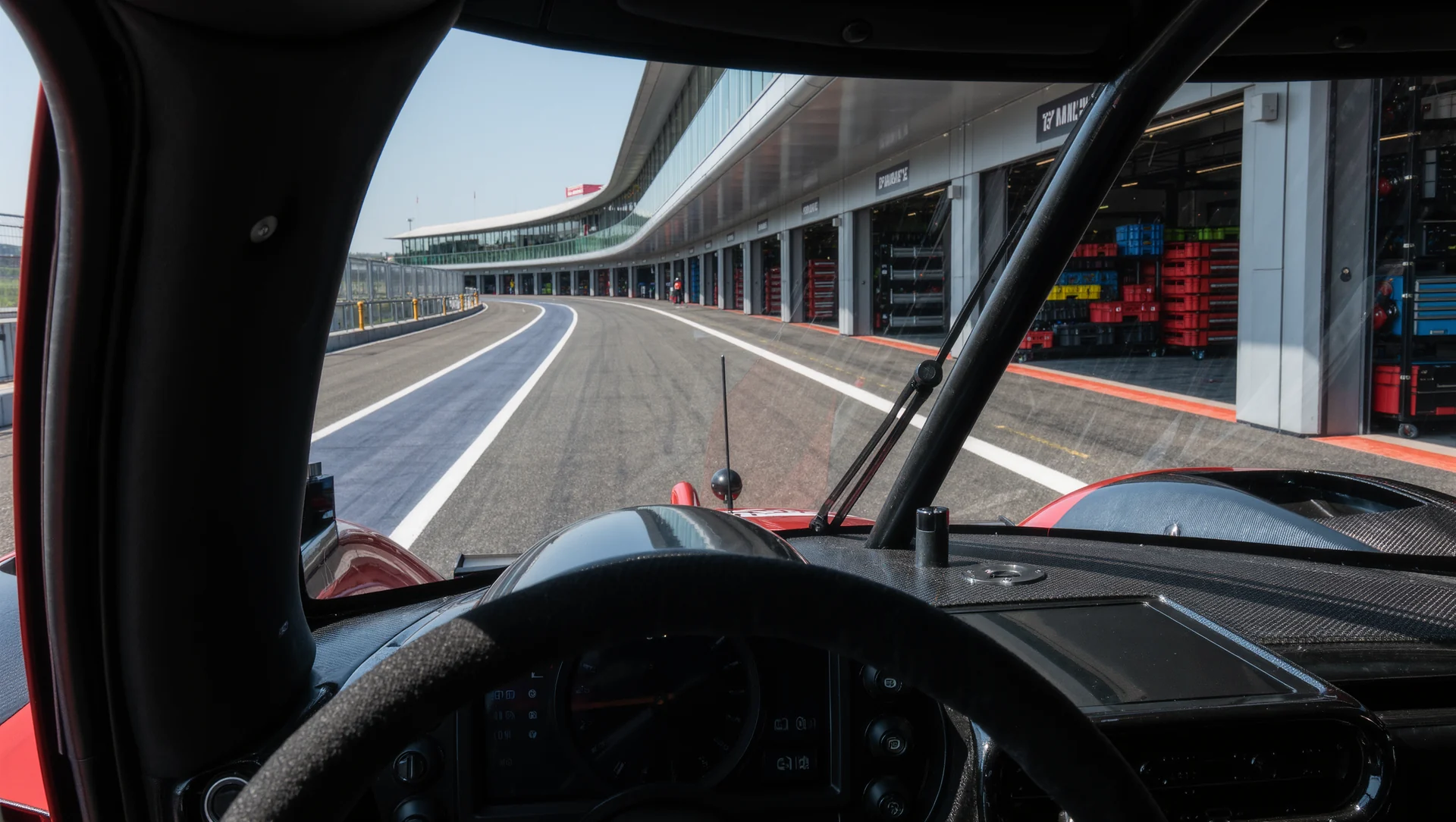
Every pit strategy is one subtraction: the time the stop costs against the time the fresh tyres or the clear air give back. Do it before the race and you have a plan; do it during and you have a guess.
The three numbers you need before the start
The pit loss is the first. That is the pit lane time plus the stationary time, typically 25 to 35 seconds in total depending on the circuit and the service, and it is measurable in one practice session by comparing a lap with a stop against a lap without.
The tyre delta is the second: how much faster a fresh set is than a set with 20 laps on it. On most GT cars that is 0.5 to 1.5 seconds per lap in the first 3 laps, falling towards 0.2 after 10. Multiply the average across the remaining laps and compare it with the pit loss.
The fuel window is the third. Tank capacity divided by consumption per lap gives the maximum stint, and a 40 lap race with a 25 lap window forces 1 stop while a 30 lap window makes it optional. Those 3 numbers settle 90 per cent of strategy questions before the lights go out.
| Figure | Typical value | How to get it |
|---|---|---|
| Pit loss | 25 to 35 seconds | one lap with a stop against one without |
| Tyre delta, first 3 laps | 0.5 to 1.5 seconds per lap | a back to back run |
| Tyre delta after 10 laps | towards 0.2 seconds per lap | |
| Fuel window | tank divided by consumption per lap | 5 laps at race pace |
| Pit lane closed | 2 laps of pacing to go for lead lap cars | published rule |
| Compound requirement | 2 different dry compounds, or disqualification | published rule |
Undercut against overcut
The undercut is pitting before the car you are racing. You take fresh tyres, you are 1 second per lap faster for 2 or 3 laps, and if that gain exceeds the pit loss difference you emerge ahead when they stop. It works when the tyre delta is large and traffic is light.
The overcut is the reverse: staying out while they pit, using clear air on old tyres. It works when the tyre delta is small, when the out lap is compromised by traffic, or when the track is still gaining grip so a later stop lands on a faster surface.
The deciding factor is usually the out lap. A fresh set that takes 2 laps to reach temperature loses most of its advantage on the first, so an undercut on a circuit where tyres warm slowly is an undercut that does not work. That is a property of the car and the track rather than of the strategy.
What the safety car does to all of it
It compresses the field and it changes the value of a stop. Under caution the whole field runs slowly, so a stop costs far less in relative terms, which is why a caution at the right moment is worth more than any strategy call.
But the pit lane is not always open. With 2 laps of pacing to go, pit lane is closed to all lead lap cars that have not pitted, and a lead lap car that pits under that condition must serve a green flag penalty stop. With 1 lap to go, cars receiving the wave by are also closed out, with the same penalty for pitting anyway.
And the restart order is restructured. With 2 laps of pacing remaining, race control may shuffle racers who are not on the lead lap down the pacing order behind those who are, which can hand you several positions or take them away without a single overtake.
Where the rules limit the plan
A tyre compound requirement removes the no stop option entirely. Where it is enabled, each participant must perform a compound change stop and complete a full race lap on at least 2 different dry compounds, and failure means disqualification.
And team events add the fair share rule on top. All declared drivers must drive at least 25 per cent of an equal share of the team's laps, which means a strategy that keeps the fastest driver in the car is a strategy that gets the team disqualified.
Sources
Frequently asked questions
When does an undercut work?
When the tyre delta over 2 or 3 laps exceeds the pit loss difference and the out lap is not compromised by traffic or slow warm up.
Can I always pit under a caution?
No. With 2 laps of pacing to go the pit lane is closed to lead lap cars that have not pitted, and pitting anyway means a green flag penalty stop.
How do I measure my pit loss?
Drive one lap with a stop and one without in the same session and subtract. It is usually 25 to 35 seconds.
Does a compound rule change everything?
It removes the no stop plan. Where enabled, every participant must run a full lap on at least 2 different dry compounds or be disqualified.
More in Esports & Competitions
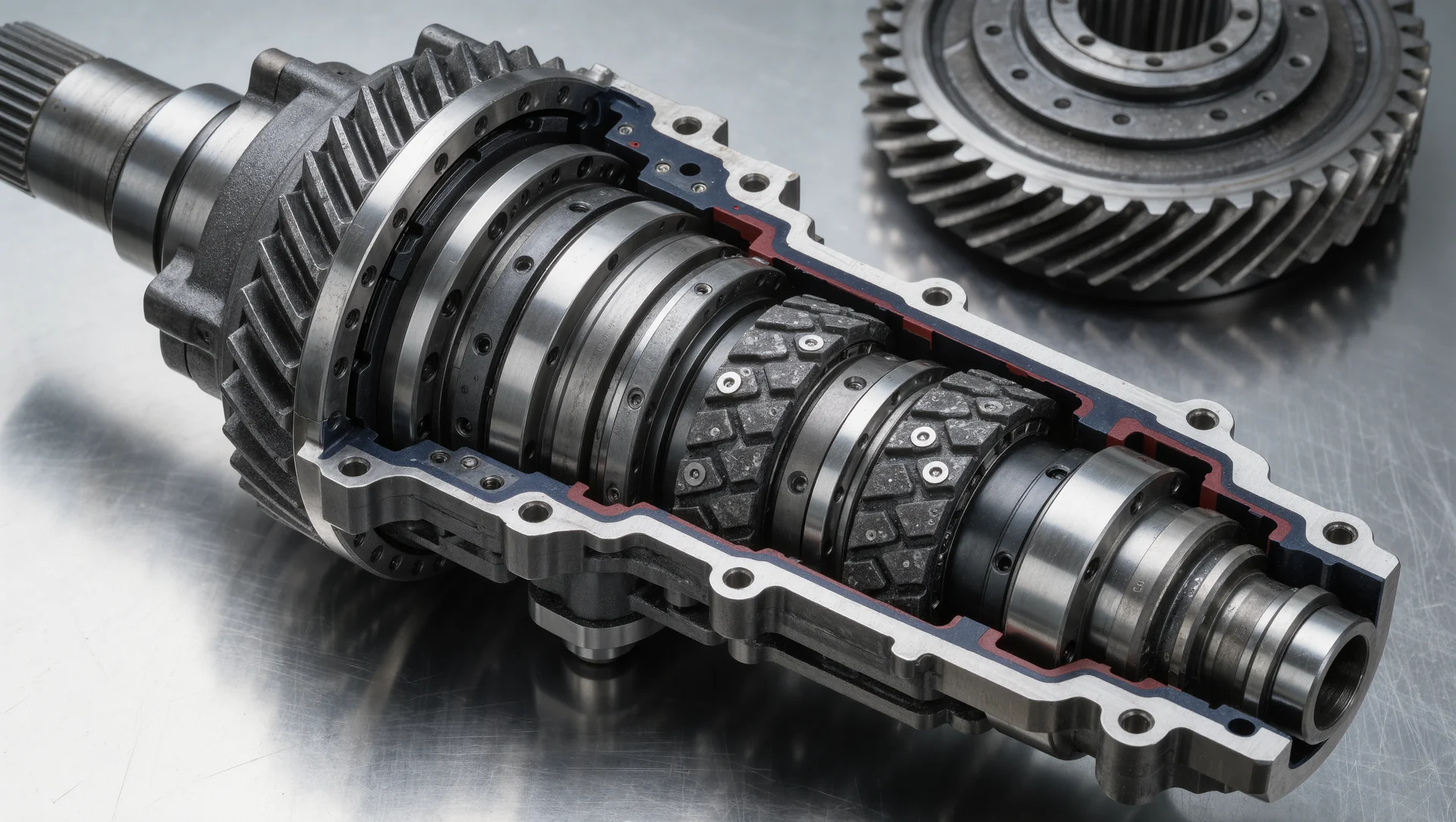
Differential settings: preload, power, coast
Differential settings explained: preload, power and coast, what each number does at which point of the corner and the published ranges behind them.
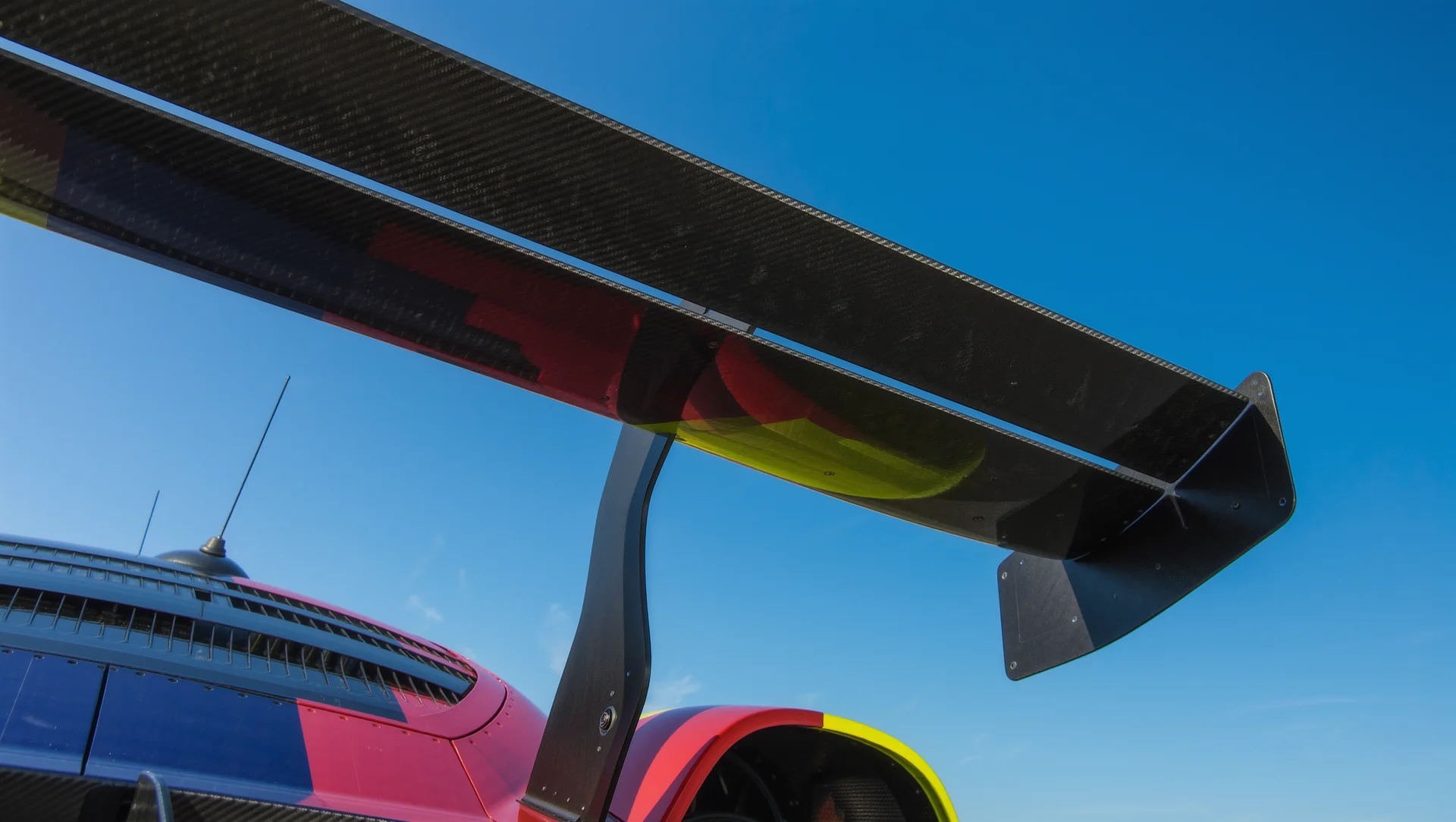
Downforce against drag: reading the track before you decide
Downforce against drag: how to read a circuit before deciding the wing, why the answer changes with the field and the arithmetic behind the trade.
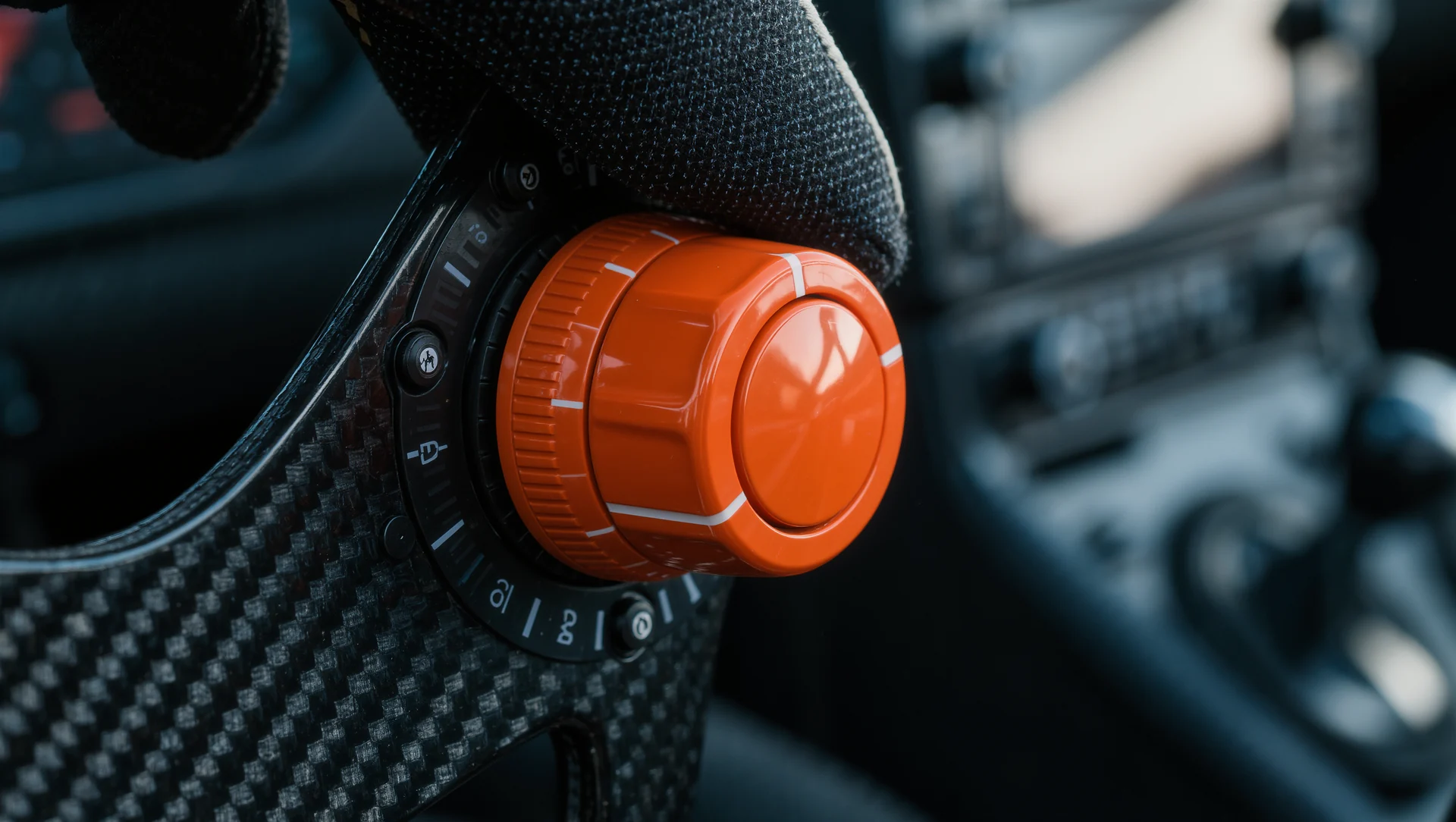
Brake bias: moving it during the lap, not before
Brake bias: what moving it forward and rearward actually does, why the best drivers move it during the lap and where the dangerous end of the range is.