Safety and skill ratings: what the numbers reward
How iRacing Safety Rating works: the 0.00 to 4.99 scale, the 3.00 and 4.00 promotion thresholds, the 0.40 bumper at whole numbers and the participation minimum.
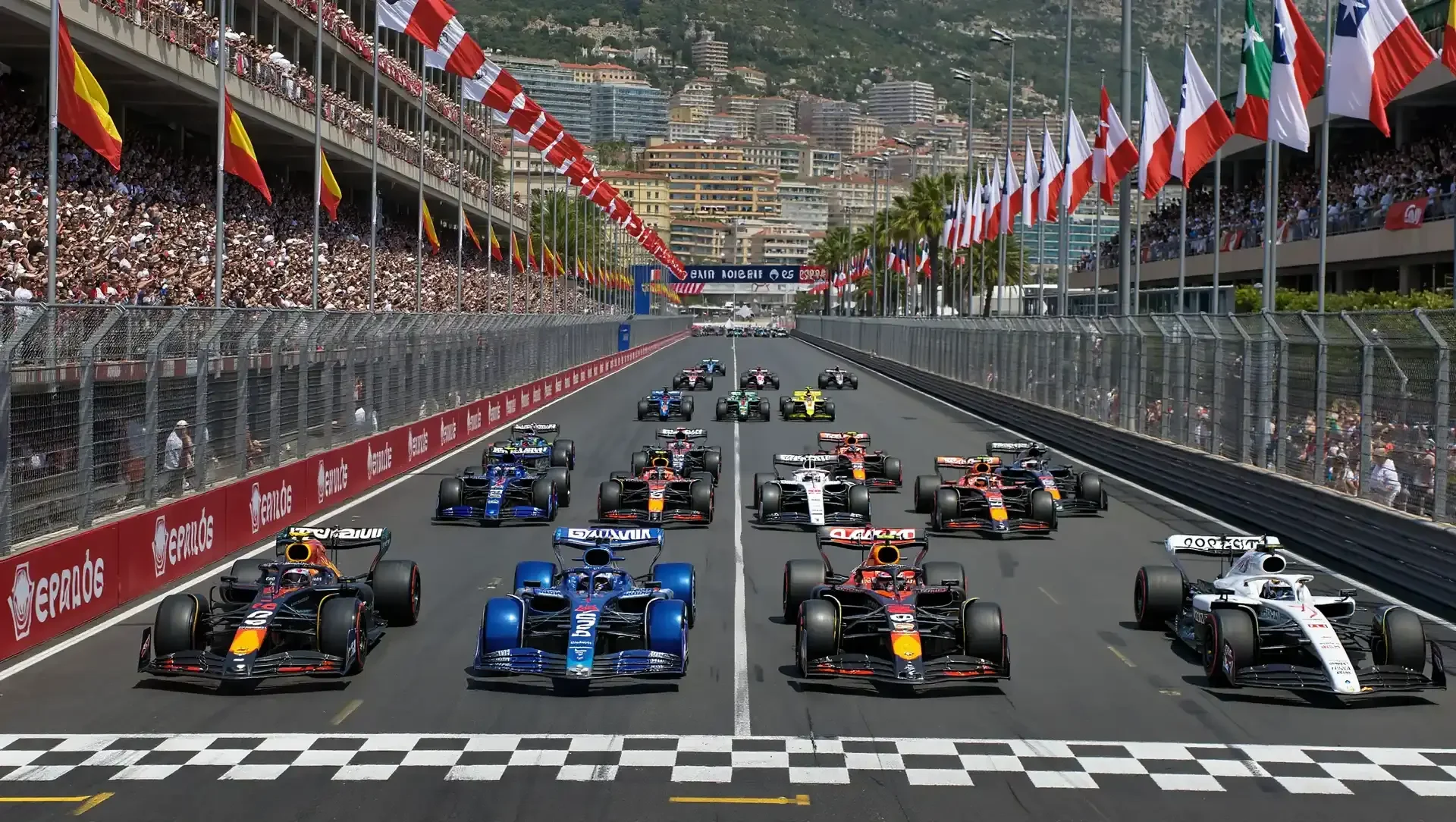
Safety Rating measures corners completed against incident points collected, runs from 0.00 to 4.99 per licence class and category, and decides promotion at 3.00 at season end or 4.00 at any time. It is not a judgement of who caused a crash. The software assesses incidents to everyone involved on a no fault basis.
What the number is actually counting
Safety Rating is a ratio, not a score. The formula weighs the number of corners a driver completes against the number and severity of the incident points collected in the process, averaged over a set number of laps and updated after every ranked session. Long clean stints raise it because they add corners; a single heavy incident lowers it because it adds points to the same fraction.
Every driver carries a separate rating for each licence class and each racing category, so an oval rating and a road rating move independently. Only ranked sessions count: ranked qualifying, ranked time trial, ranked warm up, practice inside a ranked race event and ranked races. A private league night or an unranked practice server changes nothing.
Incidents are assessed on a no fault basis to every driver involved, because the software does not try to establish blame. Where several incidents happen at once, only the most serious counts, so a spin that ends in contact is scored once at the higher value, not twice. Series usually carry an incident limit that disqualifies a driver on the spot, and the Sporting Code uses a limit of 17 as its worked example.
The thresholds that decide a season
Everyone starts as a Rookie with 2.50 in every category. From there the ladder runs through class D, C, B and A, with the Pro and World Championship licence above it, marked by a black stripe on the car, helmet and licence image.
Two routes lead upward. A season promotion needs at least 3.00 Safety Rating at the end of the season plus the minimum participation. A fast track promotion applies the moment a driver reaches 4.00 with participation met, without waiting for the season to close. Downward, 2.00 to 2.99 at season end keeps the class, below 2.00 costs a class, and anything below 1.00 at any moment demotes immediately, Pro Series included. After a demotion the rating is raised by roughly 1.00 to leave room to recover, and Rookie and class D drivers cannot be demoted at all.
One mechanic surprises almost every newcomer. Crossing a whole number adds another 0.40 in the direction of travel: 2.98 becomes 3.41 rather than 3.01, and the same jump applies downward. The bumper exists so that drivers do not hover on the eligibility line for events with a minimum rating.
| Value | Meaning |
|---|---|
| 0.00 to 4.99 | Scale, held separately per licence class and category |
| 2.50 | Starting rating for a new Rookie in every category |
| 3.00 | Minimum for a season promotion at the end of the season |
| 4.00 | Minimum for an immediate fast track promotion |
| 2.00 to 2.99 | Class is kept at season end, no promotion |
| Below 2.00 | Demotion at the end of the season |
| Below 1.00 | Immediate demotion at any point in the season |
| 0.40 | Bonus or penalty added when crossing a whole number |
| 1.00 | Approximate rating credit granted after a demotion |
| 17 | Incident limit used as the worked example in the Sporting Code |
Participation is the part people forget
Rating alone promotes nobody. Rookies need four ranked time trials or two ranked official races in the category; every class above that needs four ranked time trials or four ranked races, and those sessions must carry a minimum licence requirement no lower than the driver's current class. Racing down in an easier series does not count.
Participation also has a distance rule. A race counts only if the driver scores championship points and completes at least half the laps the winner completed, rounded down. In a race the winner finishes in 25 laps, that means 12 laps and no disqualification. Series that run outside the standard 13 week season structure do not count towards participation at all.
How to raise it on purpose
The fastest legitimate route is distance without incidents, which is why time trials are the recommended repair tool: they are ranked, they add corners and they carry almost no risk of contact. In race sessions the same logic favours finishing over fighting. A driver who lifts to avoid a four point contact keeps both the corners and the rating, and the position lost is usually one place.
Sources
Frequently asked questions
What is a good Safety Rating in iRacing?
Anything at or above 3.00 keeps you promotable at season end and opens most series that set a minimum. Above 4.00 you qualify for an immediate fast track promotion. The scale stops at 4.99, so a rating in the high fours means the licence class, not the safety record, is now the limit.
Does the game decide who caused an incident?
No. The Sporting Code states that incidents are assessed to all involved drivers individually on a no fault basis, because the software cannot establish blame. If several incidents happen at once, only the most serious value is counted.
Why did my Safety Rating jump by more than it should?
Because of the bumper at whole numbers. Crossing a whole number adds another 0.40 in the direction you crossed, so 2.98 becomes about 3.41. The same 0.40 is subtracted when you fall below a whole number.
Can I be demoted from Rookie or class D?
No. The Sporting Code exempts Rookie and class D holders from demotions of any kind. From class C upward, a rating below 2.00 at season end costs a class and below 1.00 demotes you immediately.
What is the fastest way to repair a damaged rating?
Ranked time trials. They count towards Safety Rating and towards the participation minimum, they add corners in volume and they carry almost no risk of contact. Four of them also satisfy the minimum participation requirement for a class promotion.
More in Esports & Competitions
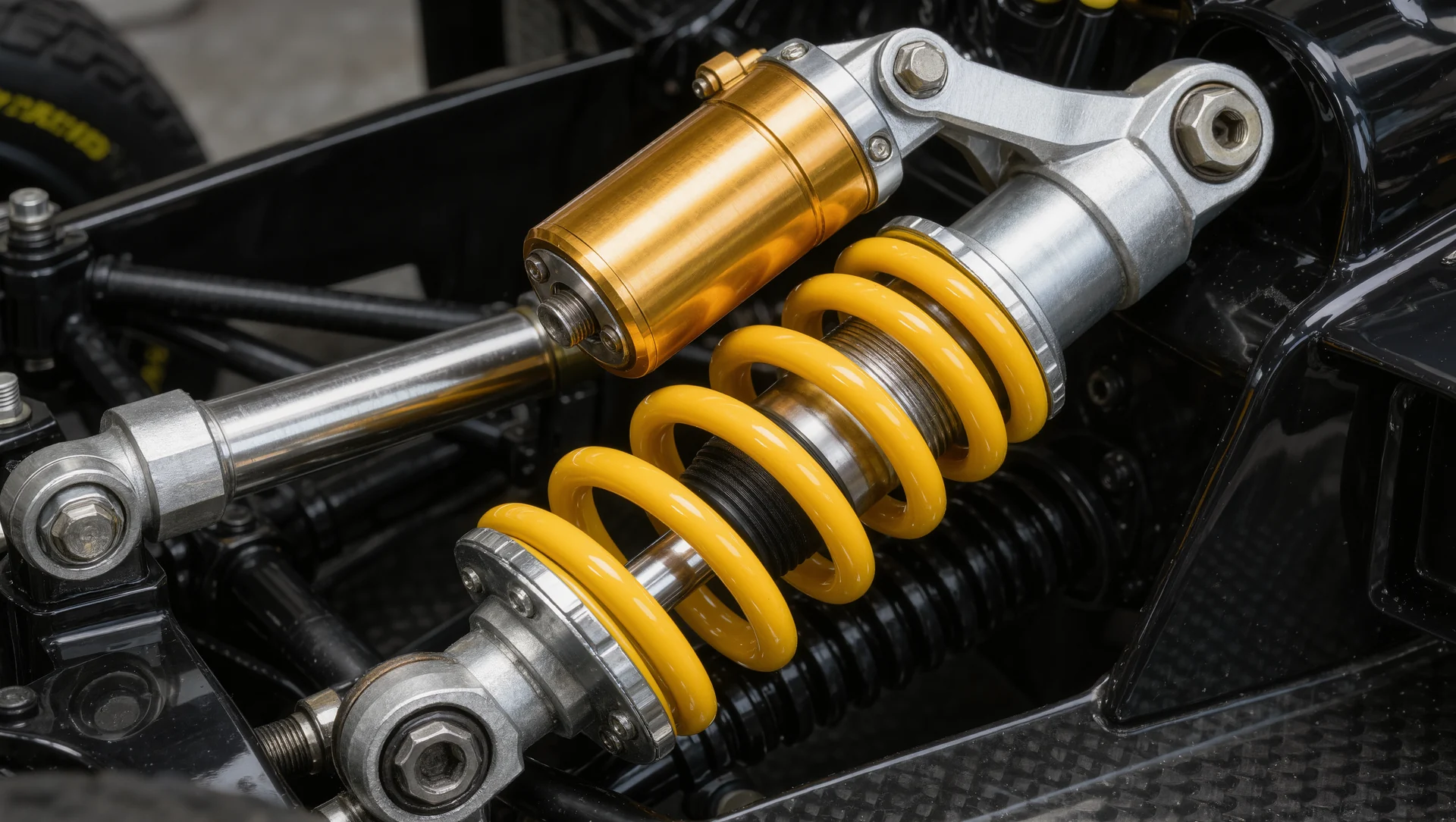
Springs and dampers: what each one actually controls
Springs and dampers: what each one actually controls, why they are not interchangeable and the order to change them in.
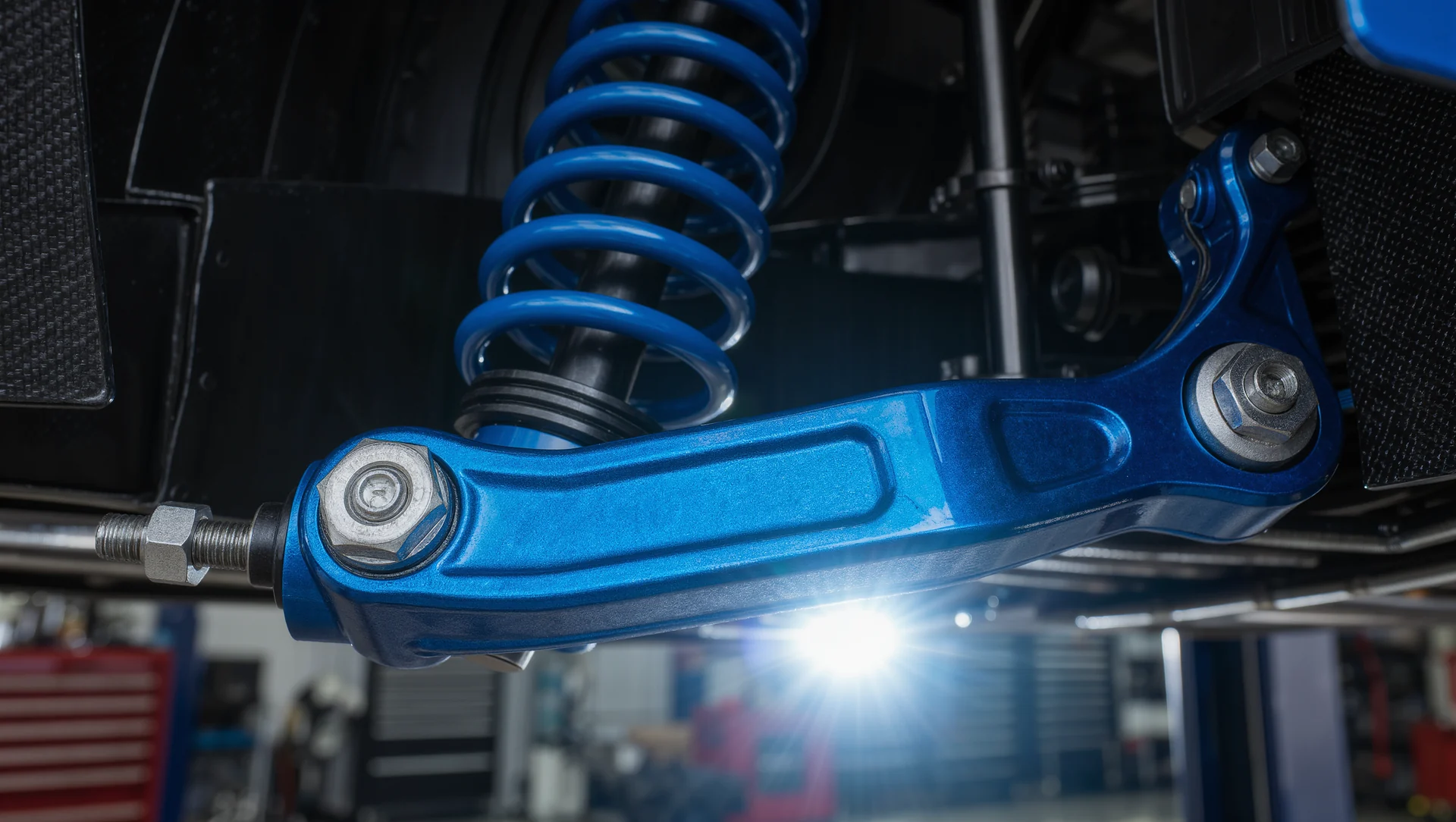
Anti roll bars: the fastest way to move the balance
Anti roll bars are the fastest way to move the balance: what each end does, the trap of stiffening both and how to tell roll oversteer from snap oversteer.
Camber and toe: grip now against tyre life later
Camber and toe: grip now against tyre life later, what each setting does at which point of the corner and how to read the tread temperatures that judge them.